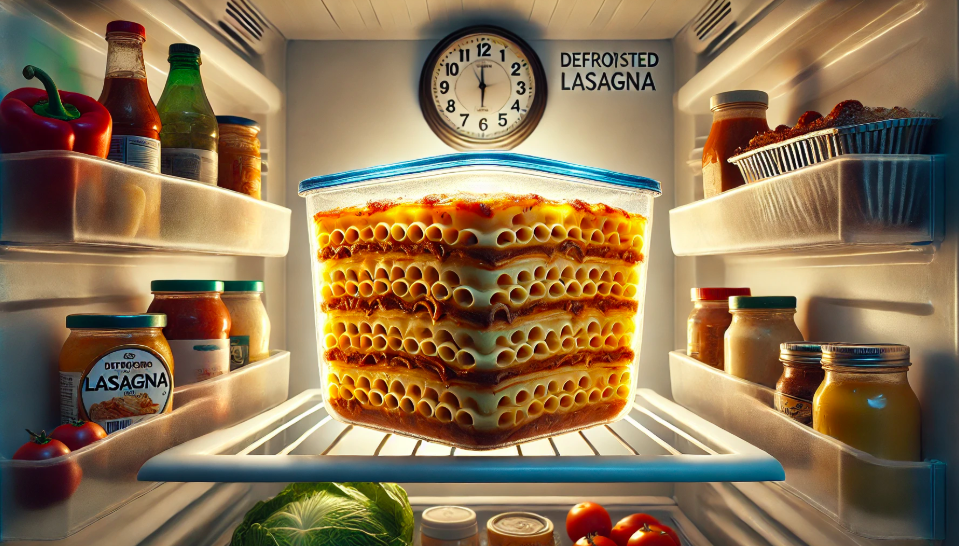
Defrosted lasagna can typically last in the fridge for about 3 to 5 days. After you’ve thawed it, it's important to store it in an airtight container or tightly wrapped to prevent contamination and preserve its quality. The exact time can vary depending on factors like the ingredients used, how well it was stored, and the fridge's temperature. To ensure it's still good to eat, check for any signs of spoilage, such as an off smell, changes in color, or mold growth. If you don't plan to eat it within a few days, it's best to freeze it again, though refreezing may affect the texture and taste.
Best Practices For Storing Defrosted Lasagna
When storing defrosted lasagna, it's important to follow proper food safety practices. First, if you’ve defrosted lasagna in the fridge or microwave, it should be placed back in the refrigerator immediately if you're not eating it right away. The fridge should be set at or below 40°F (4°C) to slow bacterial growth. To keep the lasagna fresh, store it in an airtight container or wrap it tightly with plastic wrap or aluminum foil to prevent moisture loss and keep other odors out. You can safely store defrosted lasagna in the fridge for up to 3 to 5 days. After this, it's best to discard it to avoid potential foodborne illness. It's also important not to refreeze lasagna once it has been defrosted, as repeated freezing and thawing can lead to bacterial growth and affect the dish’s quality. When reheating, ensure the lasagna is heated all the way through to at least 165°F (74°C) to ensure it's safe to eat. Lastly, if you plan to eat only part of the lasagna, take out the portion you want and return the rest to the fridge, as repeatedly opening the container can expose the entire dish to temperature changes.
How Long Can Defrosted Lasagna Stay In The Fridge?
Defrosted lasagna can stay in the fridge for 3 to 5 daysbefore it starts to spoil. This is based on guidelines from the USDA (United States Department of Agriculture) for handling and storing leftovers.
Important Points:
- Keep it covered: Store the lasagna in an airtight container or tightly wrap it in plastic wrap or foil to prevent it from drying out or absorbing odors from other foods.
- Reheat thoroughly: When you're ready to eat, make sure to reheat the lasagna to an internal temperature of 165°F (74°C) to ensure it’s safe.
- Don't refreeze: After thawing lasagna, it should not be refrozen unless it has been cooked first. Freezing and thawing multiple times can reduce its quality and safety.
For the best taste and safety, it's always best to eat defrosted lasagna within the 3-5 day window.
Can You Freeze Defrosted Lasagna Again?
You can technically refreeze defrosted lasagna, but it’s not recommended for food safety and quality reasons.
Food Safety Concerns:
When you defrost lasagna, it spends time in the "danger zone" between 40°F and 140°F (4°C - 60°C), which can allow bacteria to grow. If you refreeze the lasagna after it’s already been thawed, any bacteria that developed during the defrosting process may still be present. Refreezing it could lead to foodborne illness if it’s not handled properly.
Quality Issues:
Refreezing defrosted lasagna can also affect its texture and taste. The noodles might become mushy, and the sauce can separate. The cheese can lose its creamy texture, making the dish less enjoyable.
How To Reheat Defrosted Lasagna Safely
To reheat defrosted lasagna safely, follow these steps:
1. Check The Lasagna
Before reheating, make sure the lasagna has been fully defrosted if it was frozen. If it’s still partly frozen, it may not heat evenly, which can lead to food safety issues.
2. Use The Oven (Best Method)
Reheating lasagna in the oven helps maintain its texture.
- Preheat your oven to 375°F (190°C).
- Cover the lasagna with aluminum foil to keep it moist and prevent it from drying out.
- Heat it for about 25 minutes, or until it reaches an internal temperature of 165°F (74°C). You can use a food thermometer to check.
- If you prefer a crispy top, remove the foil for the last 5 minutes of heating.
3. Microwave Method (Quick But Less Even)
If you’re in a hurry, the microwave works too.
- Place a slice of lasagna on a microwave-safe plate.
- Cover it with a microwave-safe lid or another plate to keep moisture in.
- Microwave on high for 1 to 2 minutes, checking halfway through.
- Make sure it’s hot all the way through (again, it should reach 165°F/74°C inside). If it’s not, heat it for another 30 seconds to 1 minute.
4. Stovetop Method (For Small Portions)
If you're reheating a small portion, the stovetop can work well too:
- Put the lasagna in a skillet over low to medium heat.
- Cover the skillet with a lid and heat for about 5 to 10 minutes.
- Stir occasionally, but be careful not to break up the lasagna.
Factors Affecting The Freshness Of Defrosted Lasagna
Several factors influence the freshness of defrosted lasagna. First, proper storage temperature is essential: lasagna should be frozen at 0°F (-18°C) or lower to maintain its quality, and it should be thawed in the refrigerator to avoid bacterial growth. Thawing slowly in the fridge, typically overnight, is the best method to preserve the taste and texture, while quick thawing in the microwave can affect its quality. The initial quality of the lasagna before freezing also matters; fresh lasagna made with good ingredients will generally hold up better after being thawed. The type of lasagna can impact freshness as well, with meat lasagna, especially those with beef or pork, tending to dry out more than vegetarian versions. Creamy lasagnas made with ricotta or cheese may become soggy or watery if not stored properly. Packaging is another critical factor—airtight containers or tightly wrapped plastic and foil help protect against freezer burn, which can affect both flavor and texture. How the lasagna is reheated also plays a role; reheating in the oven is the best option, as it ensures even heating and helps maintain texture, whereas microwaving can lead to uneven heating and a loss of quality.
Signs That Defrosted Lasagna Has Gone Bad
When defrosted lasagna goes bad, it may show signs that it is no longer safe to eat. Here are some clear signs to look for:
1. Unusual Smell: Fresh lasagna should have a savory aroma. If it smells sour, rotten, or off in any way, it's a sign that it has spoiled.
2. Changes in Texture: If the lasagna becomes slimy or mushy, it's a sign that the pasta, sauce, or cheese has broken down due to bacterial growth.
3. Color Change: If the lasagna has an unusual color, such as dark spots or grayish areas, it could be a sign that bacteria are growing, or it has gone bad.
4. Mold Growth: If you see mold on the surface of the lasagna, it is no longer safe to eat. Mold can appear as green, white, or black spots.
5. Off Taste: If the lasagna tastes sour or strange when you bite into it, discard it immediately. This is one of the clearest signs that it is spoiled.