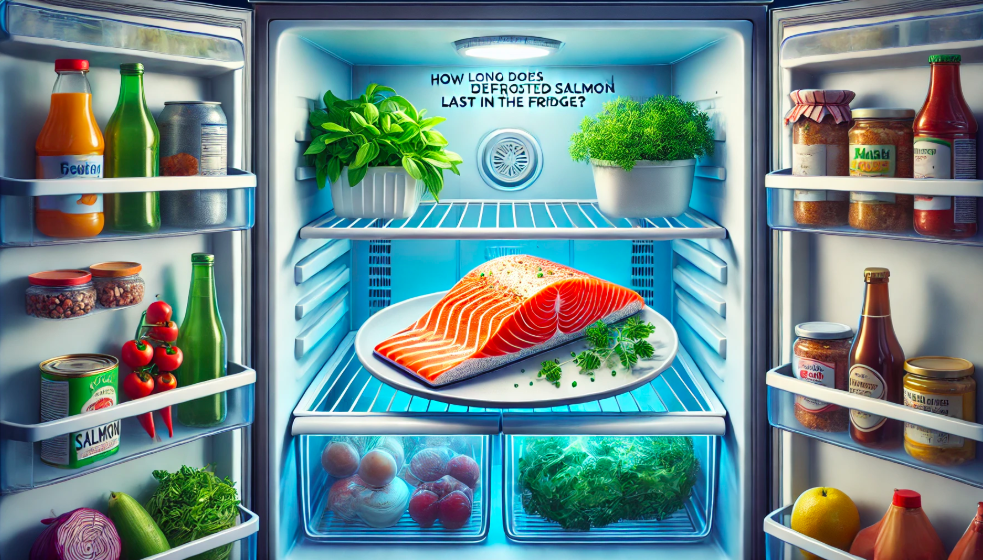
When defrosting salmon, it's important to follow proper food safety guidelines to ensure its freshness and safety for consumption. Once salmon has been thawed in the fridge, it can last for up to 2 days, provided that it has been stored properly. It's crucial to keep the refrigerator temperature at or below 40°F (4°C) to slow down bacterial growth and prevent the fish from spoiling. For best results, the salmon should be placed in the coldest part of the fridge to maintain its freshness.
If you’re unsure whether the salmon is still good to eat, it’s always best to check for signs of spoilage before consuming it. If the salmon has been left out at room temperature for more than two hours, it should be discarded, as bacteria multiply rapidly at higher temperatures. Proper storage techniques and observing the recommended time frame will help you enjoy your defrosted salmon while keeping food safety in mind.
Signs Of Spoiled Defrosted Salmon
There are several signs you can look for to determine if your defrosted salmon has gone bad. The first indicator is the appearance of the fish. Fresh salmon should have a bright, firm, and moist look. If the fish appears dull or grayish, or if there are dark spots on the surface, it's likely no longer fresh and may have spoiled. Additionally, spoiled salmon might have a dry, wrinkled texture, particularly around the edges.
The next sign to check is the texture of the fish. Fresh salmon feels firm and moist to the touch. If the fish feels slimy, sticky, or mushy, these are clear indications that it has started to spoil. Texture changes, especially if the flesh is soft and falls apart easily, suggest that the salmon is no longer safe to eat.
The smell is a very important factor. Fresh salmon has a mild, ocean-like scent, whereas spoiled salmon will have a strong, sour, or ammonia-like odor. If the fish smells unpleasant, it is no longer safe to consume and should be discarded immediately. Always rely on your senses to determine if the salmon is still good to eat before cooking or consuming it.
Storage Tips For Defrosted Salmon
Proper storage is essential to prolong the freshness of defrosted salmon and prevent spoilage. Here are some key storage tips:
- Refrigeration: Always store your defrosted salmon in the coldest part of the refrigerator. The temperature should be at or below 40°F (4°C). If you have a freezer compartment in your fridge, avoid storing it in that area, as the temperature may fluctuate. Keeping the salmon cold will help slow the growth of harmful bacteria, which could lead to foodborne illness.
- Packaging: Keep the salmon in its original packaging, or place it in an airtight container to prevent it from being exposed to air. If the salmon was in a vacuum-sealed package, it's best to leave it sealed until you're ready to use it. If you've already opened the package, ensure that the salmon is tightly wrapped in plastic wrap or aluminum foil to reduce exposure to air, which can lead to oxidation and spoilage.
- Separation: To prevent cross-contamination, store the salmon on a separate plate or in a shallow dish. Salmon has a strong odor, and keeping it isolated from other foods will prevent the spread of smells to other items in your refrigerator. Additionally, placing the fish on a separate plate will help catch any liquid that may leak out, keeping the fridge cleaner and preventing bacteria from contaminating other foods.
- Use within Two Days: As mentioned, defrosted salmon should ideally be consumed within two days of being thawed in the refrigerator. Beyond that, the risk of spoilage increases significantly, and the fish may no longer be safe to eat.
Can You Refreeze Defrosted Salmon?
Refreezing defrosted salmon is possible, but it can impact the texture and quality of the fish. If the salmon was thawed in the refrigerator and has been stored at a consistent temperature below 40°F (4°C), it can be safely refrozen. However, keep in mind that the texture may become softer and more watery once it’s been frozen and thawed a second time. This is due to the ice crystals that form during freezing, which can damage the cell structure of the fish.
It’s also important to note that refreezing should only occur if the salmon has not been left out at room temperature for more than two hours. If the fish has been improperly thawed or stored, refreezing it could pose a health risk. To maintain the best possible quality, it’s generally recommended to only thaw the amount of salmon you intend to use within a short time frame.
Factors Affecting The Shelf Life Of Defrosted Salmon
The shelf life of defrosted salmon depends on several factors, including the initial freshness of the fish, how it was stored before and after thawing, and the environmental conditions during storage. Here are the key factors that can influence how long defrosted salmon remains safe to eat:
- Initial Freshness: The quality of the salmon at the time of freezing plays a significant role in how long it lasts once thawed. Salmon that was already nearing its expiration date when frozen may spoil more quickly once defrosted, while high-quality, fresh salmon can last longer in the fridge.
- Thawing Method: Salmon should always be thawed in the refrigerator, not at room temperature. Thawing it in the refrigerator ensures that the fish remains at a safe temperature, reducing the risk of bacterial growth. If salmon is thawed too quickly in warm conditions, such as by leaving it on the counter, bacteria can multiply rapidly, and the fish may spoil more quickly.
- Storage Conditions: The way you store defrosted salmon in the fridge is crucial. Ensuring that your refrigerator is consistently kept at or below 40°F (4°C) will help maintain the fish's freshness for as long as possible. Storing it in airtight packaging will also protect the fish from contaminants and preserve its quality.
- Handling: How the salmon is handled during thawing, storage, and preparation can affect its shelf life. Always handle the fish with clean hands and utensils to avoid contamination. If the salmon comes into contact with surfaces or utensils that have not been properly cleaned, bacteria can be introduced to the fish, causing it to spoil more quickly.
How To Tell If Defrosted Salmon Is Still Good To Eat
Determining whether defrosted salmon is still safe to eat involves using your senses and examining its condition closely. Here's how to tell if the salmon is still good:
- Visual Inspection: Fresh salmon should have a bright, pinkish-orange color and firm flesh. If you notice that the salmon has become dull or has turned gray or brown, it may be spoiled. Additionally, if there are any dark spots or mold on the fish, it should not be eaten. A healthy, fresh piece of salmon should look vibrant and moist.
- Smell: One of the most important factors in determining whether defrosted salmon is still good is the smell. Fresh salmon has a mild, ocean-like scent, whereas spoiled salmon will have a strong, sour, or ammonia-like odor. If the fish has any unpleasant or overpowering smells, it’s best to discard it.
- Texture: Fresh salmon should feel firm and moist when touched. If the fish feels slimy, sticky, or mushy, it is likely no longer safe to eat. A slight firmness to the flesh indicates that the fish is still fresh, but if the texture has become soft or the fish flakes easily without resistance, it's a sign that it has spoiled.
- Expiration Date: Check the packaging for any expiration dates, especially if you purchased the salmon frozen and thawed it yourself. If the salmon is beyond its expiration date or if it has been stored for more than two days after thawing, it’s safer to discard it.