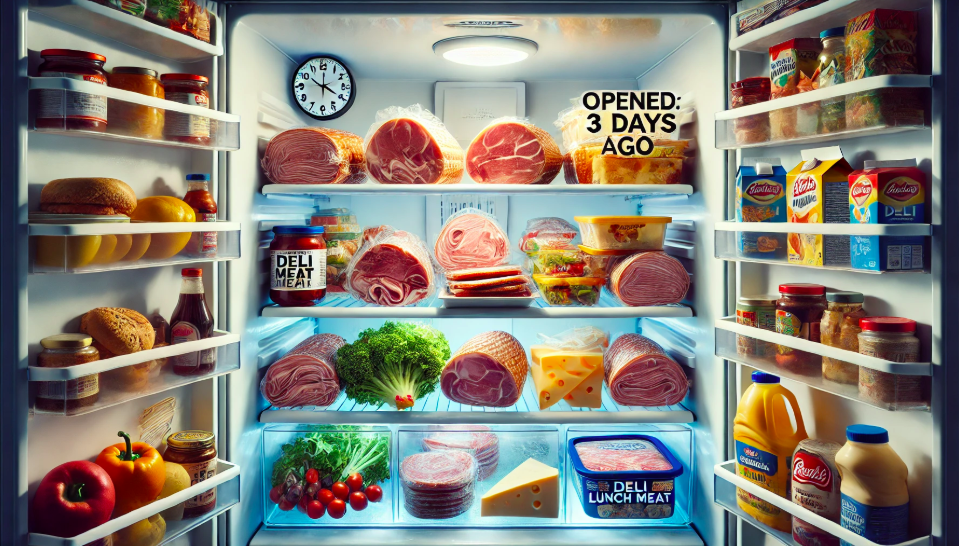
Deli lunch meat typically lasts 3 to 5 daysin the fridge after purchase, provided it’s stored properly. If the deli meat is pre-packaged, check the "use by" or "sell by" date on the packaging, as this can give you a general guideline. Once opened, it’s best to consume the meat within a few days to ensure optimal freshness. For homemade deli meat or meats from a deli counter, it’s recommended to consume them within 3 to 4 days. Always store deli lunch meat in an airtight container or tightly wrapped to prevent exposure to air, which can cause it to spoil more quickly. If the meat shows any signs of spoilage, such as a sour smell, slimy texture, or discoloration, it's best to discard it.
Understanding Deli Lunch Meat Shelf Life
Deli lunch meats, like ham, turkey, and salami, are convenient and tasty options for sandwiches and snacks. However, keeping them fresh for as long as possible requires knowing how long they last and how to store them properly. The shelf life of deli meats depends on various factors, such as the type of meat, whether it's pre-packaged or freshly sliced, and how it's stored. Proper handling and storage can help prevent foodborne illnesses and ensure you get the most out of your deli meats. This guide will explain how long deli lunch meats last, signs that they have gone bad, and tips for storing them safely.
How Long Does Deli Lunch Meat Last In The Fridge?
Here are some key tips for storing deli meat properly to keep it fresh longer:
1. Use airtight containers: If you’ve already opened the package, put the meat in an airtight container or wrap it tightly in plastic wrap or foil to prevent air exposure.
2. Check for signs of spoilage: Before eating deli meat, check for any changes in color (such as a grayish or slimy appearance) or smell. If it smells sour or looks off, it’s best to throw it away.
For deli meats like turkey, ham, roast beef, or salami, the general rule is to consume them within 3 to 5 days after opening. Freezing is also an option if you need to store it for longer. In the freezer, deli meat can last for 1 to 2 months, but the quality might not be as good once thawed.
Best Practices For Storing Deli Lunch Meat
Storing deli lunch meat properly is important to keep it fresh and safe to eat. Here are some best practices for storing deli lunch meat, backed by reliable sources like food safety experts:
1. Keep It Refrigerated
Deli meats should always be stored in the refrigerator at or below 40°F (4°C). Warm temperatures can encourage the growth of harmful bacteria, which can lead to foodborne illness.
2. Use Original Packaging Or Airtight Containers
If you buy deli meat pre-packaged, keep it in its original packaging. If it’s sliced fresh at the deli, transfer it to an airtight container or wrap it tightly with plastic wrap or aluminum foil. This helps prevent air exposure, which can cause the meat to dry out and lose flavor.
3. Use Within 3–5 Days
Deli meat has a shorter shelf life than some other meats. For the best taste and safety, try to use it within 3 to 5 days after purchase. If you can’t use it in that time, consider freezing it for later use.
4. Freeze If You Won’t Use It Soon
If you have extra deli meat that you won’t be able to eat within a few days, freezing is a good option. Wrap the meat tightly in plastic wrap or freezer paper, and place it in a freezer bag to prevent freezer burn. When you’re ready to use it, defrost in the refrigerator, not at room temperature.
Can You Freeze Deli Lunch Meat?
Yes, you can freeze deli lunch meat, but there are a few important things to consider to make sure it stays fresh and safe to eat.
Freezing Deli Meat: What You Need To Know
1. Type of Deli Meat:Deli meats like turkey, ham, roast beef, salami, and chicken can be frozen. However, some types freeze better than others. Lean meats like turkey or chicken often freeze better and maintain their flavor. Fatty meats or those with more preservatives, like salami, may not taste as good after freezing.
2. Packaging:When freezing deli meat, it’s important to wrap it tightly to avoid freezer burn. You can use plastic wrap, foil, or freezer bags. If you use a freezer bag, try to remove as much air as possible to keep the meat fresh.
3. Freezing Time:Deli meat can be frozen for up to 1-2 months. While it will be safe to eat after this period, the quality may decrease. The texture and taste may change after freezing for a long time, especially if it has a lot of moisture.
Key Tips:
- Freeze deli meat as soon as possible after buying it, especially if you don't plan to use it soon.
- If you bought deli meat in bulk, consider freezing it in smaller portions so you can defrost only what you need.
- Always check the expiration date before freezing. If the deli meat is close to its “use by” date, it's best to use it soon rather than freezing it.
Factors That Affect The Freshness Of Deli Lunch Meat
The freshness of deli lunch meat can be influenced by several key factors. These factors are important for ensuring the meat stays safe to eat and maintains its quality over time. Here are the main factors:
1.Exposure To Air
- The more airdeli meat is exposed to, the faster it can spoil. When meat is left open to the air, it can dry out, lose flavor, and become a breeding ground for bacteria. This is why it's important to store it in sealed containers or bags.
2. Shelf Life Of The Meat
- The ageof the deli meat when it is purchased affects how long it will stay fresh. Meat that is already close to its expiration date will spoil faster. Always check the sell-by and use-by dates before buying.
3. Cross-Contamination
- Deli meats can spoil faster if they come into contact with bacteriafrom other foods. For example, using the same knife or cutting board for raw meats and deli meat can introduce harmful bacteria. Proper hygiene and cleaning are essential.
4. Type Of Deli Meat
- The type of deli meat(like turkey, ham, or salami) can also affect its freshness. Some meats have preservatives, which help them last longer, while others may spoil quicker. For example, fresh turkey may not last as long as a processed meat like salami.
5. Humidity
- Humidityin the environment where the deli meat is stored can also affect freshness. If the meat is stored in a very humid environment, it can develop mold or other forms of bacteria. Keeping the meat in a dry, cold place helps preserve its quality.
6. Handling And Cutting
- How the deli meat is handledand cutcan affect its freshness. When you buy pre-sliced deli meat, each slice creates an exposed surface that may spoil more quickly. Meat that’s sliced at the store should be handled properly and stored quickly to maintain freshness.
By understanding and controlling these factors, you can help ensure that your deli lunch meat stays fresh and safe to eat for as long as possible.
Signs Deli Lunch Meat Has Gone Bad
Deli lunch meat, like turkey, ham, or roast beef, can go bad if it's not stored properly or if it's kept too long. Here are some clear signs that the deli lunch meat has spoiled:
1. Bad Smell
- Fresh deli meat has a mild, pleasant smell. If it starts to smell sour, rancid, or just off, it's a clear sign that the meat has gone bad.
2. Change In Color
- Fresh deli meat should look bright and appealing. If the meat turns gray, brown, or green, it’s a sign of spoilage. Some meats like turkey or chicken might show a slight change in color, but it should never look dull or discolored.
3. Slimy Texture
- Fresh deli meat is smooth and firm. If you notice a slimy or sticky film on the surface, it's a sign that bacteria may have started growing on it, meaning it's no longer safe to eat.
4. Off Taste
- If you take a small taste of the deli meat and it doesn’t taste right—like it's sour or unusually salty—it’s best to throw it out. Tasting bad is one of the clearest indicators that the meat is spoiled.
5. Excessive Moisture Or Dryness
- If the meat has too much liquid in the packaging or if it feels excessively dry, this could indicate that it’s past its prime. Fresh deli meat should have just the right amount of moisture, not too wet or too dry.
6. Visible Mold
- If you notice mold growing on the meat, it should definitely be discarded. Mold can appear as green or black spots and is a clear sign of contamination.