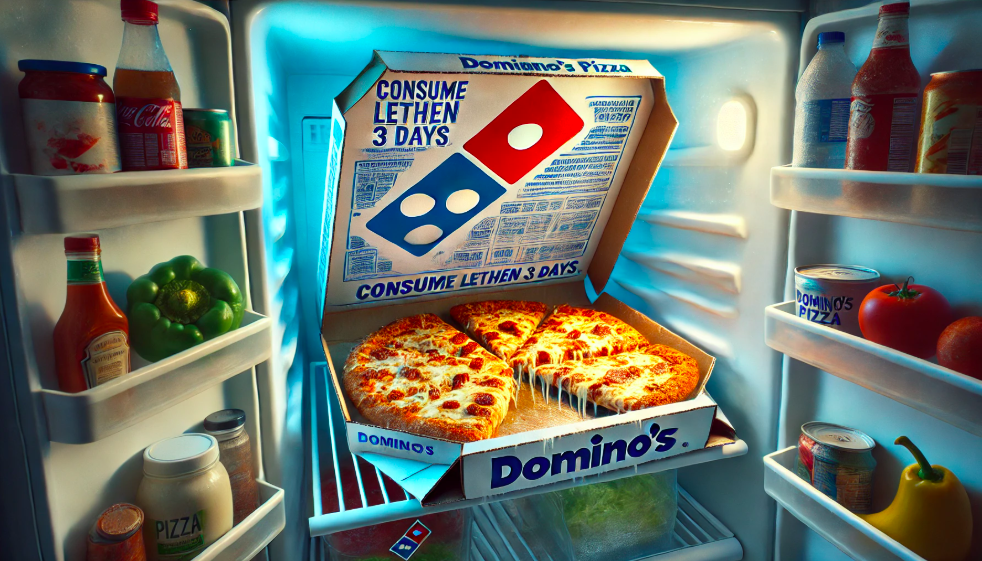
Leftover Domino's pizza can typically last in the refrigerator for 3 to 4 days if stored correctly. The U.S. Department of Agriculture (USDA) recommends this timeframe to ensure food safety. If pizza is left out at room temperature for more than two hours, it may no longer be safe to eat due to the rapid growth of bacteria in the "danger zone" between 40°F (4°C) and 140°F (60°C). Proper refrigeration halts bacterial growth, extending the pizza's edible life. It is critical to maintain your refrigerator at or below 40°F (4°C) to keep food safe.
Factors That Affect Domino's Food Freshness
1. Time Spent At Room Temperature
Pizza should not sit out for long after delivery or baking. Bacteria multiply quickly at temperatures between 40°F and 140°F. Leaving pizza out for over two hours can result in spoilage and unsafe consumption.
2. Toppings And Ingredients
The type of toppings on your pizza affects how long it stays fresh. Meat and dairy-based toppings, such as sausage, pepperoni, or extra cheese, are more perishable than vegetable toppings. These items spoil faster and may cause the entire pizza to go bad sooner.
3. Humidity Levels
High moisture content in the fridge can cause pizza crust to become soggy. This moisture may also lead to faster bacterial growth on the toppings.
4. Storage Method
Pizza stored in an airtight container or tightly wrapped will last longer than slices exposed to open air. Proper storage keeps the pizza fresher by reducing contact with air and other contaminants.
5. Refrigerator Temperature
A fridge set above 40°F (4°C) creates a favorable environment for bacteria, even if food is refrigerated. Ensuring proper temperature control is essential for extending freshness.
Proper Storage Tips For Domino’s Pizza And Leftovers
To keep your Domino's pizza fresh and safe for later, follow these steps:
1. Let The Pizza Cool
Before storing, allow the pizza to cool to room temperature. Storing hot food can raise the internal temperature of your refrigerator, affecting other items and encouraging bacterial growth.
2. Store In Airtight Packaging
Wrap individual slices in plastic wrap, aluminum foil, or use airtight containers. This prevents air exposure, which can dry out the crust and cause the toppings to lose freshness.
3. Use Storage Bags For Slices
Place wrapped slices in a zip-top freezer bag for additional protection. If you have multiple slices, ensure they are arranged flat to avoid crushing the toppings.
4. Avoid Stack Storage
Stacking slices on top of each other without separating them with wax paper or foil can lead to sticking and uneven refrigeration.
5. Refrigerate Promptly
Put the pizza in the fridge within two hours of delivery or cooking. Keeping food cold halts the growth of harmful bacteria and maintains freshness.
Signs That Your Domino’s Pizza Has Gone Bad
Eating spoiled pizza can lead to foodborne illnesses. Watch out for the following signs before eating leftovers:
1. Foul Smell
If the pizza smells sour, rancid, or off, it is a clear sign of bacterial or mold growth. Discard it immediately.
2. Visible Mold
Green, white, or black spots on the crust, cheese, or toppings indicate mold. Even small patches mean the entire pizza is unsafe to eat.
3. Discoloration
Changes in the color of cheese, sauce, or toppings, such as darkened or faded patches, often suggest spoilage.
4. Texture Changes
Pizza that has become excessively dry, soggy, or sticky is likely not fresh. This is particularly noticeable in the crust and cheese.
5. Slimy Or Gooey Toppings
If the toppings feel slimy or have developed an unusual consistency, it's a strong indicator of spoilage.
Can You Reheat Domino’s Pizza Safely?
Yes, reheating pizza is safe when done correctly, and it can revive its original flavors and texture. Follow these methods for safe and effective reheating:
1. Oven Method
The oven is ideal for reheating pizza. Preheat your oven to 375°F (190°C). Place the pizza on a baking sheet, and heat it for 10-15 minutes. This method ensures the crust stays crispy while the cheese melts evenly.
2. Microwave Method
Place a slice on a microwave-safe plate with a cup of water nearby to prevent the crust from becoming chewy. Heat for 30-60 seconds at medium power. While convenient, this method can make the crust soft.
3. Skillet Method
Heat a non-stick skillet over low heat. Place the pizza slice in the skillet, cover it with a lid, and allow it to warm for 5-8 minutes. This method crisps the crust and keeps the toppings warm.
4. Air Fryer
Using an air fryer can restore a crispy crust. Heat the pizza for 3-4 minutes at 350°F (175°C).
What Happens If You Eat Expired Domino’s Pizza?
Eating expired or spoiled Domino's pizza can pose health risks. When food is stored past the recommended 3-4 days, bacteria such as Salmonella or E. coli can grow on the crust, sauce, cheese, or toppings. Common symptoms of foodborne illnesses include:
Fever
Abdominal cramps
Diarrhea
Vomiting
Nausea
The severity of symptoms depends on the level of bacterial contamination and your immune system. To avoid health risks, discard pizza if it shows signs of spoilage or has been stored beyond 4 days.
Freezing Domino’s Pizza For Extended Storage
If you don’t plan to eat your leftover pizza within 3-4 days, freezing is an excellent option to extend its shelf life. Properly stored frozen pizza can last 1-2 months without significant loss of quality.
1. Cool The Pizza
Allow the pizza to cool to room temperature before freezing. This prevents condensation from forming, which can cause ice crystals.
2. Wrap Individual Slices
Wrap each slice in plastic wrap or aluminum foil. This ensures the slices don’t stick together and protects them from freezer burn.
3. Use Freezer-Safe Containers
Place the wrapped slices in a freezer-safe bag or airtight container. Squeeze out as much air as possible to preserve freshness.
4. Label And Date
Clearly label the package with the current date. This helps you keep track of how long the pizza has been in the freezer.
5. Reheating Frozen Pizza
When ready to eat, thaw the pizza in the refrigerator for several hours or overnight. Reheat using the oven or skillet method for the best results.