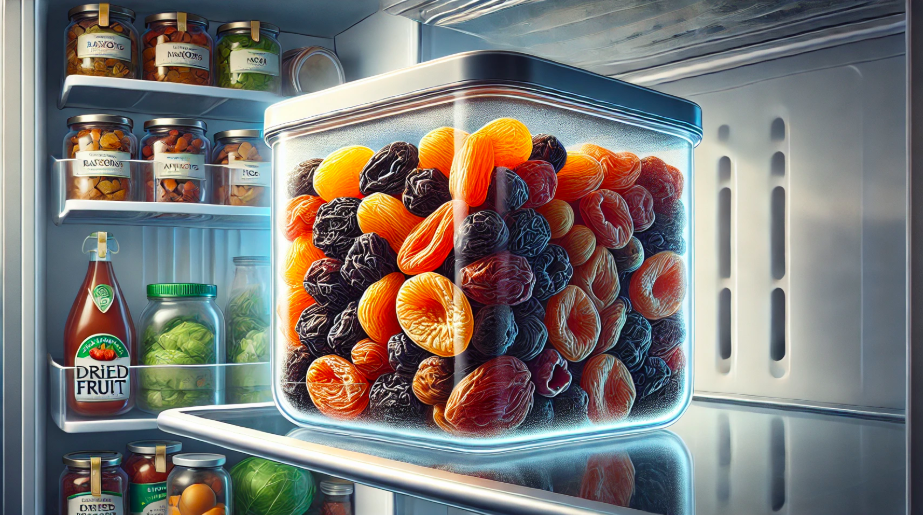
Dried fruit can typically last in the fridge for about 6 to 12 months, depending on the type of fruit and how it’s stored. While dried fruit has a longer shelf life than fresh fruit, refrigeration helps maintain its texture, flavor, and nutritional value for an extended period. For optimal freshness, it's best to store dried fruit in an airtight container or resealable bag to prevent moisture from affecting its quality. If dried fruit is exposed to air or humidity, it may spoil more quickly, developing mold or a rancid smell. While it won't "expire" immediately after the 12-month mark, the flavor and texture may begin to degrade, so it’s a good idea to consume it within this timeframe for the best quality.
How Long Does Dried Fruit Last In The Fridge?
Dried fruit can last between 6 months to a year in the fridge if stored correctly. To maximize its shelf life, it's important to keep it in an airtight container or resealable bag to protect it from moisture and prevent it from absorbing odors from other foods. Storing dried fruit in a cool, dry place in the fridge is essential, as excess moisture can cause mold or spoilage. If the dried fruit starts to have an off smell, shows visible mold, or becomes unusually soft or mushy, these are signs that it may have gone bad. For even longer storage, dried fruit can be frozen, which can extend its shelf life to 1 or 2 years when properly sealed. Always check for any signs of spoilage before eating, and follow proper storage practices to ensure the fruit stays fresh.
Best Practices For Storing Dried Fruit In The Fridge
To store dried fruit in the fridge properly, it's essential to use airtight containers to protect it from moisture and odors. Glass jars, plastic containers, or resealable plastic bags work well for this purpose. Before storing, ensure that the dried fruit is dry and free of moisture, as any dampness can lead to mold growth. It’s also a good idea to label the container with the date it was stored, as dried fruit is best consumed within a few months for optimal taste and texture. Store the containers in a cool, dry part of the fridge, away from areas that experience temperature fluctuations. Avoid mixing different types of dried fruit in the same container to prevent flavor cross-contamination. If you have a large quantity of dried fruit, you can freeze it to extend its shelf life, but make sure it’s in a vacuum-sealed bag or airtight container to avoid freezer burn.
How To Extend The Shelf Life Of Dried Fruit
To extend the shelf life of dried fruit, it's important to focus on storage methods, proper handling, and maintaining the right environment. Here are some key points to help preserve dried fruit for a longer time:
1. Store In A Cool, Dry Place
- Temperature:Keep dried fruit in a cool environment. A temperature range between 50°F and 60°F (10°C to 15°C) is ideal. Avoid storing it in warm or humid places, like near stoves or windows.
- Humidity:Moisture is the enemy of dried fruit. Make sure the storage area has low humidity. A dry environment helps prevent mold and spoilage.
2.Refrigeration Or Freezing
- Refrigerate:If you're not planning to use the dried fruit within a few months, consider refrigerating it. This slows down any potential spoilage from heat or moisture.
- Freezing:For very long-term storage, freezing dried fruit is an option. Properly packed and sealed, dried fruit can last up to a year or more in the freezer. When you're ready to use it, thaw it in the refrigerator to prevent condensation.
3. Avoid Exposure To Light
- Light can degrade the quality of dried fruit over time. Store dried fruit in dark containers or in a cupboard to protect it from direct sunlight, which can cause loss of flavor and nutrients.
4. Check For Moisture And Signs Of Spoilage
- Moisture:If dried fruit feels soft or moist to the touch, it's likely been exposed to too much moisture. This can lead to mold growth and spoilage. Always check before eating and discard any fruit that shows signs of mold or off smells.
- Seal Properly:Make sure that packaging is properly sealed after each use. If the seal is broken, the fruit can absorb moisture and air, which will reduce its shelf life.
5. Use Food Preservatives (Optional)
- Some dried fruits, like apricots or raisins, may benefit from being treated with preservatives like sulfur dioxide. These can help maintain color and prevent spoilage, although they are not always necessary for every type of dried fruit.
- Organic Options:If you prefer not to use chemical preservatives, opt for dried fruit that is naturally preserved without additives.
Factors Affecting The Longevity Of Dried Fruit
The longevity of dried fruit depends on several factors that can affect its shelf life. These factors determine how long dried fruit stays fresh and safe to eat. Below are the key elements that influence dried fruit longevity:
1.Type Of Fruit
- Different types of fruit have different shelf lives. For instance, apples and apricots may last longer than berries or tropical fruits, due to the higher sugar content and lower moisture in some dried fruits. Fruits with higher moisture content tend to spoil quicker.
2.Quality Of The Fruit Before Drying
- The condition of the fruit before drying plays a major role in its shelf life. Fresh, high-quality fruit tends to last longer after drying compared to overripe or damaged fruit, which may not preserve as well.
3. Oxygen Exposure (Oxidation)
- Oxidation occurs when dried fruit is exposed to oxygen over time. This process can affect the fruit's color, texture, and nutritional value. To reduce oxidation, storing dried fruit in an airtight container can slow down this process.
4.Storage Location
- Storing dried fruit in a pantry or cupboard that is cool, dry, and away from heat sources can help extend its shelf life. Some fruits may last longer when stored in the refrigerator or freezer.
Signs That Dried Fruit Has Gone Bad
Dried fruit can go bad over time, and it's important to know the signs so you can avoid eating spoiled fruit. Here are common indicators that dried fruit has gone bad, based on trusted sources like food safety guidelines:
1. Off Or Sour Smell
If dried fruit develops a strange or sour odor, it may be a sign of spoilage. Fresh dried fruit should have a sweet or neutral smell, but when it turns bad, it can start to smell fermented or unpleasant.
2. Changes In Color
Dried fruit can lose its vibrant color as it ages. For example, raisins might turn dark brown, or apricots can become more faded. While this may not always mean it's spoiled, if the color change is extreme or it looks discolored, it’s better not to eat it.
3. Visible Mold
If you see any mold growing on the fruit, it’s definitely time to throw it out. Mold can appear as fuzzy, green, or white spots. Mold growth is a sign that the fruit has been exposed to moisture or air for too long.
4. Off Taste
Spoiled dried fruit can develop a bad taste. It might taste sour, bitter, or have a chemical-like flavor. If the dried fruit tastes strange or unpleasant, it’s best not to eat it.
5. Hard Or Too Dry Texture
Dried fruit can become excessively dry or too tough to chew if stored improperly. While dried fruit should be somewhat chewy, if it turns into something hard or crunchy, it might not be good anymore.