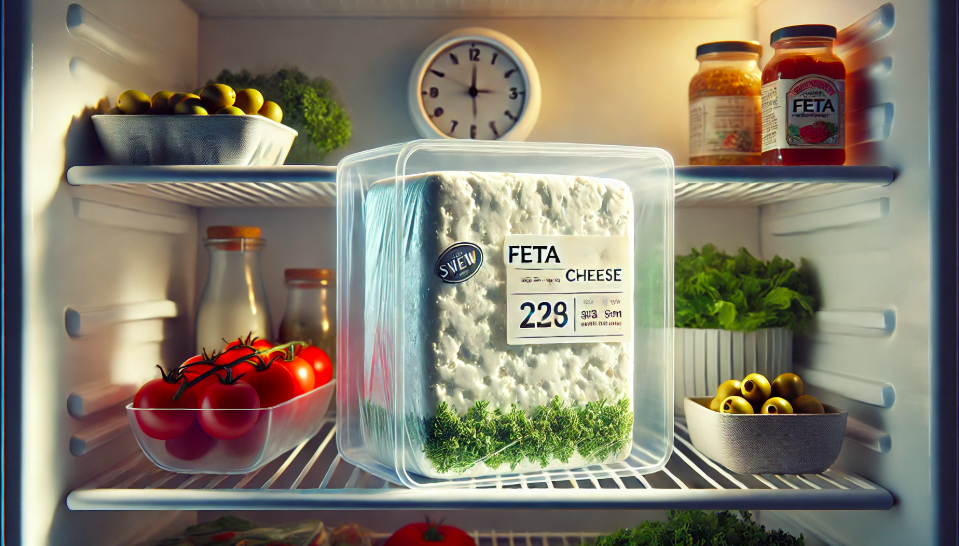
Feta cheese can last in the fridge for about 1 week to 1 month, depending on how it’s stored. Unopened feta, when kept in its original packaging and stored in the fridge, can last until the "use by" or "sell by" date on the package, typically about a month after purchase. Once opened, feta should be consumed within 1 to 2 weeks for the best flavor and safety. To preserve its freshness, it's important to store opened feta in an airtight container to prevent it from absorbing other odors or drying out. If the feta is stored in brine, a salty liquid that helps preserve it, it can last longer—about 3 to 4 weeks—as long as the feta remains fully submerged in the brine and is kept refrigerated.
Feta Cheese And Its Shelf Life
Feta cheese is a popular cheese that comes from Greece. It is made from sheep's milk or a mix of sheep and goat's milk. Feta has a crumbly texture and a tangy, salty flavor. It’s often used in salads, sandwiches, and Mediterranean dishes.
Like many cheeses, feta doesn’t last forever. Its shelf life depends on how it’s stored and whether it’s opened or still sealed. If kept in the fridge, feta cheese can stay fresh for a longer time, but it can still spoil over time, especially if not stored properly. Feta is typically sold in brine, which helps preserve it by keeping moisture around the cheese. However, once it is opened, the shelf life decreases.
Understanding how to store feta cheese properly and how long it lasts can help prevent waste and ensure that it stays safe to eat. By keeping it in an airtight container and refrigerated, feta cheese can last several weeks, but like all dairy, it’s best to check for any signs of spoilage.
Signs That Feta Has Gone Bad
Unpleasant SmellFeta should have a tangy, slightly salty aroma. If it smells sour, rancid, or off, it's a sign it has spoiled.
Changes in ColorFresh feta is usually white or off-white. If it starts turning yellow, brown, or has any mold on it, it's no longer safe to eat.
Slimy TextureFeta cheese should be crumbly and firm. If it becomes slimy or sticky, it has likely gone bad.
Sour or Bitter Taste Feta has a distinct, salty flavor. If it tastes overly sour or bitter, it’s a clear sign it has spoiled.
Excessive LiquidIf feta is stored in brine, there should still be enough liquid to cover it. If the liquid is mostly gone or if there’s excess liquid with a strange smell, the cheese is likely spoiled.
Mold GrowthFeta should not have mold. If you see fuzzy spots or discoloration, it’s time to throw it out.
Factors Affecting Feta Cheese’s Freshness
Feta cheese, a popular brined cheese, is known for its tangy flavor and crumbly texture. Its freshness can be affected by several factors, which can influence its taste, texture, and shelf life. Here are the key factors that affect feta cheese's freshness:
1. Storage Conditions
- Temperature: Feta cheese needs to be stored in a cool environment. Ideally, it should be kept in the refrigerator at temperatures between 35-40°F (1.6-4.4°C). Storing feta at warmer temperatures can cause it to spoil more quickly.
- Moisture: Feta cheese is typically stored in brine, which helps preserve its freshness. If the cheese is removed from the brine, it can dry out and lose its texture. The brine should be kept fresh and covered to prevent contamination.
2. Exposure To Air
When feta cheese is exposed to air, it can dry out and lose its original flavor. Air exposure can also cause the cheese to become rancid more quickly. To keep feta fresh, it should be kept tightly wrapped or in a sealed container, and ideally stored in brine.
3. Shelf Life And Expiration Date
Like most dairy products, feta cheese has a limited shelf life. It’s important to check the expiration date on the packaging to ensure it is still fresh. Even if the cheese is stored properly, its freshness will decline over time.
4. Quality Of Milk
The quality of the milk used to make feta cheese plays a significant role in its freshness. High-quality milk will result in a fresher, more flavorful cheese. Feta made from sheep’s milk typically has a richer taste and can last longer compared to those made from cow’s milk.
5. Packaging
Feta cheese is often packaged in vacuum-sealed containers or jars with brine. The packaging helps to protect the cheese from bacteria and molds. If the packaging is compromised, it may allow bacteria to enter, which can shorten the cheese’s freshness.
6. Salt Content
The amount of salt in feta cheese can also impact its shelf life. Salt acts as a preservative, helping to slow down the growth of bacteria. A higher salt content can keep feta fresh for a longer period, but too much salt may affect the flavor.
7. Contamination
Cross-contamination can happen if feta cheese is handled improperly or comes into contact with unsanitary surfaces or utensils. Always ensure hands and utensils are clean when handling feta to avoid introducing bacteria that can cause spoilage.
How To Store Feta Cheese For Maximum Freshness
Here’s a simple guide on how to store feta cheese for maximum freshness, based on reliable sources:
1. Keep Feta Cheese In Its Brine
Feta cheese is best stored in its original brine (the salty liquid it comes in) to keep it fresh and flavorful for longer.
2. Use An Airtight Container
If you’ve removed feta from its original packaging, place it in an airtight container. This helps maintain its moisture and prevents it from absorbing other odors in the fridge.
3. Store It In The Refrigerator
Feta should always be kept in the fridge. Keeping it at a cool temperature slows down bacteria growth and preserves its taste.
4. Change The Brine (Optional)
If the brine gets cloudy or if you plan to keep feta for a longer period, you can replace it with a fresh batch of brine made from water and salt.
5. Freeze For Long-Term Storage (If Necessary)
Though not ideal for preserving texture, you can freeze feta for up to 3 months if you need to store it for an extended time. Be sure to drain it before freezing.
6. Use Clean Utensils
Always use clean utensils when handling feta to avoid contamination, which can affect its shelf life.
7. Consume Within The Recommended Time
For the best flavor and quality, consume feta cheese within a few weeks of opening, depending on storage conditions.
Can You Freeze Feta Cheese?
Yes, you can freeze feta cheese, but there are some important things to know before doing so.
Freezing Feta Cheese
Feta cheese can be frozen, but freezing may change its texture. It can become crumblier after thawing, which means it may not be ideal for using in dishes where you want a smooth texture. However, it will still taste fine and can be used in recipes where it will be crumbled or melted.
How To Freeze Feta Cheese
- Wrap it properly: If the feta is in a block, wrap it tightly in plastic wrap or wax paper to prevent freezer burn. Then, place it in a freezer-safe bag or airtight container.
- For crumbled feta: If you have crumbled feta, you can freeze it in a similar way by placing it in a freezer bag or airtight container. It’s a good idea to divide it into portions to make it easier to use later.
- Label the date: Write the date on the package so you know when to use it by. Feta cheese is best used within 3 months of freezing.
Thawing Feta Cheese
To thaw frozen feta, place it in the fridge for a few hours or overnight. If you need to use it quickly, you can thaw it at room temperature, but avoid thawing it in the microwave because it can affect the texture.
Best Uses For Frozen Feta
Frozen feta is best used in cooked dishes, like casseroles, salads, or baked goods, where the texture change won’t be as noticeable. If you’re making a cold dish like a salad, consider using fresh feta instead, since frozen feta may not be as enjoyable in that context.
Best Practices For Extending Feta’s Shelf Life
Here are the best practices for extending feta cheese's shelf life, based on trusted food safety guidelines and expert advice:
1. Store Feta In Its Brine
Feta cheese is typically stored in brine (saltwater solution) to maintain its freshness and prevent spoilage. Keep it submerged in brine in an airtight container. If you bought feta that isn’t in brine, transfer it to a jar or container with enough saltwater to cover the cheese. This helps maintain its texture and flavor.
2. Keep It Refrigerated
Always store feta cheese in the refrigerator. The cold temperature slows down the growth of bacteria and mold, keeping the cheese safe to eat for longer. Never leave feta out at room temperature for extended periods.
3. Use An Airtight Container
If you’re not keeping feta in its original packaging, store it in a well-sealed container. This prevents exposure to air, which can cause the cheese to dry out and lose its flavor.
4. Check For Signs Of Spoilage Regularly
Feta is a perishable product, so check it regularly for any signs of spoilage. These can include changes in color (e.g., yellowing), mold growth, or a sour, unpleasant smell. If any of these signs are present, discard the cheese.
5. Don’t Overhandle The Cheese
The more you handle feta cheese, the higher the chance of contamination. Use clean utensils when cutting or serving the cheese. This minimizes the risk of introducing bacteria that could shorten its shelf life.
6. Freeze Feta For Long-Term Storage
While freezing changes the texture of feta, it can still be used in cooked dishes. To freeze feta, wrap it tightly in plastic wrap or aluminum foil, and then place it in a freezer-safe bag or container. Thaw frozen feta in the refrigerator before using it.
7. Use A Clean Knife And Utensils
When cutting feta cheese, always use a clean knife to prevent bacteria from being transferred onto the cheese. Similarly, ensure that any utensils or containers that come into contact with the cheese are thoroughly cleaned.
Conclusion: Keeping Feta Fresh In Your Fridge
To keep feta cheese fresh for as long as possible, it's important to store it properly. Always keep it in the original brine or, if that’s not available, in a container with a mixture of water and salt. This helps prevent the cheese from drying out and keeps it flavorful.
When storing feta, make sure it is in an airtight container to protect it from other strong odors in the fridge. If you don’t have brine, you can also use olive oil, which not only preserves the cheese but also adds flavor.
If the feta has been opened, it’s best to consume it within a week or two for the best taste and texture. Always check for signs of spoilage like mold or an off smell before using it. By following these simple steps, you can enjoy fresh feta for longer.