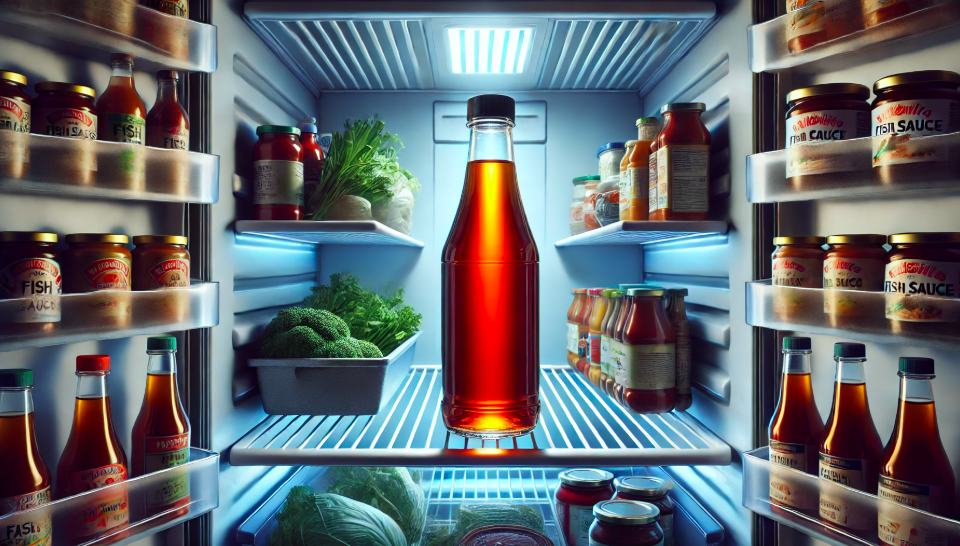
Fish sauce can last a long time in the fridge. When stored properly, it can stay good for 1 to 3 years after opening. While it doesn’t spoil quickly due to its high salt content, its quality and flavor may decrease over time.
To keep fish sauce at its best, make sure it is tightly sealed and stored in a cool, dark place in the fridge. If the sauce has an off smell, unusual color, or visible mold, it is best to throw it away. But as long as it’s stored correctly, fish sauce can maintain its flavor and safety for a long time.
Signs That Fish Sauce Has Gone Bad
1. Change In Smell
Fish sauce has a very strong, salty smell when fresh. If it starts to smell sour, rancid, or off in any way, it might be bad. A foul or unpleasant odor is a sign it’s no longer good to use.
2. Color Changes
Fish sauce is usually a deep amber or brown color. If it becomes cloudy or the color turns darker or different than usual, it could be a sign of spoilage.
3. Off Taste
If the fish sauce tastes different than normal, like sour or unpleasant, it’s a good indication it’s gone bad. Fish sauce should taste salty and savory, not sour or rancid.
4. Mold Or Floaters
If you see mold growing on the surface or any unusual particles floating inside the bottle, discard it. These are signs of contamination and spoilage.
5. Expired Date
While fish sauce doesn’t spoil quickly due to its high salt content, it does have an expiration date. If it’s past that date, it’s safer to check for the signs listed above before using it.
6. Separation Or Strange Texture
Some separation of ingredients can happen over time, but if the sauce appears thick, gel-like, or has an unusual texture, it may have gone bad.
7. Broken Seal Or Leaks
If the seal on the bottle is broken or the bottle is leaking, the fish sauce may have been exposed to air and bacteria, making it more likely to spoil.
Best Practices For Storing Fish Sauce
1. Keep It In A Cool, Dry Place
Fish sauce should be stored in a cool, dry place, away from direct sunlight. A kitchen cupboard or pantry is ideal. Heat and sunlight can affect the flavor and cause it to spoil faster.
2. Tightly Seal The Bottle
After each use, make sure to close the bottle tightly. This helps keep out air, which can make the fish sauce lose its freshness or develop off-flavors.
3. Refrigeration Is Optional
While it's not necessary to refrigerate fish sauce, doing so can extend its shelf life. If you don't use it often, refrigerating can help preserve the flavor. However, it’s fine to store it at room temperature if you use it regularly.
4. Avoid Storing Near Strong Smells
Fish sauce has a strong aroma. Avoid storing it next to other items with strong odors, like garlic or onions, as it can absorb those smells.
5. Check The Expiration Date
Even though fish sauce has a long shelf life due to its high salt content, it's still important to check the expiration date on the bottle. If it’s been opened for a long time, give it a smell or taste to make sure it hasn’t gone bad.
6. Use Clean Utensils
When using fish sauce, always use clean utensils. This helps prevent contamination and bacteria from spoiling the sauce.
7. Store It Upright
Always store fish sauce in an upright position to prevent leaks and keep the cap from coming into contact with the liquid inside. This also ensures the best preservation of the product.
Can You Freeze Fish Sauce?
Yes, you can freeze fish sauce. Freezing is a way to preserve it if you don’t plan to use it up soon. However, there are a few things to keep in mind:
- Texture and Quality: Freezing fish sauce does not harm its taste, but it can slightly change its texture. After thawing, it may appear a bit cloudy or thicker than usual. This is normal, and the sauce is still safe to use.
- Storage: To freeze fish sauce, pour it into an airtight container or a freezer-safe plastic bag. Make sure to leave some space at the top since liquids expand when frozen. This will prevent spills.
- Thawing: When you’re ready to use it, thaw the fish sauce in the fridge. Avoid thawing it at room temperature to keep it safe from bacteria.
- Shelf Life: Fish sauce can be frozen for up to 6 months. After that, it may lose some of its flavor or quality, but it should still be safe to use.
Does Fish Sauce Expire?
Fish sauce does not technically expire, but it can lose quality over time. Like many fermented products, it can last for a long time, even years, when stored correctly.
Here's a breakdown:
- Shelf Life: Fish sauce has a long shelf life, often lasting for 2–3 years if unopened. After opening, it can still be safe to consume for up to 6 months to a year, though its flavor may not be as strong as it was when fresh.
- Storage: To keep fish sauce at its best, store it in a cool, dark place. Once opened, you can refrigerate it, which can help preserve its flavor for a longer period.
- Signs of Spoilage: Fish sauce doesn't spoil in the same way as other foods, but its flavor and smell can change. If it starts to develop an off smell or unusual appearance (such as mold), it’s best to discard it.
- Best Before Date: Manufacturers often print a "best before" date, but this is more of a guideline for quality, not safety. Even past the date, it is usually safe to consume as long as it’s been stored properly.
How To Extend The Shelf Life Of Fish Sauce
- Keep it in the fridge: Storing fish sauce in the refrigerator helps slow down bacterial growth, especially after opening.
- Seal it tightly: Always close the bottle tightly to prevent air from getting in, which can cause it to spoil faster.
- Avoid sunlight: Store the sauce in a cool, dark place to avoid light that can degrade its quality over time.
- Use clean utensils: When using fish sauce, always use a clean spoon or measuring cup to avoid contamination.
- Check expiration dates: Fish sauce has a long shelf life, but it's always good to check the expiration date to ensure freshness.
By following these steps, you can keep fish sauce fresh for a longer period and maintain its flavor.
Tips For Identifying High-Quality Fish Sauce
Here are some tips for identifying high-quality fish sauce:
- Look for Ingredients A good fish sauce should have simple ingredients. The best fish sauces typically contain just two ingredients: fish and salt. Avoid sauces with added sugar, MSG, or artificial preservatives.
- Check the Color High-quality fish sauce is usually amber or golden in color. If the sauce is too dark, it might be over-processed or have added colorants. The best fish sauces get their color naturally from the fermentation process.
- Smell It Fish sauce should have a strong, savory, umami aroma. A high-quality sauce will have a rich, deep smell without being too fishy or unpleasant. If the scent is overpowering or smells rancid, it's likely not fresh.
- Taste for Balance Taste the sauce to check for a balanced flavor. High-quality fish sauce should have a mix of saltiness, umami, and a slight sweetness. If it tastes overly salty or has an artificial aftertaste, it might be low-quality.
- Look at the Packaging Premium fish sauces often come in glass bottles. Plastic bottles may affect the flavor over time and are more likely to be lower-quality. Check if the packaging is sealed tightly to prevent air exposure, which can degrade the sauce.
- Check the Source Fish sauce from regions known for their traditional production methods, like Thailand, Vietnam, and Cambodia, is often of better quality. Look for brands that emphasize traditional fermentation, which takes longer but produces a richer, more authentic flavor.
- Consider the Price High-quality fish sauce tends to be priced higher than mass-produced versions. While you don’t always have to spend a lot, a very cheap fish sauce may be overly processed and lacking in flavor.
- Look for a Date Check the expiration date or best-by date on the bottle. Although fish sauce has a long shelf life due to its salt content, older sauces may lose some of their original flavor and depth.
The Impact Of Storage Conditions On Fish Sauce Longevity
Fish sauce, a popular condiment in many cuisines, is a fermented product made from fish and salt. Its longevity and flavor quality depend heavily on how it's stored. Proper storage helps to maintain the sauce's taste and safety, while improper conditions can lead to spoilage and reduced shelf life.
1. Temperature
Temperature plays a major role in preserving fish sauce. Ideally, fish sauce should be stored in a cool, dry place. High temperatures can cause the sauce to degrade faster. When stored at room temperature, fish sauce can last for a long time, sometimes even years, if it’s kept away from heat sources and direct sunlight. However, exposing fish sauce to heat can accelerate fermentation and cause unpleasant changes in flavor and aroma.
2. Light Exposure
Fish sauce should be stored away from direct sunlight. Light, especially ultraviolet (UV) rays, can break down the compounds in fish sauce, making it lose its taste and nutrients. A dark cupboard or pantry is the best place for storage. If stored in a transparent bottle, it’s recommended to wrap it in a dark cloth or transfer it to an opaque container to protect it from light.
3. Air Exposure
Air can introduce bacteria or mold into fish sauce, especially if the bottle is left open for long periods. To prevent this, ensure that the bottle is tightly sealed when not in use. It’s also advisable to avoid transferring fish sauce into smaller containers, which may introduce more air over time.
4. Salt Concentration and Preservatives
Fish sauce is naturally preserved by its high salt content, which prevents the growth of harmful bacteria. However, if the salt content decreases over time due to dilution or contamination, the shelf life of the sauce can be affected. It’s important not to add water or any other liquids that could alter the salt concentration.
5. Refrigeration
While fish sauce does not need to be refrigerated, storing it in the fridge can extend its freshness, particularly in hot climates. Refrigeration slows down fermentation and oxidation, helping the sauce maintain its flavor and prevent spoilage for a longer period.
6. Shelf Life
The shelf life of fish sauce varies depending on the storage conditions, but typically it can last for several years if stored properly. A good rule of thumb is that unopened fish sauce can last up to three years in a cool, dark place. Once opened, it can last for a year or more when properly sealed and stored in a suitable environment.