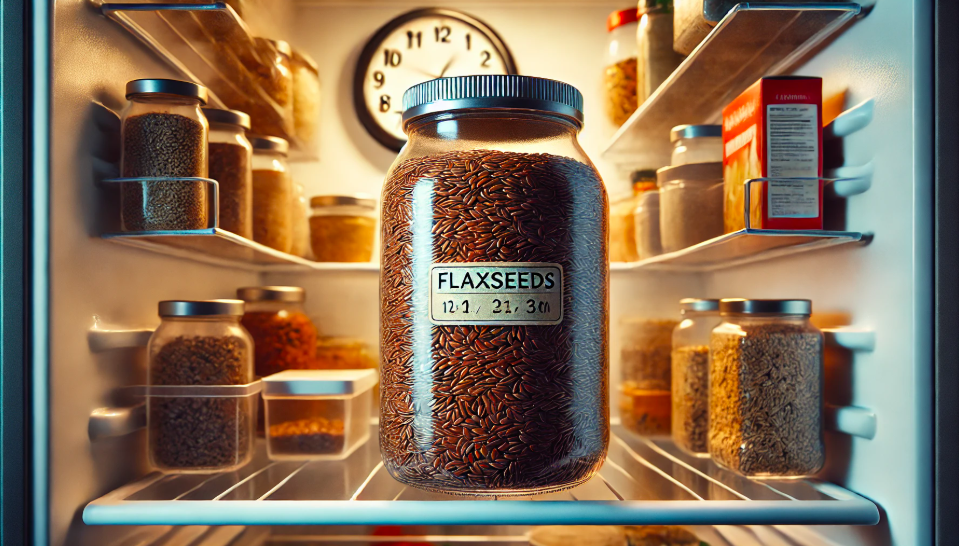
Flaxseed can last up to 6 months in the fridge if stored properly. Whole flaxseeds, due to their tough outer shell, have a longer shelf life compared to ground flaxseeds. While whole flaxseeds may stay fresh for about 6 months when refrigerated, ground flaxseeds, which are more prone to oxidation due to their exposed oils, typically last only 1 to 3 months in the fridge. To maximize freshness, it's essential to store flaxseed in an airtight container, away from light and moisture. Always check for any off smells or discoloration before use, as these are signs that the flaxseed may have gone rancid.
How To Properly Store Flaxseed In The Fridge
To properly store flaxseed in the fridge, it’s important to use an airtight container, such as a glass jar or resealable bag, to keep out air and moisture. Whole flaxseeds last longer than ground flaxseeds because their hard outer shell protects the oils inside. Whole flaxseeds can stay fresh for up to 6 months in the fridge, while ground flaxseeds should be used within 1 to 3 months, as grinding exposes them to oxidation, which can lead to spoilage. It’s also important to keep the flaxseeds in a cool, dark part of the fridge, away from light and heat, to prevent any degradation of quality. Before using flaxseeds, check them for any signs of rancidity, like a bitter or unpleasant smell. If you buy in bulk, only store a small amount in the fridge and keep the rest in a pantry, taking out what you plan to use within a few weeks. By following these simple steps, you can ensure your flaxseeds stay fresh and nutritious.
Best Practices For Extending Flaxseed Freshness
To keep flaxseeds fresh for as long as possible, it’s essential to store them properly. Flaxseeds are nutritious and rich in omega-3 fatty acids, but they can spoil quickly if not cared for correctly. Below are best practices for extending the freshness of flaxseeds, backed by reliable sources like health experts and food safety guidelines:
1. Store Whole Flaxseeds In A Cool, Dry Place
Whole flaxseeds have a natural protective coating that helps preserve their freshness longer than ground flaxseeds. Store them in an airtight container in a cool, dry area, away from heat, sunlight, and moisture. A pantry or cupboard is an ideal spot.
2. Refrigerate Ground Flaxseeds
Once flaxseeds are ground, they lose their protective coating, making them more susceptible to oxidation. This means they can spoil faster. To keep ground flaxseeds fresh, always store them in the refrigerator. Make sure the container is airtight to prevent moisture and air from affecting the seeds.
3. Use A Dark, Opaque Container
Light can cause flaxseeds to deteriorate more quickly. Use an opaque container or dark glass jar to protect the seeds from light exposure. This helps preserve their quality and nutrients.
4. Seal And Store In An Airtight Container
Flaxseeds should always be stored in airtight containers to prevent exposure to air. Air can cause the seeds to become stale or rancid. Consider using containers with tight-fitting lids or vacuum-sealed bags.
Can You Freeze Flaxseed For Longer Storage?
Yes, you can freeze flaxseeds for longer storage. Freezing flaxseed helps maintain its freshness and nutritional value, especially since ground flaxseed can spoil faster due to its higher oil content.
Why Freeze Flaxseed?
Flaxseeds contain healthy oils that can turn rancid when exposed to heat, light, or air. Freezing them helps prevent this, preserving their nutrients, including omega-3 fatty acids and fiber. This is especially useful if you buy flaxseeds in bulk or don't use them frequently.
How To Freeze Flaxseed
1. Whole vs. Ground: Whole flaxseeds have a protective shell that helps keep them fresh longer. However, ground flaxseed can spoil faster, so freezing it can help preserve its freshness. If you plan to freeze ground flaxseed, it’s a good idea to store it in smaller portions to avoid thawing and refreezing multiple times.
2. Storage Method: Place flaxseeds in an airtight container or freezer-safe bag. Make sure it’s sealed tightly to prevent moisture or odors from affecting the seeds. You can also divide them into smaller portions to use as needed.
3. Freezing Time: Flaxseeds can be stored in the freezer for up to one year. After that, their quality may begin to decline, even though they are still safe to eat.
4. Using Frozen Flaxseed: When you’re ready to use frozen flaxseeds, there’s no need to thaw them. You can add them directly to smoothies, baking recipes, or sprinkle them on top of your food. For ground flaxseed, use it right after removing it from the freezer to avoid spoilage.
Tips For Storing Flaxseed
- Keep flaxseed in a cool, dry place if you’re not freezing it.
- Store ground flaxseed in the refrigerator if you prefer not to freeze it, but use it within a few weeks.
- Always check flaxseed for any unusual smell or taste before using it, as this can be a sign it has gone bad.
By freezing flaxseeds, you can extend their shelf life and ensure you’re getting the maximum health benefits from them.
Why Storing Flaxseed In The Fridge Is Important
Storing flaxseed in the fridge is important because it helps maintain its freshness and nutritional value. Flaxseeds are rich in omega-3 fatty acids, fiber, and lignans. However, these nutrients are sensitive to heat, light, and air, which can cause the seeds to spoil or lose their benefits over time.
1. Prevents Rancidity: Flaxseeds contain a high amount of oil, which can go rancid if not stored properly. When flaxseed oil oxidizes, it loses its nutritional quality and can develop an unpleasant taste and smell. Keeping flaxseeds in the fridge slows down this process, helping them stay fresh longer.
2. Keeps Nutrients Intact: The omega-3 fatty acids in flaxseeds are easily broken down by heat and light. By storing flaxseeds in the fridge, you protect these essential nutrients from degradation, ensuring that you get the full health benefits.
3. Extends Shelf Life: When flaxseeds are stored at room temperature, their shelf life is shorter—usually only a few weeks before they start to spoil. In contrast, refrigerating them can extend their freshness for months.
4. Whole vs Ground Flaxseeds: Whole flaxseeds are more stable and less likely to spoil quickly than ground flaxseeds. However, even whole flaxseeds benefit from being stored in the fridge to preserve their freshness. Ground flaxseeds should always be refrigerated because their oils are exposed, making them more vulnerable to oxidation.
Shelf Life Of Ground Vs. Whole Flaxseed
Flaxseeds are a great source of fiber, healthy fats, and omega-3 fatty acids, but their shelf life depends on whether they are ground or whole.
Whole Flaxseeds
Whole flaxseeds have a longer shelf life compared to ground flaxseeds. When stored properly, whole flaxseeds can last about 1 yearor even longer. The hard outer shell of the seed helps protect the oils inside from spoiling. To keep them fresh, store whole flaxseeds in a cool, dry place, preferably in an airtight container. For even longer storage, you can keep them in the refrigerator or freezer.
Ground Flaxseeds
Ground flaxseeds are more vulnerable to spoilage because grinding them breaks open the protective outer shell, exposing the oils inside to air and light, which causes them to go rancid faster. Ground flaxseeds typically last around 1-3 monthsat room temperature, but they will last longer in the fridge or freezer, where they can stay fresh for up to 6 months. To maintain their freshness, it’s best to store ground flaxseeds in an airtight container and keep them in a cool, dark place.
Signs Of Spoiled Flaxseed
Flaxseeds can spoil over time, and it's important to recognize the signs to avoid using bad or harmful seeds. Here are some signs that your flaxseeds may be spoiled:
1. Off Or Rancid Smell
- Fresh flaxseeds have a mild, nutty aroma. If they smell sour, like chemicals, or have a strong, unpleasant odor, they’ve likely gone bad due to oxidation. This happens when the healthy oils inside the seeds break down.
2. Change In Color
- Flaxseeds are usually a golden or brown color. If you notice the seeds have become darker or look faded, this could indicate they are no longer fresh and may be spoiled.
3. Soft Or Brittle Texture
- Fresh flaxseeds are firm and crunchy. If they become soft or brittle when you try to break them, it could mean they’ve gone bad and lost their quality.
4. Mold Or Visible Growth
- If you see any mold or unusual growth on the flaxseeds, this is a clear sign of spoilage. Mold can grow if the seeds were stored in a damp or warm environment.
5. Oily Or Sticky Texture
- Flaxseeds contain oils that can spoil. If the seeds feel oily or sticky, it means the oils have broken down, making them unsafe to eat.
6. Sour Or Bitter Taste
- If you taste flaxseeds and they have a bitter or sour flavor, they are most likely no longer good to eat. Fresh flaxseeds have a mild, slightly nutty taste.