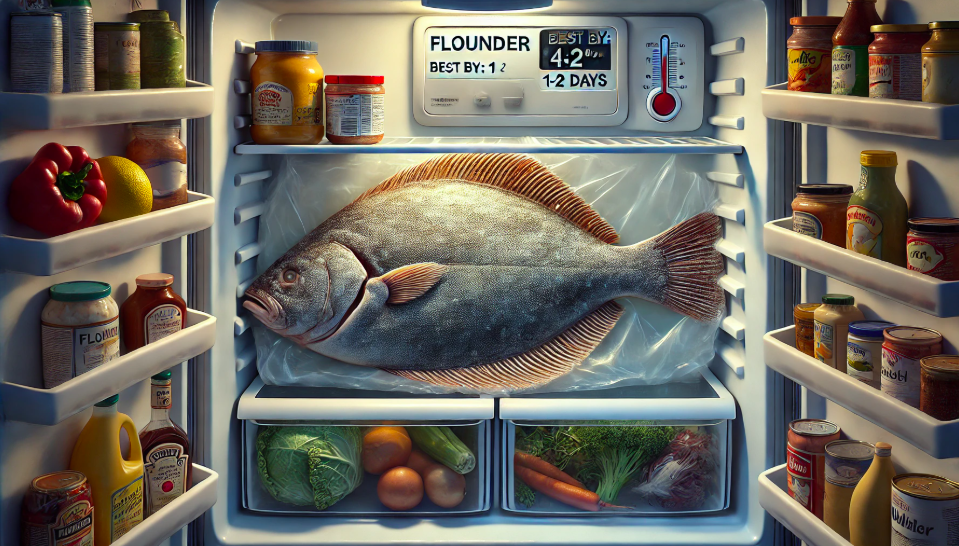
Flounder can typically last in the fridge for 1 to 2 days when stored properly. To keep it fresh, it should be placed in an airtight container or wrapped tightly in plastic wrap or aluminum foil to prevent exposure to air. If you cannot consume it within this short time frame, it is better to freeze the flounder, which can extend its shelf life for up to 6 months. Always check the fish for signs of spoilage, such as an off smell, slimy texture, or discoloration, before consuming.
Understanding Flounder Storage
Flounder, a type of flatfish, is popular for its mild taste and delicate texture. To enjoy it at its best, proper storage is essential. Storing flounder correctly helps maintain its freshness and prevents it from spoiling. Improper storage can lead to the fish losing its flavor and becoming unsafe to eat. This guide will explain how to store flounder properly, based on trusted sources to ensure it. By following the right storage methods, you can preserve the fish’s quality and enjoy it at its peak, whether it’s fresh or cooked.
Fresh Flounder: How Long Will It Last?
Fresh flounder, like other fish, is highly perishable and should be consumed promptly to ensure safety and quality. When stored properly in the refrigerator at 40°F (4°C) or below, fresh flounder remains safe to eat for up to two days.
Storage Tips:
- Refrigeration: Place the flounder in the coldest part of your refrigerator, typically the bottom shelf, to maintain optimal freshness.
- Packaging: Keep the fish in its original packaging or wrap it tightly in plastic wrap to minimize exposure to air and moisture, which can accelerate spoilage.
- Ice: For added freshness, you can place the flounder on a plate and surround it with ice in the refrigerator. This helps maintain a consistently cold temperature.
Frozen Flounder: How Long Can It Be Stored In The Freezer?
Frozen flounder can be stored in the freezer for up to 6 to 8 months without compromising its safety. However, for the best taste and texture, it's recommended to consume it within 3 to 4 months.
To maintain the quality of frozen flounder, ensure it is stored at a consistent temperature of 0°F (-18°C) or lower. Proper packaging is essential; wrapping the fish tightly in plastic wrap or aluminum foil and placing it in a freezer-safe bag can help prevent freezer burn.
When you're ready to use the frozen flounder, it's best to thaw it in the refrigerator overnight. This method helps preserve its texture and flavor. Avoid thawing at room temperature or using hot water, as these methods can promote bacterial growth and affect the fish's quality.
By following these guidelines, you can enjoy your frozen flounder at its best quality.
Best Practices For Storing Flounder
When storing flounder or any other fish, it’s essential to follow best practices to ensure it remains fresh and safe to eat. Here are some simple steps based on reliable sources:
1.Use Ice For Freshness
If you’re storing flounder for a longer time (like during transport), place it on a bed of ice. Make sure the fish isn’t sitting in water. Change the ice regularly to keep the fish cold.
2. Use An Airtight Container
Whether in the fridge or freezer, store flounder in an airtight container or wrap it well to prevent odors and contamination from other foods.
3. Avoid Storing Fish In The Same Place As Other Foods
Keep fish away from other foods to prevent cross-contamination. Store it in a separate compartment or on the bottom shelf of the fridge to avoid raw juices dripping onto other foods.
4. Consume Quickly
Flounder is a delicate fish, so it should be consumed as soon as possible for the best quality. It should not be kept in the fridge for more than two days before being cooked.
5. Thawing Frozen Fish
When you’re ready to cook frozen flounder, thaw it in the refrigerator, not at room temperature. This will prevent bacteria from growing. It’s best to thaw it overnight.
Signs Flounder Has Gone Bad
To ensure your flounder is safe to eat, look for these signs of spoilage:
- Smell: Fresh flounder has a mild, ocean-like scent. If it smells strong, sour, or like ammonia, it's spoiled.
- Appearance:
- Texture: Fresh flounder feels firm and bounces back when pressed. If it feels soft, mushy, or slimy, it's spoiled.
- Taste: Fresh flounder has a mild, slightly sweet flavor. A bitter or sour taste means it's bad.
If you notice any of these signs, it's best to discard the flounder to avoid foodborne illness.
Conclusion: Key Takeaways On Flounder Storage
To keep flounder fresh and safe to eat, follow these storage guidelines:
- Refrigeration: Store fresh flounder in the refrigerator for up to two days. Place it on a cooling rack inside a container with crushed ice beneath it, ensuring the fish doesn't touch the ice. Cover the container and replace the ice as it melts.
- Freezing: For longer storage, wrap flounder fillets tightly in plastic wrap, place them in a freezer bag, and store in the freezer. Use within three months for optimal flavor.
- Leftovers: Store cooked flounder in an airtight container in the refrigerator for up to three days. Reheat gently to maintain its texture.
By following these steps, you can enjoy flounder at its best quality.