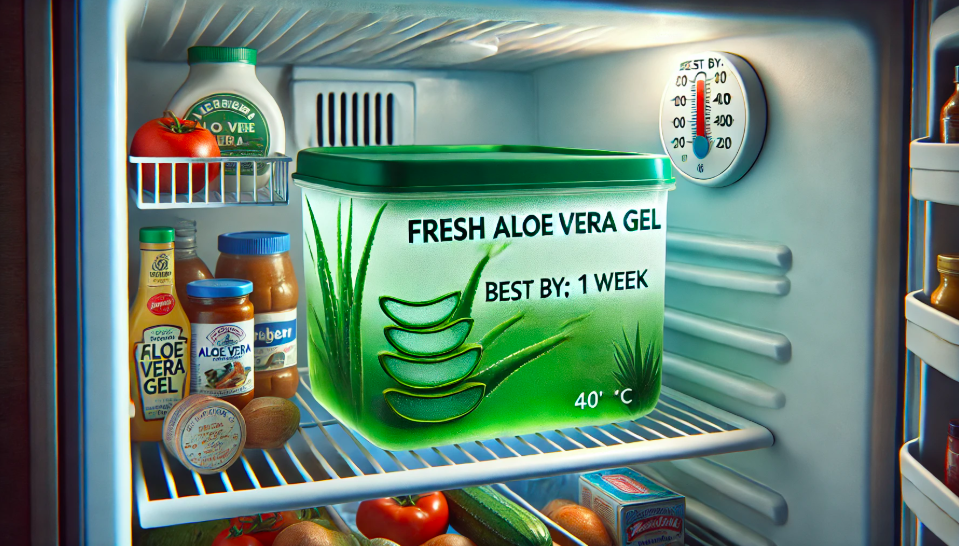
Fresh aloe vera gel typically lasts about 7 to 14 days when stored properly in the fridge. The cooling environment slows down the natural degradation process, helping preserve its freshness and potency. However, aloe vera gel is highly perishable, so it is important to store it in an airtight container to prevent exposure to air, which can lead to oxidation and bacterial growth. To maximize its shelf life, ensure the gel is clean and free from contaminants when first extracted. If you notice any changes in color, smell, or texture, it's best to discard the gel, as these are signs it may have gone bad. For longer storage, you can freeze aloe vera gel, which can extend its shelf life for several months.
Understanding The Shelf Life Of Fresh Aloe Vera Gel
Aloe vera gel is widely known for its soothing and healing properties, often used in skincare and wellness products. While store-bought aloe vera gel usually comes with a long shelf life due to preservatives, fresh aloe vera gel doesn't last as long. Understanding how long fresh aloe vera gel stays effective can help you make the most of its benefits while preventing waste.
Fresh aloe vera gel is extracted directly from the aloe vera plant, which makes it more vulnerable to bacteria and mold growth compared to the processed versions. The shelf life of fresh aloe vera gel depends on several factors, including how it is stored, whether it has been processed, and the environment it’s kept in. Proper storage methods can help extend its shelf life, but even under the best conditions, fresh aloe vera gel needs to be used quickly for maximum potency.
Why Storing Aloe Vera Gel In The Fridge Is Important
Storing aloe vera gel in the fridge is important for several key reasons:
1. Preserves Freshness and Potency: Aloe vera gel, especially when it's fresh or homemade, can degrade over time when exposed to warm temperatures. Storing it in the fridge helps keep its natural healing properties intact. Cold storage slows down the breakdown of nutrients like vitamins and antioxidants, ensuring the gel remains effective for longer.
2. Prevents Bacterial Growth: Aloe vera gel is a natural product, and when kept at room temperature, it can become a breeding ground for bacteria, mold, or yeast. Refrigeration slows bacterial growth, helping to keep the gel safe to use and extending its shelf life.
3. Enhances Cooling Effect: Aloe vera gel is often used for soothing skin, especially after sunburns or skin irritation. When stored in the fridge, the gel provides an extra cooling effect upon application, which can help to relieve discomfort more effectively.
4. Longer Shelf Life: If you have a bottle or container of aloe vera gel, refrigeration helps it last longer. The cool temperature slows down the oxidation process and maintains the gel's texture and consistency.
How To Properly Store Aloe Vera Gel In The Fridge
Aloe vera gel is popular for its soothing properties, especially when used for skin care. To keep it fresh and effective, it’s important to store it properly. Here’s how you can store aloe vera gel in the fridge to extend its shelf life and maintain its benefits:
1. Use An Airtight Container
The first step is to transfer the aloe vera gel into an airtight container if it isn’t already in one. This helps prevent exposure to air, which can cause the gel to lose its moisture and potency. You can use a clean glass jar or plastic container with a secure lid.
2. Store In The Refrigerator
Once your aloe vera gel is in an airtight container, place it in the fridge. The cool temperature slows down the breakdown of the gel and helps preserve its natural properties for a longer period. The refrigerator will keep the gel fresh for about 2 to 3 weeks, though this can vary depending on the freshness of the aloe when you store it.
3. Avoid Storing For Too Long
While refrigerating aloe vera gel helps extend its shelf life, it’s best not to store it for too long. Even in the fridge, aloe vera gel can lose its effectiveness over time. For maximum freshness, it’s recommended to use it within 2 to 3 weeks. If you see any changes in color, texture, or smell, it may have gone bad and should be discarded.
4. Freezing For Long-Term Storage
If you want to store aloe vera gel for an even longer period, freezing is an option. You can freeze the gel in ice cube trays and then transfer the cubes to a freezer-safe bag once frozen. This way, you can take out small portions of aloe gel as needed without having to thaw the entire batch.
5. Keep It Clean
Always make sure the container is clean before adding the aloe vera gel to it. Any dirt or bacteria can affect the shelf life and quality of the gel. Also, when you use the gel, avoid touching it directly with your fingers. Instead, use a clean spoon or spatula to scoop it out.
How To Extend The Freshness Of Aloe Vera Gel
To extend the freshness of aloe vera gel, you can follow a few simple steps to keep it effective and safe for a longer period. Aloe vera gel, when fresh, can provide many skin benefits, but it tends to lose its potency over time, especially when exposed to air or light. Here’s how you can make it last longer:
1.Add Vitamin C Or E
- Some people add a few drops of Vitamin C or Vitamin E oil to aloe vera gel to act as preservatives. These vitamins have antioxidant properties and can help extend the shelf life of the gel. Just make sure to mix it thoroughly.
2. Use Aloe Vera Gel Within A Few Weeks
- Even with proper storage, aloe vera gel is best used within 2-3 weeks if it's homemade. After that, it may start losing its effectiveness, and there is a higher risk of bacterial growth. For longer shelf life, commercial aloe vera gels often contain preservatives.
3. Keep Away From Direct Sunlight
- Sunlight can cause aloe vera gel to break down faster. Always store your gel in a cool, dark place away from direct sunlight to maintain its properties.
4.Avoid Contaminating The Gel
- Never dip dirty fingers or tools into the aloe vera gel container. Bacteria from your hands or other items can spoil the gel quickly. Always use clean utensils when scooping out the gel.
By following these tips, you can keep your aloe vera gel fresh for a longer time and enjoy its benefits without worrying about spoilage.
Conclusion: Maximizing The Shelf Life Of Aloe Vera Gel In The Fridge
To maximize the shelf life of aloe vera gel in the fridge, keep it in an airtight container to avoid exposure to air, which can cause degradation. Store it in a cool, dry place inside the fridge and use a clean spoon or spatula to prevent contamination. Aloe vera gel can last up to 2-3 weeks in the fridge if properly stored. If you notice any changes in color, smell, or texture, it’s best to discard it. Adding natural preservatives like vitamin E or citric acid can also help extend its freshness.
Factors Affecting The Longevity Of Aloe Vera Gel
The longevity of Aloe Vera gel can be affected by several factors. Here are some key points based on reliable sources:
The longevity of Aloe Vera gel is influenced by several key factors. First, storage conditions play a critical role. Aloe Vera gel should be kept in a cool, dry place away from direct sunlight, as exposure to heat and light can cause it to break down more quickly. An airtight container is ideal to prevent air exposure, which can also lead to degradation. The presence of preservatives in commercial Aloe Vera gels can extend their shelf life, while gels without preservatives are more prone to bacterial or mold growth. Packaging also matters; dark, opaque containers are better at preserving the gel's quality compared to clear bottles that let in light. Additionally, contaminants from dirty hands or tools can shorten the gel’s lifespan, so it’s important to handle it with clean hands or a spatula. Proper care, such as storing the gel correctly and using clean utensils, can help preserve its quality for a longer period.
Signs That Your Aloe Vera Gel Has Gone Bad
Aloe vera gel can go bad over time, especially if it's not stored properly. Here are some clear signs that your aloe vera gel has gone bad:
1. Changes In Color
Fresh aloe vera gel is usually clear or slightly green. If you notice that the gel has turned a darker color, like yellow or brown, it might be a sign that it has spoiled.
2. Strange Or Off-Smell
Aloe vera gel has a mild, fresh scent. If it starts to smell sour, rancid, or just unpleasant, it’s likely no longer safe to use.
3. Texture Or Consistency Issues
If the gel has become watery, slimy, or lumpy, it’s a sign that it’s deteriorating. Fresh aloe vera gel should have a smooth, gel-like consistency.
4. Mold Or Discoloration
If you see any mold growing on the gel, or if it has any unusual spots or clumps, it is no longer safe to use. This means bacteria or mold has started to develop.
5. Separation Of Liquid
If you notice that the gel has separated into water and thicker gel, this may indicate that it is starting to go bad, although some separation is normal if the gel hasn't been stirred for a while. Still, if it has an unusual look, it’s better not to take the risk.