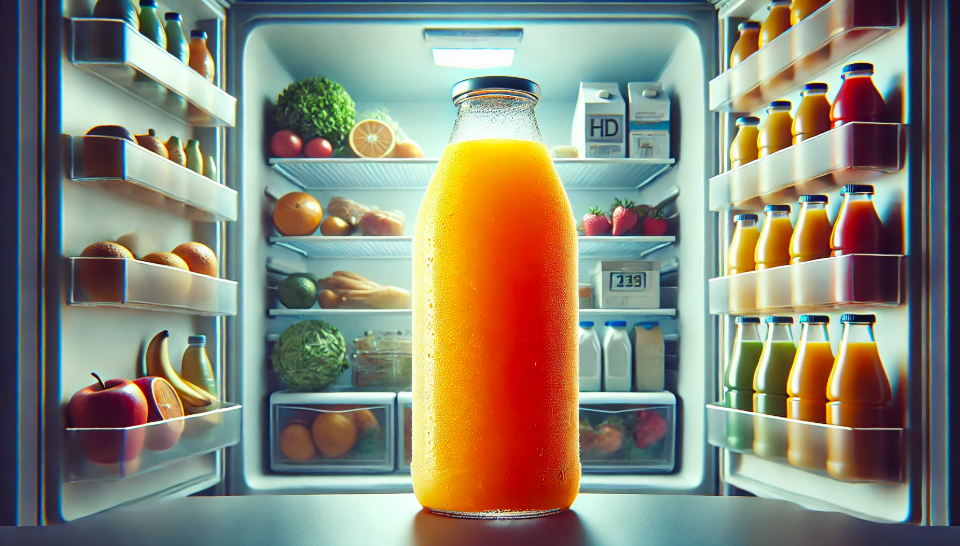
Fresh juice typically lasts about 2 to 3 days in the fridge. However, the exact shelf life can vary depending on the type of juice and how it is stored. For example, citrus juices like orange or lemon tend to last slightly longer than juices made from fruits like berries or melons. To maximize freshness, it’s important to store the juice in an airtight container and keep it chilled. Cold temperatures help slow down the natural spoilage process, but after a few days, the juice may start to lose its flavor and nutritional value.
Factors Affecting Fresh Juice Shelf Life
Several factors influence how long fresh juice will stay fresh in the fridge:
- Type of Juice: Juices made from citrus fruits often last longer due to their high acidity. On the other hand, juices from more watery fruits or vegetables like watermelon and cucumber may spoil quicker.
- Storage Method: Juices stored in airtight, opaque containers (which prevent light exposure) stay fresh longer. The exposure to oxygen and light can degrade the juice faster.
- Pasteurization: Homemade juice without any pasteurization tends to spoil faster than commercial juice that has been heat-treated to kill bacteria and extend shelf life.
- Freshness of Ingredients: The quality of the fruit or vegetable used to make the juice will directly affect its shelf life. Using fresh, ripe produce will result in juice that lasts longer than juice made from overripe or damaged fruits.
- Temperature: Consistently keeping the juice at the right temperature (around 36°F or 2°C) is crucial. If the juice is left out at room temperature for extended periods, bacteria can grow rapidly and spoil it.
Signs That Fresh Juice Has Gone Bad
To know if fresh juice has gone bad, look for these signs:
- Off Smell: One of the first signs of spoilage is a sour or unpleasant odor. Fresh juice usually has a sweet and fruity aroma, but if it smells fermented or rancid, it's no longer safe to consume.
- Change in Color: If the juice darkens or shows an unusual color, it may be a sign that it has begun to deteriorate. Some juices, like apple juice, naturally oxidize and change color over time, but a noticeable shift is a red flag.
- Separation: While juice can naturally separate over time, excessive separation where a layer of liquid or foam forms at the top might indicate bacterial growth.
- Taste: If the juice tastes sour or off, it's best to discard it. Fresh juice typically has a refreshing, sweet taste, and any bitterness or sourness suggests spoilage.
- Mold Growth: Any signs of mold or strange particles floating in the juice indicate it should be thrown out immediately.
Best Practices for Storing Fresh Juice in the Fridge
To extend the shelf life of fresh juice, proper storage is key. Here are some best practices:
- Use Airtight Containers: Store the juice in glass or plastic containers with tight-fitting lids to reduce exposure to air, which can cause oxidation and spoilage.
- Avoid Light Exposure: Keep the juice in opaque containers or place it in a dark part of the fridge to prevent light from breaking down nutrients and affecting taste.
- Fill Containers Completely: If you have extra space in the container, fill it up with more juice or cover the top with a layer of plastic wrap before sealing. Less air in the container means slower oxidation.
- Chill Immediately: Always refrigerate juice immediately after it is made to ensure it stays as fresh as possible. Leaving it out for extended periods at room temperature accelerates spoilage.
- Consume Quickly: Although the juice can last a few days in the fridge, it is best to consume it within the first 24 to 48 hours for maximum flavor and nutrition.
Can Fresh Juice Be Frozen for Longer Shelf Life?
Yes, fresh juice can be frozen to extend its shelf life. Freezing helps preserve the juice for up to 6 months, although the texture and taste may change slightly once thawed. To freeze fresh juice:
- Use Freezer-Safe Containers: Choose containers or freezer bags that are specifically designed for freezing. Leave some space at the top of the container to allow the juice to expand as it freezes.
- Avoid Freezing in Large Quantities: If you plan to use the juice in small amounts, consider freezing it in smaller portions. Ice cube trays are a great option for this, allowing you to thaw only the amount you need.
- Thawing: To thaw, place the frozen juice in the fridge overnight or leave it at room temperature for a few hours. Avoid microwaving the juice, as this can cause it to lose flavor and nutrients.