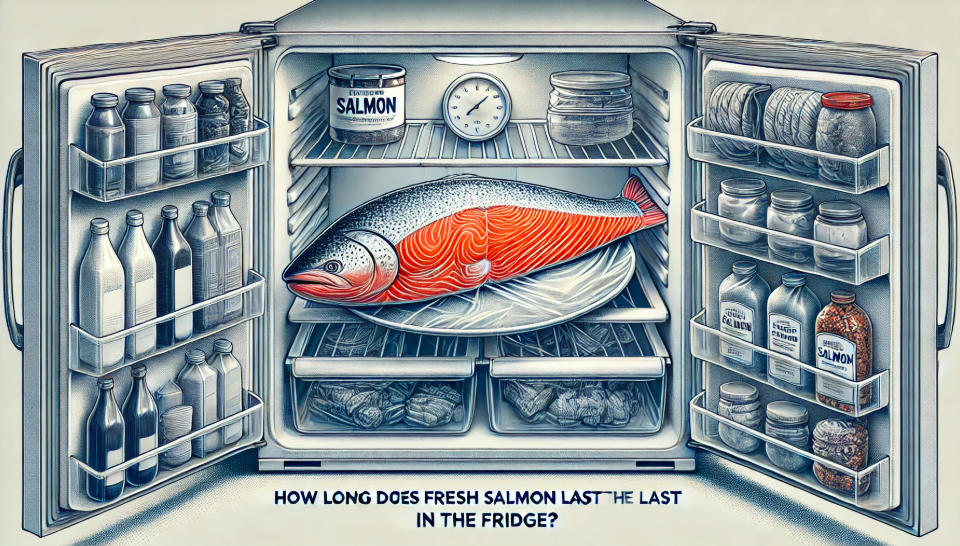
Fresh salmon can typically last 1 to 2 days in the fridge when stored properly at a temperature of 32°F to 38°F. Its short shelf life is due to its delicate nature and high moisture content, which make it prone to bacterial growth. If it was freshly caught or purchased directly from a reputable source, it might last slightly longer, but consuming it within this timeframe is best for safety and quality.
Ideal Storage Conditions For Fresh Salmon
Fresh salmon should be stored at the coldest part of your refrigerator, usually at the back or in a designated meat compartment. Wrap it tightly in food-safe plastic or place it in an airtight container to minimize air exposure. For best results, place the wrapped salmon over a bed of ice in the refrigerator. The cold temperature and limited air exposure slow bacterial growth and preserve its flavor and texture.
Key Signs Your Salmon Has Gone Bad
- Foul Smell: Fresh salmon has a mild, sea-like odor. A strong fishy or sour smell indicates spoilage.
- Discoloration: Fresh salmon is typically bright pink or orange. If the flesh turns dull or grayish, it is no longer fresh.
- Slimy Texture: A sticky or slimy film on the surface is a sign of bacterial growth.
- Dry or Brittle Edges: The edges should not appear dried out or cracked.
- Cloudy Eyes (for whole fish): If storing a whole salmon, the eyes should be clear, not cloudy or sunken.
Best Practices For Refrigerating Fresh Salmon
- Wrap Tightly: Use food-grade plastic wrap, aluminum foil, or vacuum-sealed bags to prevent air contact.
- Keep It Cold: Store the salmon in the coldest area of the fridge and, if possible, place it on a tray of ice to maintain low temperatures.
- Avoid Cross-Contamination: Store the fish separately from other foods, especially cooked items, to prevent contamination.
- Use Quickly: Consume salmon within 1 to 2 days for optimal freshness and safety.
- Do Not Wash Before Storing: Washing fish can introduce moisture and increase bacterial growth; rinse only before cooking.
Freezing Vs. Refrigerating: Which Is Better For Fresh Salmon?
Freezing is better for long-term storage as it halts bacterial growth and preserves the salmon for several months. Properly frozen salmon can last up to 3 months in a standard freezer and up to a year in a deep freezer. Refrigeration, while convenient, is better for short-term use. It keeps the salmon fresh for 1 to 2 days but does not preserve it beyond that. If you don’t plan to use the salmon immediately, freezing it is the safer and more practical choice.
FAQs On Storing Fresh Salmon
- Can I refreeze salmon after thawing? Refreezing is generally not recommended as it can affect the texture and flavor. If needed, freeze it within a day of thawing.
- Should I remove the skin before storing? Keeping the skin on helps protect the flesh from drying out. Remove it only before cooking, if desired.
- How do I thaw frozen salmon safely? Thaw it in the refrigerator overnight or under cold running water for a faster method. Avoid leaving it at room temperature.
- Can I store salmon with other seafood? It’s best to store salmon separately to prevent cross-contamination, even with other seafood products.
- Does marinating salmon extend its shelf life? Marinating can slightly delay spoilage due to acidic ingredients, but it’s not a substitute for proper storage. Refrigerate or freeze it promptly.