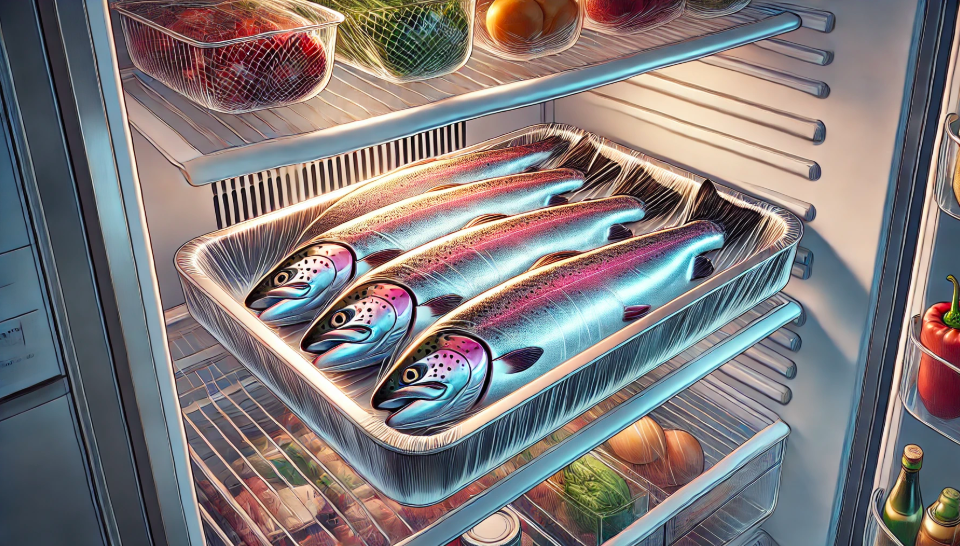
Fresh trout typically lasts 1 to 2 daysin the fridge when stored properly. To maximize its freshness, it should be kept in the coldest part of the refrigerator. Ensure it is tightly wrapped in plastic wrap or placed in an airtight container to prevent exposure to air and contaminants. If you cannot consume the trout within this time frame, it's best to freeze it to extend its shelf life. Always check for signs of spoilage, such as an off smell or a slimy texture, to determine if the fish is still safe to eat.
Optimal Storage Time For Fresh Trout
Fresh trout should be stored properly to maintain its quality and safety. In the refrigerator, fresh trout can last for up to two days if kept in an airtight container or tightly wrapped in plastic wrap or aluminum foil to avoid exposure to air. For longer storage, trout can be frozen, where it will maintain its best quality for six to eight months. Although it can last up to 12 months in the freezer, its flavor and texture may start to decline over time. When thawing frozen trout, it's best to do so slowly in the refrigerator overnight, rather than at room temperature, to reduce the risk of bacteria growth. To get the best taste and texture, it's recommended to use the trout as soon as possible after purchasing.
How To Store Fresh Trout For Maximum Freshness
To store fresh trout for maximum freshness, it is important to follow proper methods to preserve the fish's quality. Here’s how you can do it:
1. Keep It Cold
- Fresh trout should be stored in the coldest part of your refrigerator, ideally between 32°F (0°C) and 36°F (2°C). Cold temperatures slow down bacterial growth, keeping the fish fresh longer.
2. Use Ice
- If you're not planning to cook the trout right away, it's a good idea to store it on a bed of ice. Place the fish in a shallow pan or tray, cover it with crushed ice, and then cover the pan with plastic wrap or foil. Make sure to drain the water as the ice melts to prevent the fish from sitting in excess water.
3. Wrap It Properly
- To protect the fish from air exposure (which causes it to spoil faster), wrap the trout tightly in plastic wrap or aluminum foil. You can also place it in a resealable plastic bag or airtight container. Make sure it's sealed to keep out moisture and air.
4. Use It Quickly
- Fresh trout is best used within 1 to 2 days. If you're not able to use it within that time, it's a good idea to freeze it for longer storage.
5. Freezing For Long-Term Storage
- If you plan to store trout for more than a few days, freezing is the best option. To freeze, wrap the fish tightly in plastic wrap, then place it in a freezer-safe bag or container. Label it with the date, so you know how long it has been stored. It’s best to use frozen trout within 2-3 months for optimal taste and texture.
Can You Freeze Fresh Trout To Extend Its Shelf Life?
Yes, you can freeze fresh trout to extend its shelf life. Freezing helps preserve the fish for a longer period compared to keeping it in the fridge. Here's how to do it correctly:
Why Freeze Fresh Trout?
Freezing trout can extend its shelf life for up to 6 months or longer, depending on how well it's prepared before freezing. This is a good option if you’ve caught or bought fresh trout and won’t be able to eat it soon.
How To Freeze Fresh Trout
1. Clean the Fish:Before freezing, it’s best to clean the trout, remove the guts, and rinse it under cold water. You can either freeze the trout whole or fillet it, depending on your preference.
2. Dry the Fish:Pat the fish dry with paper towels. Removing excess moisture helps prevent freezer burn, which can affect the fish’s taste and texture.
3. Wrap the Fish Properly:Use plastic wrap, aluminum foil, or a freezer-safe bag to wrap the trout tightly. If you’re using a bag, try to remove as much air as possible to prevent freezer burn. You can also vacuum-seal the fish for the best protection.
4. Label the Package:Write the date on the wrapping or bag so you know when you froze the trout. This helps you keep track of how long it’s been in the freezer.
Best Practices For Storing Fresh Trout In The Fridge
Here are some best practices for storing fresh trout in the fridge, based on expert recommendations:
1. Store Immediately
After buying fresh trout, it’s important to store it in the fridge right away. Fresh fish should not be left at room temperature for more than two hours to prevent bacterial growth.
2.Keep It Covered
Wrap the trout tightly in plastic wrap or aluminum foil to prevent air from reaching it. This helps preserve the fish’s flavor and prevents it from drying out.
3. Use A Leak-Proof Container
If you prefer, you can place the wrapped trout in a leak-proof plastic bag or an airtight container. This helps reduce exposure to air and odors from other foods in the fridge.
4. Store On The Bottom Shelf
Store the trout on the bottom shelf of your fridge, ideally on a plate or shallow tray to catch any liquid that may leak out. Keeping it on the bottom helps avoid contamination of other foods.
Factors That Affect The Shelf Life Of Fresh Trout
The shelf life of fresh trout depends on several factors that influence how long it stays safe and good to eat.
1.Packaging
- Proper packaging helps protect trout from bacteria and contaminants. Vacuum-sealing the fish or wrapping it tightly in plastic wrap and aluminum foil can help extend its shelf life. Air-tight packaging keeps moisture in and oxygen out, slowing down the spoiling process.
2. Handling
- Handling fresh trout carefully is crucial. The cleaner the fish is when caught, cleaned, and processed, the longer it will last. Touching the fish with dirty hands or using unclean equipment can introduce bacteria, which speeds up spoilage.
3. Oxygen Exposure
- Exposure to air can cause the fish to spoil more quickly. The more the fish is exposed to oxygen, the faster it will deteriorate. This is why vacuum-sealing or storing trout in airtight containers is recommended.
4. Bacteria And Contamination
- Fish is highly perishable due to the growth of bacteria. Trout is no exception, and bacteria can start to multiply quickly if the fish is not handled or stored properly. It's essential to keep the fish clean and to follow proper hygiene during handling.
5. Time Between Catch And Consumption
- The sooner you can consume fresh trout after it’s caught, the better. Fish that is stored for a longer period will naturally lose freshness, even with proper care. If you catch trout or buy it fresh, try to eat it within 1-2 days.
Signs That Fresh Trout Has Gone Bad
When fresh trout goes bad, there are clear signs you can look for to tell if it's no longer safe to eat.
1. Smell
Fresh trout should have a clean, mild scent, like the sea. If it smells sour, rotten, or overly fishy, it's a sign that the fish is spoiled and should not be eaten.
2. Texture
The flesh of fresh trout should be firm to the touch. If the fish feels mushy or slimy, it’s likely gone bad. Fresh fish should bounce back when pressed with your finger.
3. Color
The color of the trout's flesh should be bright and vibrant, often a light pink or orange depending on the species. If the flesh looks dull, grayish, or has dark spots, it's a sign that the fish is no longer fresh.
4. Eyes
The eyes of fresh trout should be clear, bright, and slightly bulging. If the eyes are cloudy, sunken, or discolored, it means the fish has started to spoil.
5. Gills
Fresh trout has red or pink gills. If the gills are brown or gray, or if they have a slimy coating, the fish is no longer fresh.