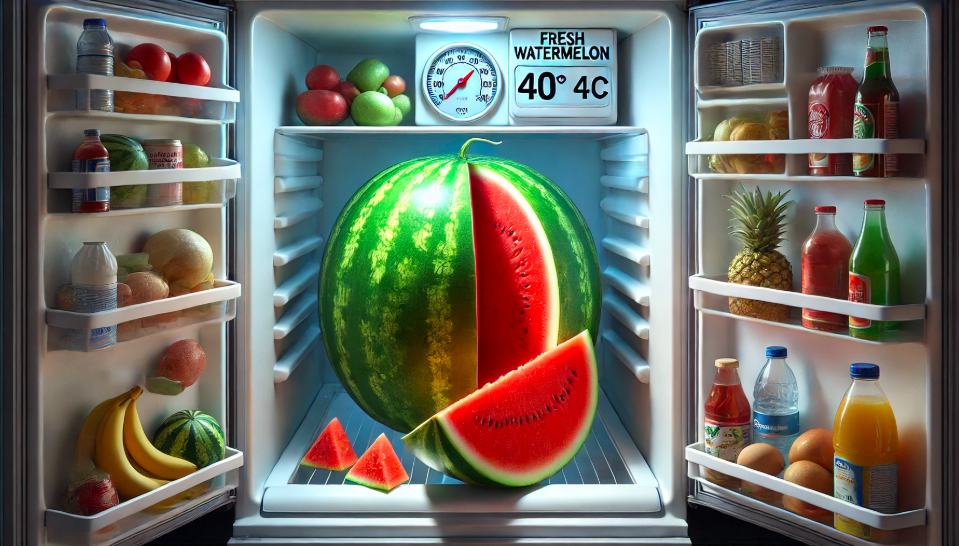
Fresh watermelon can typically last in the fridge for about 3 to 5 days when properly stored. To maximize its shelf life, it should be kept in an airtight container or wrapped tightly in plastic wrap after being cut. Whole, uncut watermelon can last about 7 to 10 days in the fridge. However, the freshness can start to degrade over time, and it’s important to check for any signs of spoilage, such as an off smell, slimy texture, or mold. If the watermelon begins to soften or shows signs of excessive water loss, it’s best to consume it sooner rather than later.
Understanding Watermelon Storage
Watermelons are a refreshing and delicious fruit, especially in hot weather. To keep them fresh for as long as possible, it's important to store them properly. Whether you’ve just bought a whole watermelon or already cut into it, how you store it can affect its taste and quality. In this guide, we’ll look at the best ways to store watermelons based on trusted sources and expert advice. We’ll cover both whole and cut watermelon storage, so you can enjoy the fruit at its best for as long as possible.
Proper storage helps keep your watermelon juicy and flavorful, and prevents it from going bad too quickly. By following these simple tips, you can make sure that your watermelon stays fresh and tasty, whether you're keeping it on the countertop or in the refrigerator.
How To Store Fresh Watermelon Properly In The Fridge
To store fresh watermelon properly in the fridge, follow these simple steps:
1. Whole Watermelon
- Keep it uncut: If your watermelon is whole, you can store it in the fridge. A whole watermelon can last about 7-10 days in the fridge.
- Place it in a cool spot: You don’t need to wrap it, but make sure it’s kept in a spot where it won't get squished by other items. It's best to store it on a shelf, not the door, so the temperature stays stable.
2. Cut Watermelon
- Cover it well: Once you’ve cut the watermelon, cover the pieces with plastic wrap or place them in an airtight container. This helps prevent moisture loss and keeps the fruit fresh.
- Refrigerate quickly: Make sure to put the cut watermelon into the fridge within two hours of cutting it to avoid bacterial growth.
- Use within 3-4 days: Cut watermelon is best eaten within 3 to 4 days for the best taste and texture.
Shelf Life Of Fresh Watermelon In The Refrigerator
The shelf life of fresh watermelon in the refrigerator depends on whether it's whole or cut.
Key Tips For Storing:
- Keep whole watermelon uncut until you're ready to eat it.
- Cut watermelon should be kept chilled to prevent bacteria growth.
- If the watermelon starts to show signs of mushiness, mold, or an off smell, it should be discarded.
For best quality, it’s always best to eat watermelon soon after cutting it, but proper storage can extend its freshness for several days.
Tips For Extending The Freshness Of Watermelon
To extend the freshness of watermelon, here are some helpful tips based on solid sources and expert recommendations:
1. Use An Airtight Container
- When storing cut watermelon, place it in a container with a tight seal. This minimizes exposure to air, which can cause it to spoil quicker.
2. Keep The Skin On Until Ready To Cut
- The skin of the watermelon acts as a natural barrier, protecting the flesh from bacteria and air. Only cut into the watermelon when you're ready to eat or serve it.
3. Avoid Storing Near Other Fruits
- Watermelon produces ethylene gas, which can cause other fruits like bananas, apples, or avocados to ripen faster. Keep it separate from other fruits to avoid this effect.
4. Refrigerate Leftover Juice
- If you have leftover watermelon juice, store it in a sealed container in the fridge. It should last about 3-4 days. For longer storage, consider freezing the juice in ice cube trays.
5. Freeze For Long-Term Storage
- If you have more watermelon than you can eat, freezing is a great option. Cut it into cubes or slices and spread them on a baking sheet. Freeze them individually for a few hours, then transfer to a freezer bag. Frozen watermelon can last up to 6 months and can be used in smoothies or as a refreshing snack.
6. Check For Signs Of Spoilage
- Always inspect watermelon for signs of spoilage. Look for any mold, off smells, or slimy texture on cut pieces. If you notice any of these signs, discard the affected pieces.
By following these simple tips, you can extend the freshness and enjoyment of your watermelon for longer periods.
Can You Freeze Watermelon For Longer Storage?
Yes, you can freeze watermelon to store it for a longer time. Freezing watermelon is a great way to keep it fresh for months if you can't finish it right away. However, there are a few things to keep in mind.
How To Freeze Watermelon
1. Choose a Ripe Watermelon: Make sure the watermelon is fully ripe. It should be sweet and firm, with no soft spots.
2. Prepare the Watermelon: Wash the outside of the watermelon well. Cut it into small cubes or slices, removing the rind and seeds. You can also puree the watermelon if you prefer.
3. Optional Step - Remove Excess Water: Watermelon has a lot of water in it, which can make the texture mushy once it's thawed. You can place the cut watermelon in a fine mesh strainer to drain some of the excess water.
4. Freeze on a Baking Sheet: Spread the watermelon pieces in a single layer on a baking sheet or tray. This prevents the pieces from sticking together when they freeze. Leave some space between them.
5. Freeze for 2-3 Hours: Put the baking sheet in the freezer for 2-3 hours until the watermelon pieces are frozen solid.
Conclusion: Best Practices For Watermelon Storage
To get the most out of your watermelon, proper storage is key. If you're storing a whole watermelon, keep it at room temperature until you're ready to cut it. This helps maintain its flavor and texture. Once sliced, refrigerate the pieces in an airtight container to keep them fresh. It’s best to consume the watermelon within a few days for the best taste and quality.
For longer storage, you can freeze watermelon, but be aware that freezing changes its texture. Freezing works well for using in smoothies or other blended drinks. Always make sure to wash the watermelon before cutting, and try to avoid keeping it out for too long after slicing to prevent spoilage.
By following these simple steps, you can enjoy fresh, tasty watermelon for a longer period of time.
Signs That Your Watermelon Has Gone Bad
Here are some simple signs that your watermelon has gone bad, based on reliable sources:
1. Soft Or Mushy Spots
If the watermelon feels soft or mushy to the touch, it's a sign that it is overripe or has started to rot. Press on the skin or flesh, and if it doesn't bounce back or if it leaves an indentation, it may have gone bad.
2. Off Or Sour Smell
A fresh watermelon has a sweet, fresh smell. If it starts to smell sour, fermented, or unpleasant, it's likely gone bad.
3. Discoloration
Look for dark spots or areas of the flesh that are discolored (like brown or gray spots). This could mean that the watermelon is starting to spoil.
4. Visible Mold
Mold on the skin or inside the flesh of the watermelon is a clear sign that it is no longer safe to eat. Any white, green, or black fuzzy patches should be avoided.
5. Leaks Or Liquid Dripping
If liquid starts leaking from the watermelon or pooling around it, it is a sign that the fruit is breaking down and has gone bad.