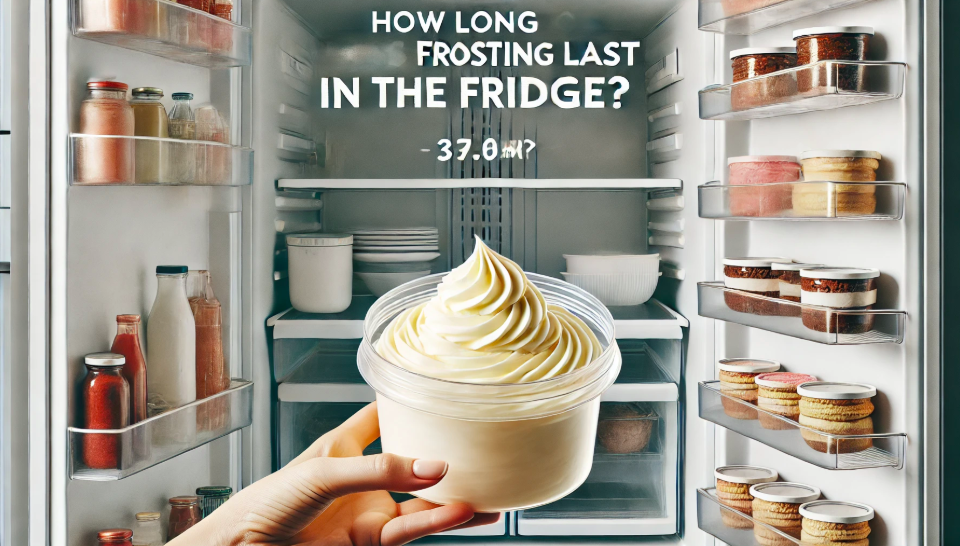
Frosting stored in the fridge typically lasts 5 to 7 days, depending on its ingredients and how it is stored. While refrigeration slows down bacterial growth, the exact duration depends on the type of frosting, as well as whether it’s homemade or store-bought. Proper storage in an airtight container is essential to maintain freshness.
Typical Fridge Shelf Life Of Frosting
- Buttercream Frosting: 5–7 days in the fridge when stored in an airtight container.
- Cream Cheese Frosting: 3–5 days, as it contains perishable dairy ingredients.
- Whipped Frosting: 2–3 days due to its lighter consistency and risk of separating.
- Royal Icing: Up to 1 week, but it may dry out over time if not stored properly.
- Ganache: 3–4 days if made with cream, but can last longer with non-dairy substitutes.
Homemade Vs. Store-Bought Frosting: Longevity Differences
- Homemade Frosting: Typically lasts 3–5 days in the fridge because it often lacks preservatives. This is particularly true for dairy-based options like cream cheese frosting or fresh whipped cream frosting.
- Store-Bought Frosting: Often lasts longer, up to 7–10 days, as it usually contains preservatives that extend its shelf life. However, it should still be stored in an airtight container after opening.
Factors Influencing Frosting’s Freshness
- Ingredients: Dairy-based frostings spoil faster than those made with sugar and shortening.
- Storage Method: Frosting left uncovered in the fridge can dry out or absorb odors from other foods.
- Temperature: Storing frosting consistently below 40°F ensures a longer shelf life.
- Contamination: Using dirty utensils or exposing frosting to repeated temperature changes shortens its freshness.
- Additives: Preservatives in store-bought frosting can significantly improve longevity.
Recognizing Spoiled Frosting: Key Signs
- Odd Smell: Spoiled frosting may emit a sour or rancid odor.
- Change in Texture: Frosting that becomes overly dry, grainy, or watery is likely past its prime.
- Mold Growth: Visible mold on the surface is a clear indication of spoilage.
- Taste: If the frosting tastes sour or off, it should not be consumed.
Does The Type Of Frosting Affect Storage Time?
Yes, the type of frosting has a significant impact on how long it can be safely stored.
- Butter-Based Frostings: Last longer because butter and sugar are less prone to spoilage.
- Dairy-Heavy Frostings: Cream cheese or whipped cream frostings have a shorter fridge life due to the perishability of dairy.
- Egg-Based Frostings: Frostings like Swiss or Italian meringue, made with raw or lightly cooked eggs, should be consumed within 2–3 days.
- Sugar-Based Frostings: Royal icing or powdered sugar-based frosting tends to last longer due to the preservative properties of sugar.
Best Practices For Storing Frosting In The Fridge
- Use an Airtight Container: Prevents exposure to air and fridge odors.
- Refrigerate Promptly: Store unused frosting within two hours of making or opening.
- Keep at a Consistent Temperature: Avoid frequent temperature fluctuations by storing frosting in the main section of the fridge instead of the door.
- Label the Container: Mark the date when the frosting was made or opened to keep track of freshness.
- Avoid Cross-Contamination: Use clean utensils every time to avoid introducing bacteria.
Can You Extend Frosting’s Shelf Life By Freezing?
Yes, freezing can significantly extend the shelf life of frosting.
- Storage Time: Frosting can last up to 3 months in the freezer.
- Preparation: Place frosting in an airtight, freezer-safe container and seal tightly.
- Thawing: Defrost in the fridge overnight. Stir well to restore its original consistency before use.
- Limitations: Some frostings, like whipped cream or meringue-based, may lose texture or separate when thawed, while buttercream and cream cheese frostings freeze well.
Making The Most Of Your Frosting’s Shelf Life
To maximize frosting’s shelf life, proper storage is key. Homemade frosting requires more careful handling and quicker consumption, while store-bought options provide a longer timeframe due to preservatives. Always store frosting in an airtight container in the fridge and monitor for signs of spoilage. For longer storage, freezing is an effective option, provided the frosting type is suitable for freezing. By following these practices, you can enjoy fresh and safe frosting for an extended period.