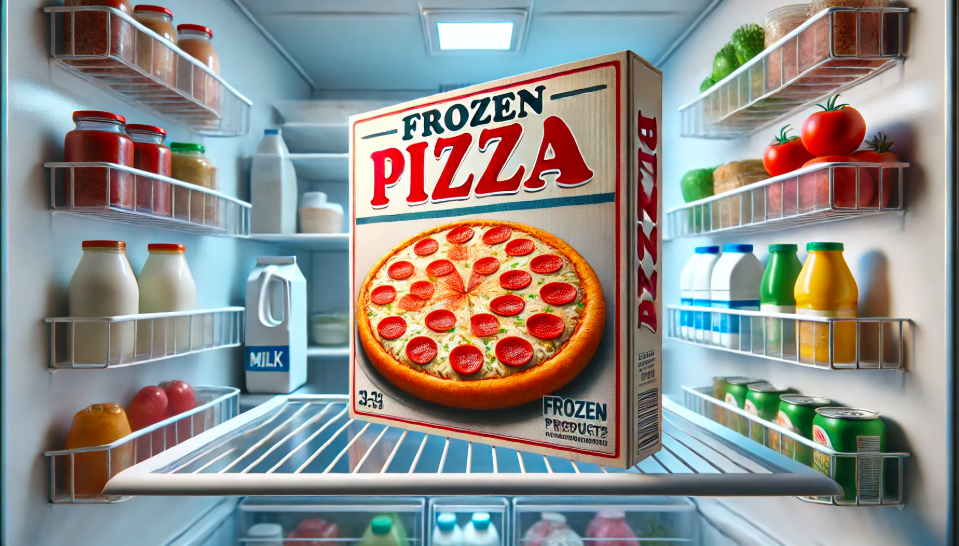
Frozen pizza, once thawed, should be consumed within 3 to 4 days if stored in the refrigerator. This is based on maintaining a refrigerator temperature of 41°F (5°C) or below, which is the threshold for slowing down bacterial growth. After thawing, the pizza’s quality begins to deteriorate gradually, and the risk of spoilage increases.
The timeframe also depends on the type of ingredients used on the pizza. Meats, cheeses, and certain vegetables may degrade faster than simpler pizzas with fewer toppings. Eating the pizza within this window ensures it remains safe and tastes good. It’s important to remember that the clock starts ticking as soon as the pizza begins to thaw, not just after it has been placed in the fridge.
Factors That Affect The Shelf Life Of Frozen Pizza
Several factors can influence how long your frozen pizza lasts after being thawed. These include:
- Storage Temperature: Keeping the fridge at or below 41°F (5°C) ensures a stable environment that slows bacterial growth. Warmer temperatures can accelerate spoilage.
- Packaging: If the packaging is compromised, air and moisture can get inside, leading to freezer burn or faster spoilage.
- Topping Composition: Pizzas with fresh vegetables or cooked meats are more perishable compared to simple cheese or plain dough pizzas.
- Time Spent Outside the Freezer: If the pizza spends a long time at room temperature before being stored in the fridge, bacteria can multiply more rapidly.
- Quality of the Pizza Before Freezing: If the pizza was nearing its expiration date before freezing, its fridge shelf life after thawing will be shorter.
Signs That Your Frozen Pizza Has Gone Bad
Knowing the signs of spoilage can help prevent foodborne illnesses. Look for the following:
- Unpleasant Odor: A sour, musty, or off smell is a clear sign the pizza is no longer safe to eat.
- Visible Mold: Mold can appear as green, black, or white fuzzy spots on the crust or toppings. If you see any mold, discard the pizza immediately.
- Texture Changes: A slimy or overly sticky texture, especially on the cheese or toppings, indicates the pizza has spoiled.
- Discoloration: Any unusual changes in color, such as a yellowish crust or darkened areas on toppings, signal that the pizza should not be eaten.
- Freezer Burn (if previously stored in the freezer): Dry or frosty spots might not mean the pizza is unsafe, but it will affect texture and flavor.
Proper Storage Tips For Frozen Pizza In The Fridge
Following proper storage techniques can help extend the life of your pizza and maintain its quality. Here are some key tips:
- Cool It First: Always allow leftover or freshly baked pizza to cool down to room temperature before placing it in the fridge. Storing hot food can create condensation, leading to sogginess or bacterial growth.
- Use Airtight Containers: Store the pizza in a sealed, airtight container or tightly wrap it in plastic wrap or aluminum foil. This minimizes exposure to air and moisture, preserving freshness.
- Refrigerate Promptly: Place the pizza in the fridge as soon as possible after thawing or cooling to reduce the risk of bacterial growth.
- Avoid Stacking Unprotected Slices: Layer slices with parchment paper or use separate containers to prevent them from sticking together.
- Check Fridge Settings: Ensure the fridge temperature is consistently set at or below 41°F (5°C).
Can You Extend The Fridge Life Of Frozen Pizza?
While frozen pizza is best consumed within the recommended 3 to 4 days after thawing, there are methods to potentially extend its lifespan:
- Refrigerate Immediately: Always store the pizza in the fridge as soon as it begins to thaw to maximize its shelf life.
- Freeze Again (if Safe): If the pizza has been in the fridge for less than 24 hours and shows no signs of spoilage, you may refreeze it. Note that this could slightly degrade its texture and flavor.
- Vacuum Sealing: For leftover pizza or large portions, vacuum-sealing containers or bags can help extend freshness by reducing oxygen exposure.
- Use Preservative Wrapping: Wrapping the pizza in plastic wrap and foil before refrigeration adds an extra layer of protection from air and contaminants.
Difference Between Fridge And Freezer Storage For Pizza
There’s a significant difference between storing pizza in the fridge versus the freezer:
- Ideal for long-term storage of both pre-cooked and uncooked pizzas.
- Maintains quality for 1 to 2 months if properly wrapped and frozen.
- Prevents bacterial growth entirely, though freezer burn can affect taste and texture over time.
- Suitable for short-term storage of thawed pizza.
- Keeps pizza safe to eat for 3 to 4 days.
- Allows for easy reheating without needing to thaw further.
- Refrigerator Storage:
- Freezer Storage:
Is It Safe To Eat Frozen Pizza After The Recommended Time?
Eating frozen pizza after the recommended storage time is not advised for safety or quality reasons. While pizza stored beyond the recommended period might not always show obvious signs of spoilage, the risk of bacterial contamination increases. Additionally, the texture and flavor of the pizza may become unappealing due to ingredient breakdown.
- Foodborne Illness Risk: After 3 to 4 days in the fridge, harmful bacteria like Listeria or Salmonella may grow to unsafe levels, especially in perishable toppings like cheese or meat.
- Quality Decline: Crust may become soggy, cheese may develop a rubbery texture, and toppings could lose their flavor.
Always err on the side of caution and discard pizza that has been stored too long.
Additional Tips: Reheating Leftover Pizza
Proper reheating ensures food safety and restores the pizza’s texture and flavor. Here are some reheating tips:
- Oven: Preheat to 375°F (190°C) and bake the pizza for 8-10 minutes, placing it on a baking sheet or directly on the rack for a crispier crust.
- Stovetop: Heat a non-stick skillet on medium heat, place the pizza slice inside, and cover with a lid to retain heat. Cook for about 5 minutes for a crispy bottom and melted cheese.
- Microwave: Place the slice on a microwave-safe plate with a cup of water beside it to retain moisture. Heat in 30-second intervals until warm.
Reheating to an internal temperature of 165°F (74°C) is recommended to ensure any harmful bacteria are killed.