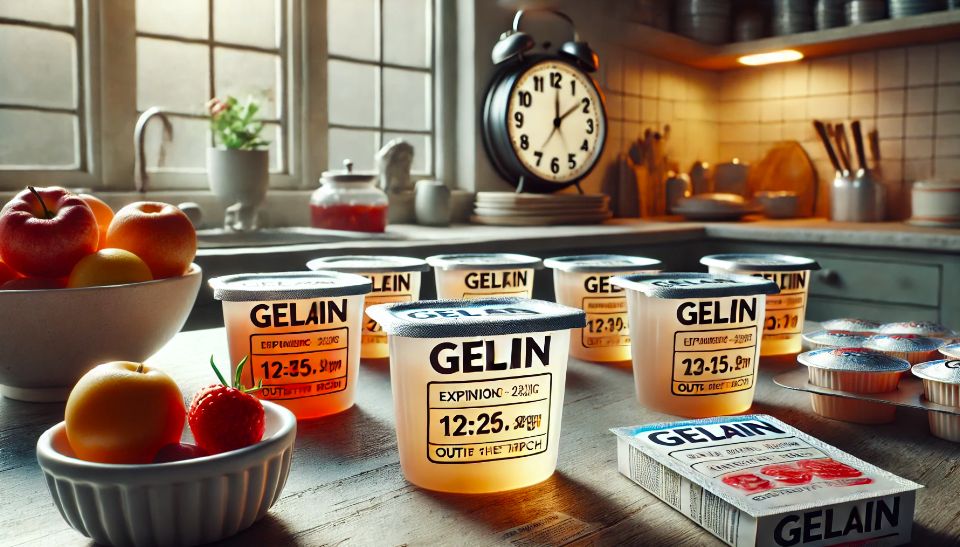
How Long Does Gelatin Last Out Of The Fridge
Gelatin generally lasts for around 1 to 2 hours at room temperature if left out of the fridge. However, this duration can vary based on factors such as temperature, humidity, and whether the gelatin is homemade or store-bought. Store-bought gelatin products often contain preservatives, allowing them to stay fresh for a slightly longer time when left out. In contrast, homemade gelatin lacks preservatives, making it more vulnerable to spoilage at room temperature. It’s best to store gelatin in the fridge to extend its freshness.
Factors Affecting Gelatin's Freshness At Room Temperature
Several factors influence how long gelatin can stay fresh outside the fridge:
- Temperature: Warm or hot conditions cause gelatin to soften, melt, and spoil more quickly. Room temperatures above 70°F (21°C) are not ideal for gelatin storage.
- Humidity: High humidity can affect gelatin’s consistency and promote bacterial growth, especially if it is uncovered. Moisture-rich environments increase spoilage risk.
- Type of Gelatin: Gelatin with preservatives (typically store-bought) has better stability than homemade gelatin, which lacks these additives.
- Air Exposure: Gelatin exposed to air deteriorates faster. Covering it reduces exposure to airborne bacteria and moisture, prolonging its freshness outside the fridge.
- Ingredients Used: Gelatin made with fresh fruits, juices, or dairy tends to spoil faster due to the perishable nature of these ingredients. Store-bought options often include stabilizers that help them last longer.
How Long Can Gelatin Sit Out Before Spoiling?
Gelatin can usually sit out for 1 to 2 hours before it starts spoiling, though this depends on environmental factors. In a cool, dry room, gelatin may last closer to 2 hours, but in warm conditions or direct sunlight, it can spoil faster. Homemade gelatin is more likely to spoil quickly due to the lack of preservatives. For food safety, if gelatin has been out for more than two hours, especially in warm conditions, it should be discarded to avoid potential health risks.
Signs That Gelatin Has Gone Bad
Identifying spoiled gelatin is essential to prevent consumption of harmful bacteria. Signs that gelatin has gone bad include:
- Change in Smell: Fresh gelatin has a neutral or sweet smell. A sour or unpleasant odor is a clear indication of spoilage.
- Texture Alteration: Spoiled gelatin may become overly soft, sticky, or watery as it loses its original consistency. Melted or runny gelatin is often a sign of spoilage.
- Visible Mold or Discoloration: Mold growth or changes in color (such as turning cloudy or darker) signal that the gelatin is no longer safe to eat.
- Off Taste: Spoiled gelatin may taste sour or bitter. If any unusual flavor is detected, the gelatin should be discarded.
How To Properly Store Gelatin For Maximum Freshness
To maximize the freshness and shelf life of gelatin, it’s important to store it correctly:
- Refrigerate Immediately: After making or opening gelatin, place it in the refrigerator promptly. The cold temperature slows bacterial growth and helps retain its structure.
- Cover or Seal: Use an airtight container or plastic wrap to cover gelatin. This prevents air, moisture, and odors from affecting the gelatin.
- Keep Away from Odorous Foods: Gelatin absorbs odors easily, so storing it away from foods like onions or garlic in the fridge can help maintain its taste and freshness.
- Use an Optimal Container: Glass containers are ideal as they prevent odor absorption and maintain the gelatin’s flavor. Avoid storing gelatin in metal containers, which can alter its taste.
Does Homemade Gelatin Last Longer Than Store-Bought?
Store-bought gelatin generally lasts longer than homemade gelatin due to the preservatives and stabilizers added to commercial products. These additives enhance shelf stability and make store-bought gelatin less prone to bacterial contamination. Homemade gelatin, on the other hand, lacks preservatives and is made from fresh ingredients, which makes it more vulnerable to spoilage, especially when left at room temperature. It is recommended to refrigerate homemade gelatin as soon as possible and consume it within a shorter time frame compared to store-bought options.
Tips For Keeping Gelatin Fresh Without Refrigeration
If refrigeration is not an option, a few practices can help keep gelatin fresh:
- Use an Insulated Cooler: An insulated bag or cooler can keep gelatin cool for a limited time, especially if ice packs are included.
- Cover Well: Use plastic wrap or an airtight container to limit air exposure and reduce contamination risk.
- Place in a Cool, Shaded Area: Keep gelatin out of direct sunlight or warm areas. A shaded or cool spot slows the spoilage process.
- Limit Sitting Time: Consume gelatin within an hour or two if it’s kept out of the fridge, especially in warm weather, to reduce the risk of spoilage.
Frequently Asked Questions about Gelatin Storage
Q: Can I freeze gelatin to extend its shelf life? A: Yes, gelatin can be frozen, though it may affect its texture slightly. Freezing is useful for extending shelf life, but the gelatin should be thawed in the fridge before use.
Q: How long does gelatin last in the fridge? A: Gelatin typically lasts about 7 to 10 days in the fridge when stored in an airtight container. Homemade gelatin should be consumed within a week for best quality.
Q: Does unopened gelatin need refrigeration? A: Unopened powdered gelatin or store-bought gelatin products do not require refrigeration. Once prepared or opened, they should be refrigerated to maintain freshness.
Q: Can gelatin be left out overnight? A: No, it’s unsafe to leave gelatin out overnight, as bacterial growth can make it harmful to consume. Always refrigerate gelatin when not in use.
Q: What’s the best container for storing gelatin? A: Airtight glass containers are ideal for storing gelatin, as they help maintain its taste, prevent odor absorption, and extend freshness.