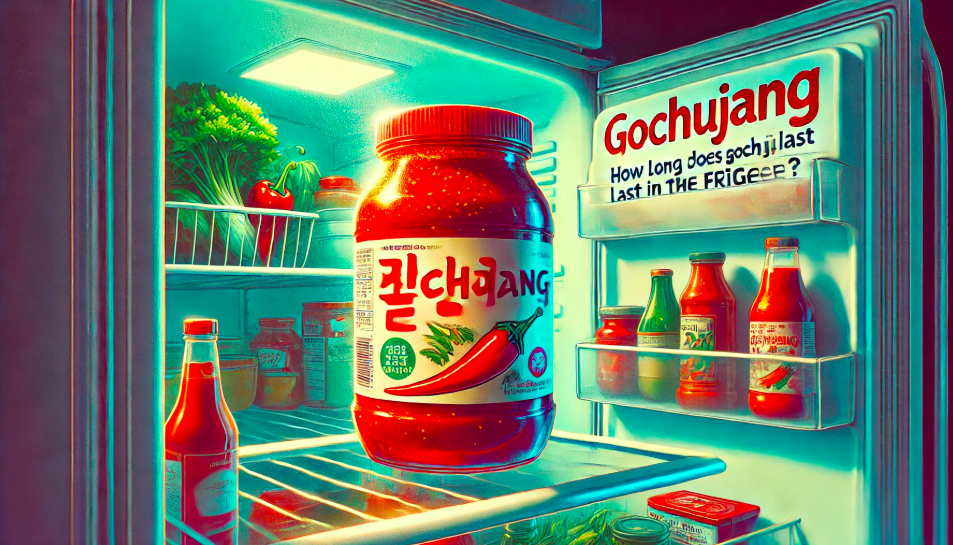
Gochujang, the Korean fermented chili paste, is a staple ingredient in Korean cooking and widely appreciated for its spicy, savory, and slightly sweet taste. Its shelf life depends on several factors, such as whether it is opened or unopened, the storage conditions, and how it is handled. An unopened container of gochujang can last up to two years if stored in a cool, dry place away from sunlight and heat. Its natural fermentation process and high salt content act as preservatives, keeping it safe to consume even over an extended period. Manufacturers typically provide a "best before" date on the packaging, but unopened gochujang often remains usable beyond that date if the container is intact and stored correctly.
Factors That Affect the Shelf Life of Gochujang
The shelf life of gochujang depends on several key factors:
- Storage Conditions: Gochujang must be kept in a cool, dry place before opening. After opening, refrigeration is crucial to slow down fermentation and bacterial growth. Extreme heat or humidity can damage the paste's texture and flavor.
- Packaging Quality: Proper packaging plays a significant role in preserving gochujang. Airtight, well-sealed containers reduce exposure to air and moisture, which can lead to spoilage or mold growth. If the original packaging is not airtight, transferring gochujang to a tightly sealed glass or plastic container can help.
- Contamination Risk: Using clean utensils every time is crucial. Double-dipping or introducing moisture or particles into the paste can promote bacterial growth, causing the gochujang to spoil more quickly.
- Natural Fermentation: Since gochujang is a fermented product, it will continue fermenting over time. Refrigeration slows this process, but it does not entirely stop it. This can lead to changes in flavor, but it is not necessarily a sign of spoilage.
Signs That Gochujang Has Gone Bad
It’s essential to know when gochujang is no longer safe to use. Here are the most common signs of spoilage:
- Color Changes: Gochujang usually has a deep red hue. If the color significantly darkens, lightens, or develops an unusual tint, it could indicate spoilage.
- Off Odors: Fresh gochujang has a robust, spicy aroma. A sour, musty, or unpleasant smell suggests that the paste has gone bad and should not be consumed.
- Mold Formation: Visible mold, especially white, green, or black spots, is a clear sign that the gochujang is no longer safe. Mold can spread even if it is not visible on the surface, so discard the entire container if you spot any.
- Texture Changes: Gochujang should have a thick, paste-like consistency. If it becomes overly watery, clumpy, or slimy, it is likely spoiled.
- Unusual Taste: If the paste tastes different than usual—bitter, sour, or off—it’s best to discard it.
Proper Storage Tips for Gochujang
To extend the shelf life of your gochujang, follow these storage tips:
- Refrigerate After Opening: Always store gochujang in the refrigerator once opened. The cool temperature helps slow down fermentation and spoilage.
- Use Airtight Containers: Keep the paste in its original container if it is resealable. If not, transfer it to an airtight glass or plastic container to protect it from air and moisture.
- Clean Utensils Only: Always use clean and dry utensils when scooping out gochujang. Introducing dirty or wet spoons can lead to bacterial growth and spoilage.
- Keep Away from Heat and Light: Unopened gochujang should be stored in a cool, dry cupboard or pantry away from direct sunlight, as heat can degrade its quality.
- Avoid Freezing: Freezing gochujang is generally not recommended, as it can alter its texture and flavor. However, if you must freeze it, use small, airtight containers for portioned storage
Does Refrigeration Preserve Gochujang Better?
Yes, refrigeration is one of the best ways to preserve gochujang once it has been opened. While unopened gochujang can be stored in a cool, dry place, refrigeration is crucial for extending its shelf life after the seal is broken.
Refrigeration slows the fermentation process, maintains the paste's flavor and consistency, and prevents bacterial growth. Without refrigeration, the gochujang may spoil within a few weeks to a few months, depending on ambient temperature and humidity levels.
Can You Use Expired Gochujang?
Using expired gochujang depends on how it has been stored and whether it shows signs of spoilage.
- Beyond the Expiration Date: The expiration date on gochujang packaging is often a “best before” date, indicating when the product is at its peak quality. If stored correctly, unopened gochujang can still be safe to eat past this date. However, its flavor and texture may degrade over time.
- Spoilage Signs: If the gochujang shows signs of spoilage, such as mold, bad odors, or unusual texture, it should be discarded, regardless of the expiration date.
It’s always better to err on the side of caution and throw out expired gochujang if there’s any doubt about its safety.
Tips to Maximize the Shelf Life of Gochujang
To keep gochujang fresh and flavorful for as long as possible, consider the following tips:
- Seal the Container Properly: After each use, ensure the lid is tightly closed to minimize air exposure. If the original packaging is damaged, transfer the paste to a better-sealed container.
- Store in the Refrigerator: Always refrigerate gochujang after opening. The cool temperature helps slow down the fermentation process and prevents bacterial growth.
- Avoid Contamination: Always use a clean, dry spoon to scoop out the paste. Avoid touching it directly with your hands or allowing moisture to enter the container.
- Use Smaller Portions: If you use gochujang infrequently, consider dividing it into smaller portions and storing them separately. This reduces the number of times the main container is opened, minimizing air exposure.
How to Store Gochujang for Long-Term Use
For long-term storage, you can take additional steps to preserve gochujang:
- Vacuum-Sealing: If you want to store gochujang for extended periods, vacuum-sealing it in airtight bags or containers can help reduce air exposure and maintain its freshness.
- Freezing (Optional): While freezing is not ideal due to potential changes in texture and flavor, it can be done if necessary. Freeze gochujang in small, portioned containers to make it easier to thaw only what you need. Use freezer-safe, airtight containers or vacuum-sealed bags for the best results.
- Store Unopened Containers Properly: If you have unopened gochujang, keep it in a cool, dark place such as a pantry or cupboard. Ensure the container remains intact and sealed until ready to use.
- Use Oil to Protect the Surface: For a unique preservation method, you can add a thin layer of cooking oil on top of the gochujang to create a barrier against air. This is especially useful for opened containers stored in the refrigerator.