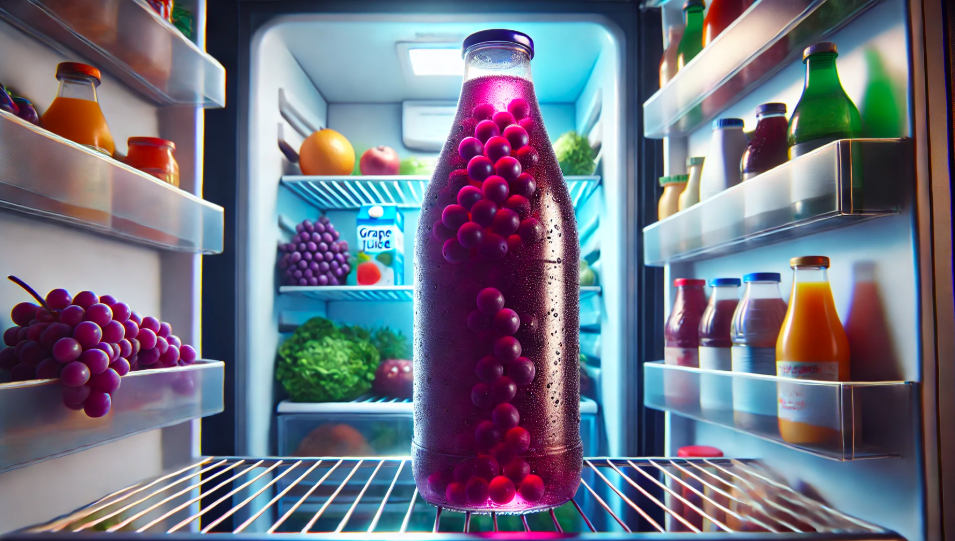
Grape juice is a delicious and refreshing drink, and like any other perishable product, it has a limited shelf life. The longevity of grape juice in the fridge can vary based on a few key factors. For unopened, commercially packaged grape juice, it can typically last 18 to 24 months when stored in a cool, dry place, such as your pantry. However, once opened, grape juice needs to be stored in the fridge and consumed within 7 to 10 days for optimal quality and safety.
If you’re unsure how long your opened grape juice has been in the fridge, always check for any signs of spoilage before consuming it. These could include an off smell, changes in color or texture, or an unusual taste. Grape juice that has passed its expiration date or been improperly stored may spoil faster, so it's essential to adhere to these time frames for the best quality and flavor.
Factors That Affect the Longevity of Grape Juice
The shelf life of grape juice depends on several factors, including the way it is stored, the type of packaging, and whether or not it has been pasteurized or treated in other ways. These factors can significantly impact the rate at which the juice deteriorates, which is why it's essential to consider each one.
- Storage Conditions: The way you store grape juice plays a vital role in how long it will last. Grape juice should be stored in a cool, dry place before opening. Once opened, it must be kept in the refrigerator to slow down the growth of bacteria and mold. If the juice is left out at room temperature for extended periods, it will spoil faster. Light and heat can accelerate the breakdown of nutrients in the juice and promote spoilage, so keeping grape juice away from sunlight and warmth is crucial.
- Packaging: The type of packaging your grape juice comes in can influence its shelf life. Glass bottles, plastic bottles, and tetra packs each have different levels of protection against air and moisture, which can impact how long the juice remains fresh. Most commercially packaged grape juices are sealed tightly to prevent air from entering the container. If the packaging is damaged or compromised, it can lead to contamination and spoilage. Always inspect the packaging before purchasing grape juice, and if you notice any dents, cracks, or leaks, it's best to avoid it.
- Pasteurization and Treatment: Grape juice is typically pasteurized to kill any harmful bacteria and extend its shelf life. Pasteurized juice tends to last longer than fresh, unpasteurized juice because the heat treatment reduces the number of microorganisms that cause spoilage. Fresh or organic grape juice, which is typically unpasteurized, will spoil more quickly than store-bought, pasteurized options. If you're buying fresh grape juice, be sure to consume it within a few days of opening it, as it has a much shorter shelf life.
Signs That Grape Juice Has Gone Bad
It is essential to check your grape juice for signs of spoilage, especially if it has been in the fridge for a while. Grape juice can go bad due to exposure to bacteria, mold, or improper storage. Here are some of the most common signs that grape juice has gone bad:
- Off Odor: The first sign that your grape juice has gone bad is a change in smell. Fresh grape juice has a sweet, fruity aroma. If it starts to smell sour, fermented, or unpleasant, it’s a strong indication that the juice is no longer safe to consume. Any unusual or foul odor is a sign that bacteria or yeast has begun to grow in the juice.
- Color and Clarity: Grape juice is typically a deep purple or red color, depending on the type of grapes used. If you notice that the juice has become cloudy, discolored, or darker than usual, it could be a sign that it’s spoiling. Fresh grape juice should be clear and vibrant in color. Any visible particles or changes in color indicate that the juice may have begun to ferment or develop mold.
- Taste: When in doubt, give the juice a taste. Fresh grape juice is sweet and slightly tangy, depending on the type. If the taste has changed to something sour or fermented, the juice has likely gone bad and should be discarded. Do not drink juice that has an off taste as it could lead to stomach upset or other health issues.
- Mold: If you notice visible mold on the surface of the juice, it is definitely spoiled and should be thrown out immediately. Mold growth occurs when the juice is exposed to air for too long or stored improperly. Mold can be harmful and should not be consumed under any circumstances.
How to Store Grape Juice for Maximum Freshness
To maximize the freshness and longevity of your grape juice, proper storage is essential. Here are some storage tips to help you keep your grape juice fresh for as long as possible:
- Refrigerate After Opening: Once you’ve opened a bottle or carton of grape juice, it’s important to store it in the fridge. The cold temperature helps slow down the growth of bacteria and other microorganisms that cause the juice to spoil. Always make sure the lid or cap is tightly sealed to prevent air from getting inside the container.
- Store Unopened Juice in a Cool, Dry Place: Before opening, store unopened grape juice in a cool, dry place such as your pantry. Keep it away from heat sources like stoves, ovens, and direct sunlight. Heat and light can cause the juice to degrade faster, so it’s best to keep it in a temperature-controlled environment. Always check the "best by" or expiration date on the bottle to ensure you’re consuming it before it expires.
- Avoid Contamination: Always use clean utensils, such as a spoon or measuring cup, when pouring grape juice. Contamination from dirty hands or utensils can introduce bacteria or mold spores into the juice, causing it to spoil prematurely. Additionally, never drink directly from the bottle, as saliva can introduce harmful bacteria into the juice.
- Use Smaller Containers for Leftovers: If you have leftover grape juice that you don’t think you’ll finish in a few days, consider transferring it into a smaller container before refrigerating. This reduces the amount of air in contact with the juice, which can slow down the spoiling process. Smaller containers are also easier to seal tightly, which helps keep the juice fresh longer.
Can You Freeze Grape Juice for Longer Storage?
Yes, freezing grape juice is a great option for extending its shelf life. While freezing may alter the texture and flavor slightly, it can help you store grape juice for an extended period. If you want to freeze grape juice, here’s what you need to know:
- Freezing Process: Pour the grape juice into an airtight container, leaving about half an inch of space at the top. This space is necessary because liquids expand when frozen, and too little space could cause the container to crack. You can also freeze the juice in ice cube trays for smaller portions.
- Freezing Duration: Frozen grape juice can last 8 to 12 months in the freezer. However, for the best taste and quality, it’s best to consume it within the first 6 months. After that, the juice may begin to lose some of its original flavor and sweetness.
- Thawing: To thaw frozen grape juice, transfer it to the fridge and allow it to thaw slowly over 12 to 24 hours. Once thawed, shake the container well before drinking, as some separation may occur during freezing. Thawed juice may have a slightly different taste or texture but should still be safe to drink.
How to Extend the Shelf Life of Grape Juice
To ensure that your grape juice lasts as long as possible and stays fresh, follow these tips for extending its shelf life:
- Store Properly: Always store opened grape juice in the refrigerator and unopened juice in a cool, dry place. Proper storage is key to extending the shelf life of your juice and preventing spoilage.
- Use Clean Utensils: Avoid introducing contaminants into the juice by using clean utensils when pouring. Bacteria and mold can easily develop if the juice comes into contact with dirty hands or utensils.
- Check for Freshness Regularly: Keep an eye on the juice for any signs of spoilage, such as off smells, discoloration, or mold. The sooner you detect spoilage, the sooner you can dispose of the juice and prevent it from affecting the rest of your stored beverages.
- Consider Freezing: If you’re not planning to consume the grape juice within a few days, consider freezing it for longer storage. Freezing helps preserve the quality of the juice for several months, making it a great option for reducing waste.
By following these steps, you can enjoy fresh, tasty grape juice for as long as possible. Proper storage, careful handling, and regular checks for spoilage will ensure that your grape juice remains safe to drink and retains its delicious flavor.