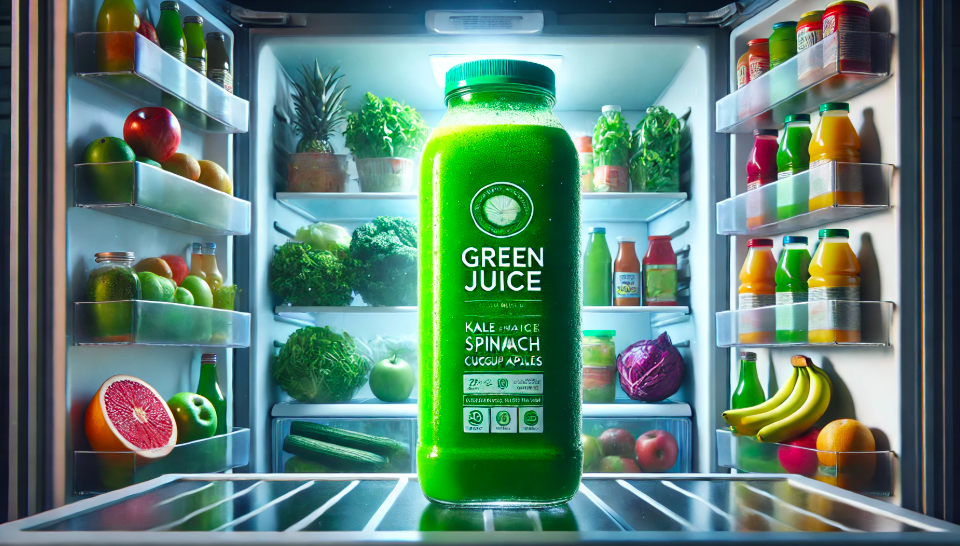
Green juice typically lasts about 24 to 72 hours in the fridge, depending on how it is stored and the ingredients used. Freshly made green juice will generally stay good for up to 3 days when stored properly in an airtight container. After this period, the quality, taste, and nutrient levels may begin to degrade. For optimal taste and nutrition, it's best to consume it as soon as possible.
Shelf Life of Freshly Made Green Juice
The shelf life of freshly made green juice is influenced by several factors, including the type of ingredients, preparation methods, and storage conditions. Generally, green juice lasts around 2 to 3 days in the refrigerator. However, if preservatives or pasteurization are not used, the juice may start to lose its nutrients and flavor quickly. Freshly made juices without preservatives will have a shorter shelf life compared to bottled juices with added stabilizers. To maximize its lifespan, consume it as soon as possible.
How to Store Green Juice for Maximum Freshness
To preserve the freshness of green juice, store it in an airtight glass jar or bottle to prevent oxidation. Glass containers are preferred because they don’t interact with the juice, unlike plastic containers. Ensure that the container is filled to the top to minimize air exposure, which can cause the juice to spoil faster. Keep the juice refrigerated at a constant temperature below 40°F (4°C). If possible, avoid opening the container frequently, as exposure to air can speed up the degradation process.
Signs That Green Juice Has Gone Bad
- Off Smell: A sour or rancid smell indicates bacterial growth, signaling that the juice has spoiled.
- Color Change: If the juice becomes darker or dull, it’s a sign of oxidation and deterioration.
- Texture Change: If the juice separates and cannot be mixed back together, it may be spoiled.
- Unpleasant Taste: A bitter or unpleasant taste means the juice has gone bad and should be discarded.
Factors That Affect the Longevity of Green Juice
- Type of Ingredients: Leafy greens like spinach and kale spoil more quickly than fruits, affecting juice longevity.
- Juicer Type: Juicers that extract juice with minimal heat (like cold-pressed juicers) tend to preserve nutrients longer.
- Storage Methods: Exposure to light or air accelerates degradation, while proper storage can help extend freshness.
- Container Choice: Plastic containers can cause juice to spoil more quickly; glass containers are a better option for longer shelf life.
- Freshness of Ingredients: The freshness of the ingredients used, as well as how well they were cleaned and prepared, impacts the juice's longevity.
Can You Freeze Green Juice?
Yes, you can freeze green juice, but it may change in texture once thawed. Freezing helps extend the shelf life of green juice for up to 6 months. To freeze green juice, store it in a freezer-safe container, leaving space for expansion. It is best to freeze the juice in smaller portions, so you can thaw only what you need. After thawing, the juice might separate and lose some of its fresh taste, but it can still be consumed. To maintain some texture and flavor, consider adding fresh ingredients after thawing to rejuvenate the juice.
Best Practices for Extending the Freshness of Green Juice
- Use a Tightly Sealed Glass Container: Store juice in a glass container with a tight seal to minimize oxidation and preserve freshness.
- Store in the Coldest Part of the Refrigerator: Keep the juice in the coldest section of the fridge to maintain its quality for longer.
- Opt for Cold-Pressed Juicers: Use cold-pressed juicers, as they extract juice more gently and preserve more nutrients compared to traditional juicers.
- Freeze Immediately: If you plan to freeze the juice, do so as soon as possible after making it to lock in freshness.
- Avoid Long-Term Freezing: Don’t store the juice for too long in the freezer to prevent nutrient degradation.
- Drink Fresh: For the best taste and nutritional benefits, consume the juice soon after making it.