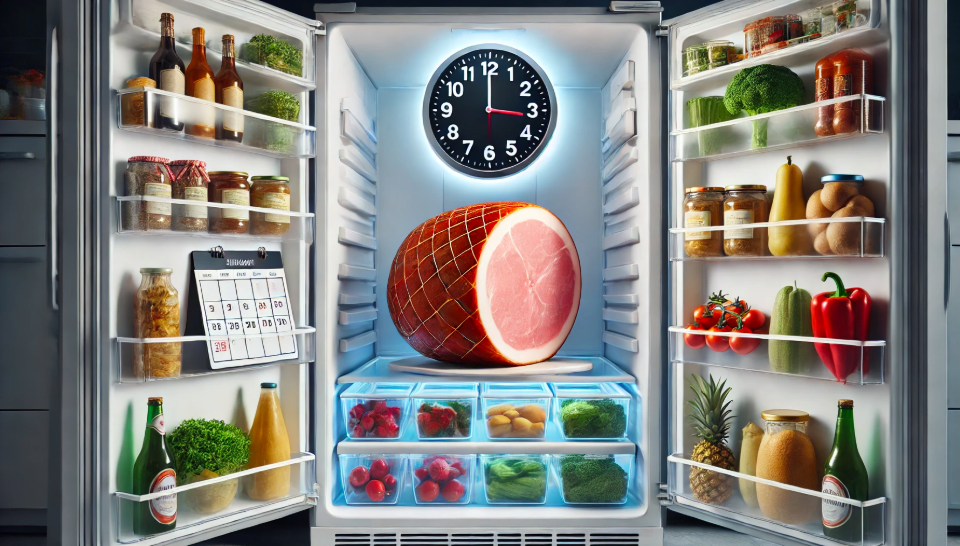
Ham can stay good in the fridge depending on how it is stored and its type. Unopened packaged ham typically lasts 5-7 days beyond the "use by" date. Opened ham or cooked ham, once refrigerated, should be consumed within 3-5 days to ensure freshness and safety. Proper storage, such as keeping the ham in airtight packaging or tightly wrapped, helps maintain its quality. Always check for signs of spoilage like a sour smell, slimy texture, or discoloration, and discard the ham if you notice these changes. For longer storage, consider freezing it.
How to Properly Store Ham in the Refrigerator
Properly storing ham in the refrigerator is essential to maintain its freshness and safety. Here's how to do it:
1. Refrigeration Temperature: Keep your refrigerator at or below 40°F (4°C) to slow bacterial growth and preserve food quality.
2. Wrapping and Packaging:
- Unopened Ham: Store it in its original packaging until you're ready to use it.
- Opened Ham: After opening, wrap the ham tightly in plastic wrap or aluminum foil to prevent air exposure, which can lead to drying out.
3. Storage Duration:
- Unopened Cooked Ham: Can last up to two weeks in the refrigerator.
- Opened Cooked Ham: Should be consumed within 3 to 5 days.
4. Placement in the Refrigerator: Store ham in the coldest part of the refrigerator, typically the bottom shelf, to maintain a consistent temperature.
Can You Extend the Life of Ham by Freezing It?
Freezing ham is an effective way to extend its shelf life. When properly stored in the freezer, ham can last for several months while maintaining its quality. The exact duration depends on the type of ham and how it's prepared:
- Fresh, uncured, uncooked ham: Up to 6 months
- Fresh, uncured, cooked ham: 3 to 4 months
- Cured, cook-before-eating ham (sliced or whole): 3 to 4 months
- Fully cooked, unopened ham: 1 to 2 months
- Cooked, whole ham: 1 to 2 months
- Cooked slices, half, or spiral ham: 1 to 2 months
- Cooked country ham: 1 month
To freeze ham effectively:
- Cool and Dry: Ensure the ham is completely cooled and dry to prevent ice crystals from forming.
- Wrap Properly: Wrap the ham tightly in plastic wrap or aluminum foil to protect it from freezer burn.
- Use Airtight Containers: Place the wrapped ham in a freezer-safe bag or airtight container to maintain its quality.
Best Practices for Reheating Refrigerated Ham
Reheating refrigerated ham while keeping it moist and flavorful can be achieved through several methods:
Oven Method:
- Preheat the Oven: Set your oven to 325°F (163°C).
- Prepare the Ham: Place the ham slices in an oven-safe dish. Add a small amount of water or broth to the bottom to maintain moisture.
- Cover the Dish: Tightly cover the dish with aluminum foil to trap steam.
- Reheat: Bake for about 10 minutes, or until the ham is heated through. For larger pieces, it may take longer.
Microwave Method:
- Arrange the Ham: Place ham slices on a microwave-safe plate.
- Add Moisture: Cover the slices with a damp paper towel to prevent drying.
- Heat: Microwave on medium power for 1-2 minutes, checking to ensure even heating.
Stovetop Method:
- Heat a Skillet: Place a non-stick skillet over medium heat.
- Add Liquid: Pour a small amount of water or broth into the skillet.
- Reheat the Ham: Add ham slices, cover, and heat for about 3-4 minutes, turning once, until warmed through.
Factors That Affect Ham's Freshness in the Fridge
Several factors influence how long ham stays fresh in the refrigerator:
- Type of Ham: Different hams have varying shelf lives. For example, uncooked fresh ham lasts about 3 to 5 days, while cooked ham can last 5 to 7 days when stored properly.
- Packaging: Proper packaging helps maintain freshness. Vacuum-sealed packaging extends shelf life compared to loosely covered ham.
- Storage Location: Storing ham in the coldest part of the fridge, usually the back, helps maintain its freshness.
- Handling Practices: Minimizing exposure to air by tightly wrapping ham and avoiding cross-contamination with other foods are essential for maintaining freshness.
Signs That Ham Has Gone Bad
To determine if ham has spoiled, look for the following signs:
- Unpleasant Odor: Fresh ham has a mild, meaty smell. If it emits a sour, sulfur-like, or rotten odor, it has likely gone bad.
- Color Changes: Ham should be pink. If it turns gray, brown, green, or any unusual color, it's a sign of spoilage.
- Slimy or Sticky Texture: A slimy or sticky surface indicates bacterial growth, suggesting the ham is no longer safe to eat.
- Mold Growth: Visible mold spots on ham are a clear indication of spoilage. Such ham should be discarded immediately.
- Past Expiration Date: Always check the "use by" or "best by" date on the packaging. Consuming ham past this date increases the risk of spoilage.
If you notice any of these signs, it's best to discard the ham to avoid potential health risks.