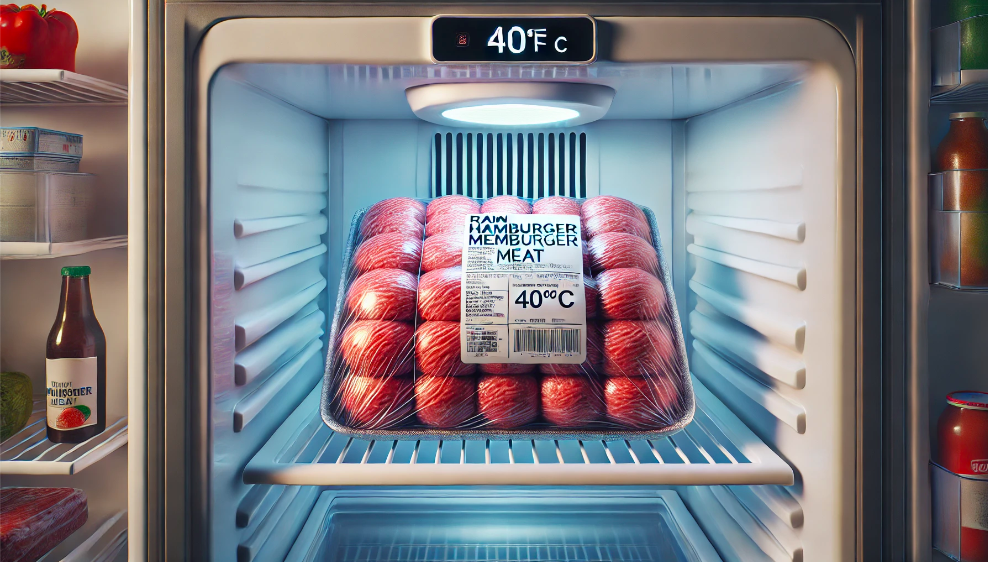
Hamburger meat typically lasts 1 to 2 days in the refrigerator when stored properly at a temperature below 40°F (4°C). If the meat was packaged fresh, the clock starts from the day you bring it home. Cooked hamburger meat lasts slightly longer, about 3 to 4 days, provided it’s stored in an airtight container. Always check the "use-by" date if available and consume it promptly for optimal safety.
Understanding The Shelf Life Of Hamburger Meat
The shelf life of hamburger meat depends on factors like its freshness, storage temperature, and exposure to air. Fresh ground beef has a shorter shelf life compared to pre-packaged or vacuum-sealed meat because it's more prone to bacterial growth. Ground meat is especially sensitive since grinding increases the surface area, providing more opportunities for bacteria to develop. Refrigeration slows bacterial growth but doesn’t stop it completely, which is why the meat should be used within 1 to 2 days.
How To Identify Spoiled Hamburger Meat
Spoiled hamburger meat can be identified by several signs:
- Appearance: Fresh hamburger meat should be bright red on the surface. If it turns dull gray or brown and develops slimy spots, it’s a warning sign.
- Odor: Spoiled meat emits a sour or ammonia-like smell, which is a clear indicator of bacterial growth.
- Texture: A sticky or tacky texture often suggests spoilage. Fresh meat should feel firm and moist but not sticky.
- Packaging: If the packaging is bloated or has holes, air exposure might have caused spoilage.
When in doubt, it’s better to discard the meat than risk food poisoning.
Does Cooking Extend The Lifespan Of Hamburger Meat?
Cooking hamburger meat kills bacteria, which helps extend its usability. However, even after cooking, it should be stored properly in an airtight container in the fridge and consumed within 3 to 4 days. Cooking doesn’t make spoiled meat safe, so always ensure the meat is fresh before preparing it. For longer storage, you can freeze cooked hamburger meat for up to 3 months.
Best Practices For Refrigerating Hamburger Meat
- Temperature Control: Keep your refrigerator at or below 40°F (4°C) to slow bacterial growth.
- Storage Location: Store the meat in the coldest part of the fridge, ideally on the bottom shelf to avoid cross-contamination.
- Use Airtight Containers: Transfer the meat to a sealed container or use a resealable plastic bag to minimize air exposure.
- Quick Refrigeration: Refrigerate the meat immediately after purchasing or cooking to maintain freshness.
- Don’t Wash Meat: Washing can spread bacteria to other surfaces in your kitchen.
Frozen Vs. Refrigerated Hamburger Meat: Key Differences
The primary difference between frozen and refrigerated hamburger meat is the duration of safe storage:
- Refrigerated Meat: Lasts up to 1 to 2 days for fresh meat and 3 to 4 days if cooked.
- Frozen Meat: Properly wrapped hamburger meat can last 3 to 4 months in the freezer without significant quality loss. Freezing halts bacterial growth but doesn’t kill bacteria, so thawed meat should be cooked immediately. Another difference is texture—freezing may slightly alter the texture of the meat, especially if not packaged tightly to prevent freezer burn.
The Role Of Packaging In Preserving Hamburger Meat
Packaging plays a crucial role in maintaining the freshness and safety of hamburger meat.
- Vacuum-Sealed Packaging: Extends the shelf life significantly by removing air, which reduces bacterial growth.
- Plastic Wrap or Butcher Paper: Offers short-term protection but should be replaced with airtight bags for longer storage.
- Freezer-Safe Packaging: Prevents freezer burn and maintains meat quality during extended storage. Damaged or poorly sealed packaging accelerates spoilage because it allows air and moisture to enter, creating an ideal environment for bacteria.
FAQs About Storing Hamburger Meat Safely
- Can you refreeze thawed hamburger meat? Yes, but only if it was thawed in the refrigerator and hasn’t been left at room temperature for more than two hours. Refreezing may affect texture but is safe if done properly.
- Is it safe to eat hamburger meat past the expiration date? It depends. If the meat has been stored correctly and shows no signs of spoilage, it may still be safe within a day or two of the date. However, it’s better to adhere to the expiration date.
- How do you prevent freezer burn on hamburger meat? Wrap the meat tightly in freezer-safe materials like vacuum-sealed bags or double layers of plastic wrap and foil to minimize air exposure.
- What temperature should frozen hamburger meat be stored at? Keep frozen hamburger meat at 0°F (-18°C) or below to ensure maximum safety and freshness.
- Why does hamburger meat turn brown in the fridge? Browning occurs due to oxidation, which happens when myoglobin (a protein in meat) reacts with oxygen. While brown meat isn’t necessarily spoiled, check for off smells or textures to be sure.