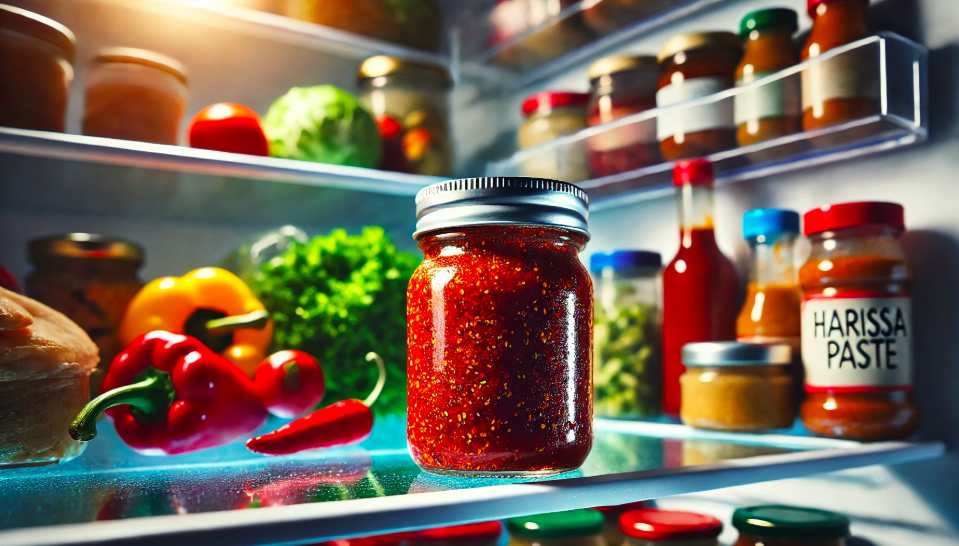
Harissa, a popular North African chili paste made with a variety of spices, is an essential ingredient in many Mediterranean and Middle Eastern dishes. However, its shelf life can depend on several factors, such as the ingredients, storage conditions, and whether it is homemade or store-bought. Typically, after opening, store-bought harissa can last in the refrigerator for about 1 to 6 months.
This is because commercial harissa often contains preservatives that help extend its shelf life. On the other hand, homemade harissa may not last as long, usually staying fresh for about 2 to 3 weeks in the fridge due to the lack of preservatives. If you notice any signs of spoilage, such as mold or an off smell, it’s best to discard the paste.
Factors Affecting The Shelf Life Of Harissa
The shelf life of harissa can vary significantly depending on several factors. These factors can either shorten or extend the paste's usability:
- Ingredients: The freshness of the ingredients plays a key role in how long harissa lasts. Harissa made with fresh ingredients, such as garlic, herbs, and chili peppers, tends to spoil quicker than commercially made versions, which contain preservatives. Some recipes may also include vinegar or lemon juice, which can help preserve the paste, but the overall freshness of the ingredients will still impact its longevity.
- Storage Conditions: How you store harissa can have a huge impact on how long it lasts. If you leave it exposed to air or do not store it in the fridge, bacteria and mold can develop much faster. Therefore, proper storage in an airtight container in the fridge is crucial to extending its shelf life.
- Contamination: Every time you dip a spoon or utensil into the harissa jar, you risk introducing bacteria, especially if the spoon is not clean. This can shorten the paste's shelf life. It is always best to use a clean, dry spoon each time you use harissa.
Proper Storage Tips For Harissa
To ensure that your harissa stays fresh for as long as possible, here are some simple and effective storage tips:
- Refrigerate After Opening: Once opened, harissa should always be refrigerated. The cool temperature of the fridge helps slow down the growth of bacteria and preserves its flavor. Store-bought harissa often recommends refrigeration after opening to keep it safe to eat for several months. Homemade harissa, on the other hand, should be consumed within a few weeks.
- Seal Tightly: Air exposure can lead to the paste losing its flavor or developing mold, so it's important to store it in a tightly sealed container. Glass jars or airtight plastic containers are great options to ensure the paste stays fresh.
- Use Clean Utensils: Every time you use harissa, be sure to use a clean spoon or utensil. If you dip a used or dirty spoon into the paste, you could introduce bacteria, which can cause the harissa to spoil much quicker. This is particularly important for homemade harissa, which lacks preservatives.
- Cover with Oil: One helpful tip for preserving the freshness of harissa is to pour a thin layer of olive oil over the paste. The oil acts as a barrier to air, which helps prevent mold growth and oxidation. If the paste is submerged in oil, it can last longer without spoiling.
Signs That Harissa Has Gone Bad
It’s important to check harissa for signs of spoilage before using it, as consuming spoiled harissa could lead to foodborne illness. Here are some clear indicators that harissa has gone bad:
- Mold: One of the most obvious signs that harissa has spoiled is the growth of mold. Mold will appear as fuzzy, green or white spots on the surface. If you notice any mold, it is important to throw away the entire container of harissa, as mold can spread throughout the paste.
- Off Smell: Harissa has a strong, spicy aroma when it is fresh, but if it starts to smell sour, rancid, or unpleasant, it’s a clear sign that the paste is no longer good. The odor of spoiled harissa can be unpleasant and may indicate bacterial growth or fermentation.
- Color Change: If your harissa begins to darken significantly or changes color in any way, it might have spoiled. While some slight darkening can occur naturally as harissa ages, a drastic color change could indicate that the paste is no longer fresh and may not be safe to eat.
- Separation: Harissa can sometimes separate when stored for a long time, but this isn't necessarily a sign that it's bad. However, if the separation is accompanied by an off smell or the paste looks overly dry or discolored, it's a good idea to discard it.
How To Extend The Shelf Life Of Homemade Harissa
Homemade harissa can have a shorter shelf life than store-bought versions, but there are several ways to extend its freshness:
- Sterilize Containers: When storing homemade harissa, it’s important to use sterilized containers to avoid introducing bacteria that could cause spoilage. Wash the jars or containers with hot, soapy water and dry them thoroughly before use.
- Add Oil Layer: Adding a thin layer of olive oil over the surface of homemade harissa can act as a seal, preventing air from reaching the paste. This oil barrier helps to preserve the flavor and prevent mold from developing.
- Freeze Portions: If you’ve made a large batch of harissa and don’t think you can use it up quickly enough, freezing portions is a great option. Divide the paste into smaller portions and store them in freezer-safe containers or bags. When you're ready to use it, thaw it in the fridge or at room temperature. Freezing can slightly alter the texture and flavor, but it will help preserve it for a much longer time.
Does Harissa Need To Be Refrigerated?
Yes, harissa should always be refrigerated once it has been opened. Refrigeration helps slow down the growth of bacteria, mold, and yeast, which can lead to spoilage. Store-bought harissa often contains preservatives that can prolong its shelf life, but even so, it is still important to refrigerate it after opening. Homemade harissa, with its natural ingredients and lack of preservatives, is even more susceptible to spoilage and should be stored in the fridge to keep it safe to eat for a longer period.
Best Containers For Storing Harissa In The Fridge
The right container is key to keeping your harissa fresh for as long as possible. Here are some options that work best for storing harissa in the fridge:
- Glass Jars: Glass jars are one of the best options for storing harissa. They are non-porous, so they won’t absorb the flavors or odors of the paste. They are also easy to clean and sterilize, making them a safe choice for long-term storage. Use airtight glass jars with tight-fitting lids to prevent exposure to air.
- Airtight Plastic Containers: Food-grade plastic containers are another option for storing harissa, as long as they are airtight. Plastic can absorb odors over time, but high-quality containers are durable and offer a good seal to keep the paste fresh.
- Small Plastic Bags: If you plan to freeze portions of harissa, small freezer-safe plastic bags work well. Be sure to remove excess air before sealing the bag, as this will prevent freezer burn and maintain the paste’s quality.