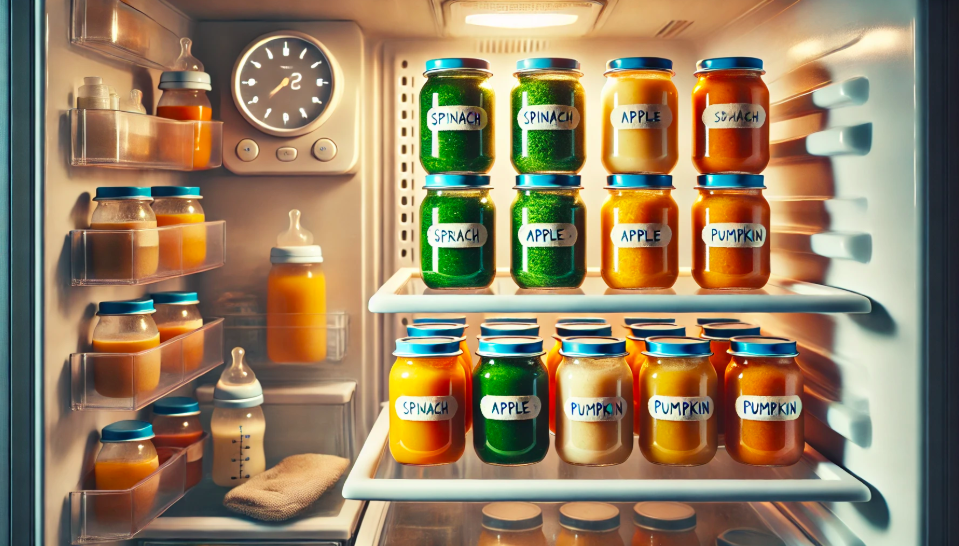
Homemade baby food typically lasts in the fridge for about 1 to 3 days, depending on the type of food and how it’s stored. Since baby food doesn't contain preservatives like store-bought products, it can spoil faster. To ensure safety, it’s important to store the food in airtight containers and place it in the fridge as soon as possible after preparation. Always check for any signs of spoilage before feeding it to your baby.
Factors Affecting The Shelf Life Of Homemade Baby Food
Several factors can influence how long homemade baby food lasts:
- Type of Food: Different foods have varying shelf lives. Pureed fruits or vegetables may last only a couple of days, while grains and meats can last a bit longer.
- Storage Conditions: The way the food is stored is crucial. If it's not in an airtight container or isn't cooled down quickly before refrigeration, the food may spoil faster.
- Handling and Hygiene: The cleanliness of the utensils and containers used, as well as how the food is handled during preparation, can affect its freshness.
- Moisture Content: Foods with higher moisture content are more prone to bacterial growth and spoil faster.
How Long Do Different Types Of Homemade Baby Food Last In The Fridge?
1. Pureed Fruits and Vegetables
Pureed fruits and vegetables last 1 to 3 days in the fridge. These foods have high water content, which can make them prone to spoilage. Always ensure they are stored in an airtight container, and avoid leaving them at room temperature for too long.
2. Cooked Meats and Poultry
Cooked meats and poultry can last 2 to 3 days in the fridge. These are protein-rich foods that, when properly stored, can maintain their freshness a bit longer than fruits and vegetables. It’s essential to make sure the meat is cooked thoroughly before pureeing and stored in an airtight container.
3. Grains and Cereal-Based Foods
Grains like rice, oats, and cereals typically last about 3 to 4 days in the fridge. These foods don’t spoil as quickly as fruits and vegetables but still need to be stored properly to avoid bacterial growth. Ensure that they’re cooled completely before refrigerating.
Signs That Homemade Baby Food Has Gone Bad
There are several clear signs that homemade baby food has spoiled:
- Off Smell: A sour or unusual odor is a strong indicator of spoilage.
- Discoloration: If the food changes color (e.g., brown spots or mold growth), it's time to discard it.
- Separation: In pureed foods, separation of liquid from the solid part could signal that the food is no longer safe.
- Texture Change: Foods that become slimy or mushy may not be safe to consume.
- Taste: If you taste the food and it has a sour or unpleasant flavor, it’s best not to feed it to your baby.
Tips For Storing Homemade Baby Food To Extend Freshness
- Cool the Food Quickly: Before placing the food in the fridge, allow it to cool at room temperature for no more than two hours. You can speed up the cooling process by using shallow containers.
- Use Airtight Containers: Store baby food in airtight glass or plastic containers to minimize exposure to air, which can cause spoilage.
- Label and Date: Always label containers with the date the food was made so you can keep track of how long it’s been in the fridge.
- Avoid Overloading the Fridge: Make sure the fridge is not too full. Proper air circulation helps keep foods at a safe temperature.
Best Storage Containers For Baby Food
The best containers for storing homemade baby food are those that are airtight, BPA-free, and easy to clean. Glass containers are a great choice since they don’t retain odors or stains. Silicone freezer trays with lids are also convenient for portioning out and freezing baby food. Small plastic containers or jars with secure lids are also useful for short-term storage in the fridge.
Can You Freeze Homemade Baby Food For Longer Storage?
Yes, you can freeze homemade baby food to extend its shelf life. Freezing is a great way to preserve food for up to 3 to 6 months, depending on the type of food. It helps maintain nutritional value while preventing spoilage. To freeze baby food, transfer the pureed food into ice cube trays or freezer-safe containers, and store them in the freezer. Always ensure that the food is cooled down before freezing.
How To Safely Thaw Frozen Baby Food
Thaw frozen baby food safely by placing it in the fridge overnight. Avoid thawing food at room temperature, as this can encourage bacterial growth. Alternatively, you can defrost baby food using the microwave or a double boiler, but it should be consumed immediately after thawing. Never refreeze food after it has been thawed.
Safety Precautions For Storing Baby Food
- Proper Temperature: Keep your fridge at 40°F (4°C) or lower to slow bacterial growth.
- Use Clean Utensils: Always use clean utensils when handling baby food to avoid contamination.
- Limit Food Handling: Avoid touching or handling the food too much to minimize the risk of introducing bacteria.
- Avoid Leaving Food Out: Never leave homemade baby food out at room temperature for more than two hours. If food has been sitting out longer, it’s better to discard it.