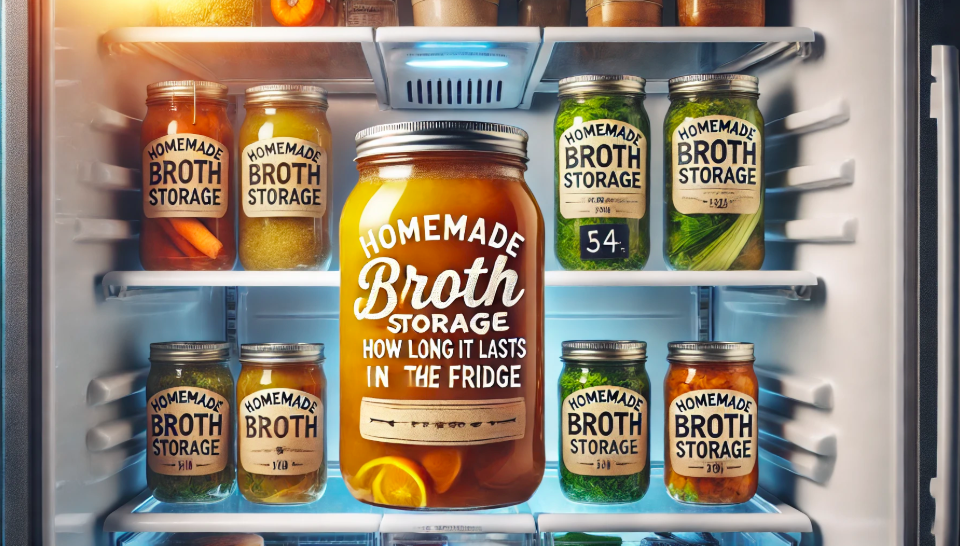
Homemade broth typically lasts for 3 to 4 days in the fridge if stored properly. To ensure it stays fresh, make sure the broth is cooled to room temperature before placing it in an airtight container and storing it in the refrigerator. It's important to refrigerate the broth as soon as it cools to prevent the growth of harmful bacteria. If you want to keep it for a longer period, freezing is a great option. Before using any leftover broth, always check for signs of spoilage, such as changes in smell, color, or texture, to ensure it’s still safe to consume.
Can You Freeze Homemade Broth for Longer Storage?
Yes, you can freeze homemade broth to store it for a longer time. Freezing helps keep the broth fresh and flavorful until you're ready to use it.
Steps to Freeze Homemade Broth:
- Cool the Broth: Let the broth cool completely to room temperature. This prevents condensation and ice crystals from forming, which can affect the broth's quality.
- Choose Containers: Use airtight containers or heavy-duty freezer bags. Glass jars are a good option, but leave some space at the top for expansion. Alternatively, silicone ice cube trays are great for freezing small portions.
- Portion the Broth: Divide the broth into portions that suit your needs. This way, you can thaw only what you need without wasting any.
- Seal and Label: Seal the containers tightly to prevent air from getting in, which can cause freezer burn. Label each container with the date and type of broth.
Tips for Extending the Shelf Life of Homemade Broth
To extend the shelf life of homemade broth, consider the following tips:
- Store in Airtight Containers: Transfer the cooled broth into airtight containers. This minimizes exposure to air, which can degrade quality and promote spoilage.
- Refrigerate Promptly: Place the sealed containers in the refrigerator at or below 40°F (4°C). Homemade broth can typically be stored in the fridge for 3 to 4 days.
- Freeze for Long-Term Storage: For extended storage, freeze the broth. Once cooled, pour it into freezer-safe containers or resealable plastic bags, leaving some space at the top for expansion. Label each container with the date to monitor freshness. Properly frozen, homemade broth can last for up to 4 to 6 months.
- Skim Off Fat Layer: After refrigerating, a layer of fat may form on top of the broth. This fat acts as a natural seal, helping to preserve the broth for a longer period. Ensure the fat layer remains intact to maintain freshness.
Best Practices for Reheating Homemade Broth
Reheating homemade broth properly is essential to maintain its flavor and ensure food safety. Here are some straightforward methods and tips:
Stovetop Method:
- Pour the Broth into a Pot: Transfer the desired amount of broth into a saucepan or pot.
- Heat Gently: Place the pot over medium heat. Stir occasionally to prevent sticking and ensure even heating.
- Monitor Temperature: Use a food thermometer to check that the broth reaches at least 165°F (74°C) to ensure it's safe to consume.
Microwave Method:
- Use a Microwave-Safe Container: Pour the broth into a microwave-safe bowl or container.
- Cover Loosely: Place a microwave-safe lid or cover over the container, leaving a small gap for steam to escape.
- Heat in Intervals: Microwave the broth on medium power in short intervals, stirring in between, until it reaches the desired temperature.
Signs That Homemade Broth Has Gone Bad
Homemade broth can spoil over time. To ensure it's safe to consume, look for these signs:
- Smell: Fresh broth has a pleasant, savory aroma. If it smells sour or off, it's likely spoiled.
- Appearance:
- Taste: If the broth tastes sour or has an unusual flavor, it's best to discard it.
- Texture: A slimy or watery consistency can be a sign of spoilage.
- Storage Time: Homemade broth should be used within 3 to 4 days when stored in the refrigerator.
If you notice any of these signs, it's safest to throw the broth away to avoid health risks.
Factors Affecting Homemade Broth Shelf Life
The shelf life of homemade broth depends on several key factors:
- Storage Temperature: Keeping your broth at a consistent and cold temperature is crucial. The refrigerator should be set at or below 40°F (4°C).
- Sealing and Containers: Using airtight containers can prevent contamination and help maintain the broth's quality.
- Ingredients Used: The type of ingredients used in your broth can also affect its shelf life. For instance, broths with high-fat content or dairy ingredients may spoil faster.
- Preparation Method: How you prepare your broth, including cooking time and sanitation practices, plays a role in its longevity.
- Cooling Process: Allowing the broth to cool to room temperature before refrigerating is important. Placing hot broth directly into the refrigerator can raise the internal temperature, creating a hospitable environment for bacteria.
- Hygiene Practices: Ensuring all utensils and containers are sanitized can prevent bacterial contamination.