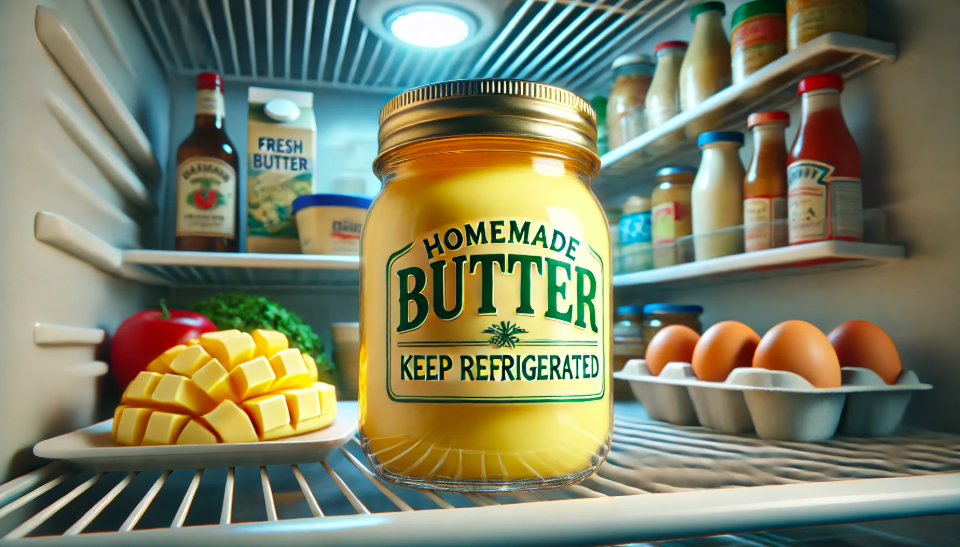
Homemade butter, unlike commercially processed butter, does not have preservatives, so its shelf life depends on how it is prepared and stored. If prepared and stored correctly, homemade butter can last anywhere from 7 days to 3 months in the refrigerator. The exact duration depends on factors like whether the butter was thoroughly rinsed to remove all buttermilk, if salt was added as a natural preservative, and how it is stored. Buttermilk residue is one of the primary causes of spoilage because it introduces moisture and bacteria, which promote faster deterioration.
Additionally, the freshness of the cream used to make the butter also plays a role. If the cream was nearing its expiration date, the resulting butter might not last as long as butter made from fresher cream. To ensure a longer shelf life, homemade butter should be stored in an airtight container, which helps prevent it from absorbing odors from other foods in the refrigerator and reduces exposure to air, which can cause it to turn rancid.
Factors That Affect the Shelf Life of Homemade Butter
Several factors determine how long your homemade butter will remain fresh and safe to use. Understanding these factors can help you take the necessary steps to extend its shelf life.
- Buttermilk Content Buttermilk is the liquid that separates from the butterfat during the churning process. If not completely removed, it can lead to faster spoilage because it contains water and proteins that encourage bacterial growth. Thoroughly rinsing the butter under cold water and kneading it helps to remove any remaining buttermilk.
- Salt Content Salt is a natural preservative that can significantly extend the shelf life of butter. Adding salt to your homemade butter not only enhances its flavor but also helps inhibit the growth of bacteria and mold. Salted butter can last longer than unsalted varieties, making it a preferred option for those who want to store their butter for a more extended period.
- Quality of Ingredients The cream used to make butter should be fresh. Using cream that is close to its expiration date will result in butter that spoils faster. Always check the freshness of your cream before starting the churning process.
- Storage Environment Proper storage is crucial for maintaining the quality of homemade butter. Exposure to air, light, and fluctuating temperatures can cause butter to spoil more quickly. Storing the butter in a cool, dark place, like a refrigerator, in an airtight container ensures it stays fresh longer.
- Hygiene During Preparation The cleanliness of the tools and surfaces used during the butter-making process also affects its shelf life. Using sanitized equipment and clean hands helps reduce the risk of introducing bacteria, which can cause the butter to spoil prematurely.
Proper Storage Techniques for Homemade Butter
To maximize the shelf life of homemade butter, it is essential to store it properly. Follow these techniques to keep your butter fresh and flavorful:
- Rinse Thoroughly After the churning process, wash the butter under cold water. This step is crucial for removing all traces of buttermilk, which can lead to spoilage. Kneading the butter under cold water ensures that any residual buttermilk is completely rinsed out.
- Wrap Tightly Once the butter is prepared, wrap it tightly in wax paper, parchment paper, or plastic wrap. This helps prevent exposure to air, which can cause the butter to oxidize and develop a rancid taste.
- Store in Airtight Containers Airtight containers are ideal for storing homemade butter. They protect the butter from air and moisture, both of which can cause it to spoil faster. Ensure the container is clean and dry before use.
- Refrigerate Immediately Always refrigerate homemade butter as soon as it is prepared. The cold temperature slows down the growth of bacteria and mold, extending the butter’s freshness.
- Avoid Contamination When using the butter, always use a clean utensil to prevent contamination. Introducing crumbs or other food particles can shorten the shelf life of the butter.
Signs That Homemade Butter Has Gone Bad
It’s essential to recognize the signs that indicate homemade butter is no longer safe to use. Spoiled butter can affect the taste of your food and may even pose health risks.
- Unpleasant Smell Fresh butter has a mild, creamy aroma. If your butter starts to smell sour, rancid, or otherwise unpleasant, it is likely spoiled and should be discarded.
- Discoloration Butter that has gone bad may develop a darker yellow color or even streaks of green, blue, or gray, indicating mold or bacterial growth.
- Change in Texture Spoiled butter may feel slimy or sticky to the touch. These changes in texture suggest bacterial activity and the breakdown of the butter’s fats.
- Mold Growth Visible mold, in any color, is a clear sign that the butter is no longer safe to consume. Mold can spread even if it’s only visible on the surface, so the entire block of butter should be discarded.
- Off Taste If the butter tastes sour or bitter, it is likely spoiled. Avoid consuming it and dispose of it immediately.
Can You Extend the Shelf Life of Homemade Butter?
Yes, there are several ways to extend the shelf life of homemade butter. These methods involve proper storage and preservation techniques:
- Freezing Butter Freezing is one of the most effective ways to preserve butter. Properly wrapped homemade butter can last up to 6 months in the freezer. Ensure the butter is wrapped in its original wax or parchment paper, then add an extra layer of aluminum foil or place it in a freezer-safe zip-top bag to prevent freezer burn.
- Adding Salt Incorporating salt into homemade butter acts as a natural preservative. Salted butter has a longer shelf life than unsalted varieties, making it a practical option for those who want to store their butter for extended periods.
- Using Vacuum Sealing If you have access to a vacuum sealer, use it to remove air from the butter’s packaging. This reduces exposure to oxygen, which causes rancidity, and extends the butter’s freshness.
- Refrigerating in Smaller Portions Dividing homemade butter into smaller portions before refrigerating or freezing can make it easier to use only what you need while keeping the remaining butter fresh.
Freezing Homemade Butter: Is It a Good Option?
Freezing is an excellent method to preserve the quality of homemade butter for long-term storage. Here’s why it works and how to do it effectively:
- Preserves Freshness Butter freezes well without losing its flavor or texture. Freezing slows down the chemical processes that cause spoilage, keeping the butter fresh for up to 6 months.
- Convenient Storage Freezing butter allows you to make large batches and store them for future use. This is particularly helpful if you churn butter infrequently or if you want to have a stockpile on hand for cooking and baking.
- Simple Process To freeze homemade butter, wrap it tightly in wax paper or parchment paper, followed by aluminum foil. Place the wrapped butter in a freezer-safe bag or container to prevent freezer burn. Label the package with the date so you can keep track of its freshness.
- Usage Tips Frozen butter can be used directly in cooking and baking without the need to thaw. For spreading or other uses, let it soften at room temperature for a few minutes before using.