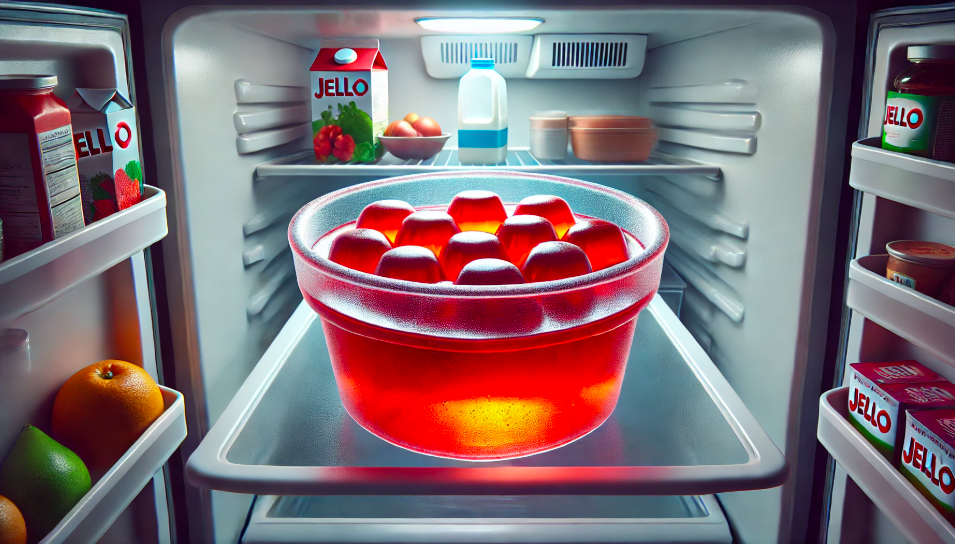
Homemade Jello can last anywhere from 7 to 10 days when stored properly in the fridge. The shelf life largely depends on how it’s prepared, stored, and handled. It’s important to ensure that the Jello is tightly covered and kept at a consistent temperature in the refrigerator.
If left exposed or improperly sealed, the texture and taste may degrade faster. After the initial 7 days, the Jello may start to lose its freshness, and although it might still be safe to eat, the texture might become less appealing. Generally, it's best to enjoy homemade Jello within the first week to get the best flavor and consistency. However, always check for any signs of spoilage before consuming, like an off smell or discoloration.
Factors Affecting The Shelf Life Of Homemade Jello
Ingredients: The type of ingredients used affects freshness. Adding fresh fruits or dairy can shorten its shelf life.
Storage Method: Proper sealing and storage in an airtight container can help maintain freshness longer.
Temperature: Jello stored at a consistent, cold temperature in the fridge lasts longer.
Exposure to Air: Leaving Jello exposed to air can cause it to dry out or spoil faster.
Contamination: Handling with unclean utensils or hands can introduce bacteria, reducing shelf life.
How To Properly Store Homemade Jello
To ensure homemade Jello lasts as long as possible, it’s important to store it correctly. First, let the Jello set completely in the fridge. Once it's fully set, transfer the Jello to an airtight container or cover the dish with plastic wrap or a lid. Make sure the container is sealed tightly to prevent exposure to air, which can cause the Jello to dry out or spoil more quickly.
If you’ve made large portions, consider dividing the Jello into smaller portions before storing, as this allows you to remove only what you need without exposing the rest to air. It's also a good idea to place the container on a shelf in the fridge, away from items that may have strong odors, as Jello can absorb odors from other foods.
Signs That Your Homemade Jello Has Gone Bad
A sour or unusual odor is a strong sign that the Jello is no longer safe to eat.
Change in Texture: If the Jello becomes slimy, overly watery, or too firm, it has likely spoiled.
Mold Growth: Visible mold on the surface means it’s time to throw the Jello away.
Discoloration: Unusual or darker color changes, especially after several days, can indicate spoilage.
Can You Freeze Homemade Jello To Extend Its Shelf Life?
Freezing homemade Jello is possible but it’s not always recommended. Freezing can alter the texture of Jello, making it less smooth and slightly watery once thawed. The gelatin structure can be affected, causing it to lose its original consistency. If you decide to freeze Jello, ensure it is properly covered and stored in an airtight container to prevent freezer burn.
When ready to use, allow it to thaw in the fridge, not at room temperature, to maintain the best texture possible. While freezing will extend its shelf life, the quality might not be as good as when it’s freshly made and stored in the fridge. If texture isn’t as important, freezing can be a useful option to prevent waste.
How To Revive Homemade Jello That Has Lost Its Freshness
If your homemade Jello has lost some of its freshness, there are a few tricks to revive it, though the texture may not be the same as when it was first made. If the Jello has become too firm or jelly-like, you can try to soften it by adding a bit of hot water or fruit juice to loosen it up. Gently stir the Jello to break up the solidified pieces and incorporate the liquid until you reach a smoother texture.
However, if the Jello has become too watery or slimy, it may be best to discard it, as it’s difficult to revive to its original consistency. In some cases, you can re-melt the Jello by gently heating it in a saucepan, but this should be done cautiously to avoid overheating and ruining the texture. While these methods may help a bit, the Jello may never be quite the same as when it was freshly made.
Best Practices For Storing Jello For Parties Or Events
When preparing Jello for a party or event, proper storage is essential to maintain its freshness and quality. For large batches, it’s important to prepare the Jello in advance, allowing it enough time to fully set in the fridge. To keep it fresh, store the Jello in large, shallow containers rather than deep bowls, as this allows it to cool and set evenly. If you're making individual servings, small cups or bowls can make it easy to serve while keeping portions fresh.
For a party, try to avoid exposing the Jello to room temperature for too long. If you need to transport Jello, consider using an insulated cooler with ice packs to keep it cold. Finally, if you want to decorate or serve Jello with toppings, wait until right before serving to add these extras to maintain the texture of the Jello. By following these tips, you can ensure your homemade Jello stays fresh and enjoyable for your guests.