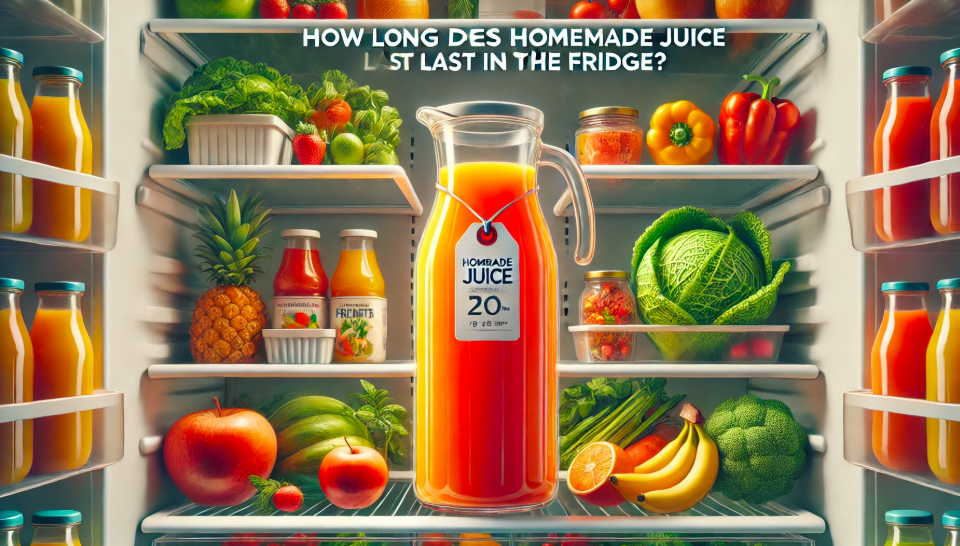
Homemade juice can last in the fridge for about 2 to 3 days if stored properly in a sealed, airtight container. Freshly made juice starts losing its nutrients quickly, so it’s best to consume it as soon as possible. To keep it fresh longer, store it in the coldest part of the fridge and avoid exposure to air and light. If the juice smells sour, looks discolored, or tastes off, it’s a sign that it has gone bad and should not be consumed.
Ideal Storage Conditions for Homemade Juice
To keep your homemade juice fresh and safe, follow these guidelines:
- Use Clean Equipment: Ensure all juicing tools are thoroughly cleaned before use to prevent contamination.
- Choose Fresh Ingredients: Select ripe, unblemished fruits and vegetables, and wash them well before juicing.
- Store in Airtight Containers: Pour the juice into airtight glass containers, filling them to the top to minimize air exposure. Avoid plastic containers, as they can leach chemicals into the juice.
- Refrigerate Promptly: Place the juice in the refrigerator immediately after preparation. Homemade juice typically lasts 24-72 hours when properly stored in the fridge.
- Add Citrus for Preservation: Incorporating lemon, lime, or grapefruit juice can help reduce nutrient loss due to their vitamin C content and antioxidants.
Shelf Life of Homemade Juice in the Fridge
Homemade juices stored in the refrigerator typically remain fresh for up to three days. After this period, the quality of phytochemicals and micronutrients begins to decline. To extend shelf life and ensure safety, some manufacturers use methods like pasteurization or high-pressure processing (HPP), which can allow juices to be stored for about 30 days.
Tips to Extend the Freshness of Homemade Juice
To keep your homemade juice fresh for longer, consider the following tips:
1.Use Airtight Glass Containers: Store your juice in airtight glass containers, such as mason jars, to prevent air from entering and causing spoilage. Glass is preferable to plastic, as it doesn't leach chemicals into the juice.
2.Refrigerate Immediately: After juicing, place your juice in the refrigerator promptly to slow down bacterial growth and oxidation. Fresh juice can last up to 3-4 days when properly refrigerated.
3.Fill Containers to the Top: When storing juice, fill the container to the brim to minimize air exposure, which can lead to oxidation and spoilage. If freezing, leave some space for expansion.
4.Use a Vacuum Sealer: If available, vacuum seal your juice containers to remove air, reducing oxidation and prolonging shelf life.
5.Keep Equipment Clean: Ensure all juicing equipment is thoroughly cleaned before use to prevent contamination, which can lead to quicker spoilage
Factors Affecting the Longevity of Homemade Juice
The shelf life of homemade juice depends on several key factors:
- Type of Juicer Used: The juicing method influences how long the juice stays fresh. Juices made with centrifugal juicers typically last up to 24 hours, while those from masticating (cold-press) juicers can remain fresh for 2 to 3 days when refrigerated.
- Type of Produce: The ingredients used affect the juice's longevity. Citrus juices, like orange or lemon, tend to have a shorter lifespan, often lasting between 24 to 72 hours in the fridge.
3.Acidity of the Juice: Juices with higher acidity levels, such as those containing citrus fruits, naturally inhibit bacterial growth, potentially extending shelf life.
Signs That Homemade Juice Has Gone Bad
To determine if your homemade juice has spoiled, look for the following signs:
- Unpleasant Smell: Fresh juice has a natural, pleasant aroma. If it emits a sour or off-putting odor, it's likely spoiled.
- Change in Color: Spoiled juice may appear darker or develop an unusual hue. For example, lemon juice that has gone bad often darkens.
- Off Taste: A sour, bitter, or otherwise unpleasant taste indicates spoilage.
- Cloudiness or Sediment: Fresh juice is typically clear. Cloudiness or unexpected sediment can be a sign of bacterial growth.
- Fizziness or Bubbles: If the juice becomes fizzy or carbonated without intentional fermentation, it may be fermenting due to spoilage.
- Mold Growth: Visible mold on the surface or inside the container is a clear indication that the juice is unsafe to consume.