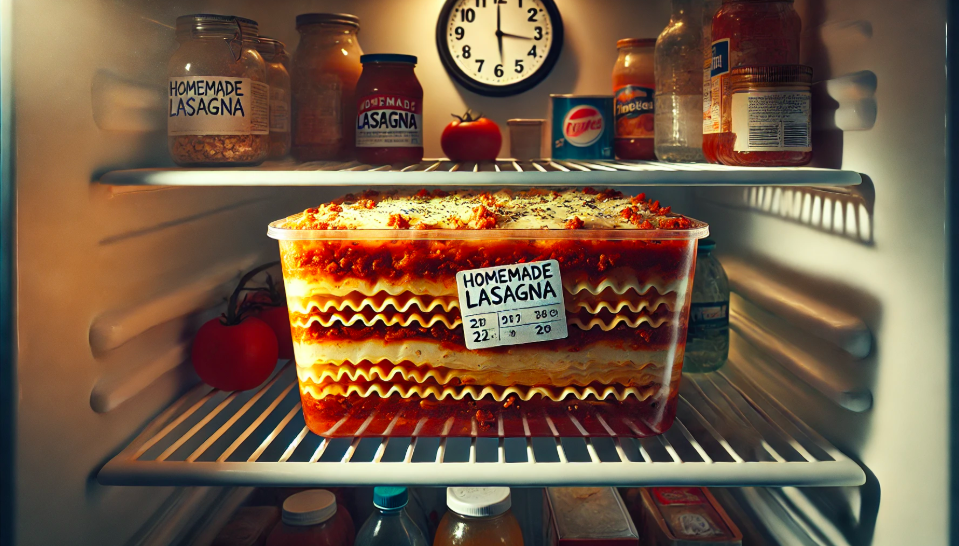
Homemade lasagna can typically last 3 to 5 days in the fridge when stored properly. To ensure its freshness and prevent spoilage, it should be kept in an airtight container or tightly wrapped with plastic wrap or aluminum foil. The key to maximizing its shelf life is to refrigerate it within two hours of cooking to avoid bacterial growth. If you don't plan to eat it within that time frame, freezing lasagna is a good option for longer storage, as it can stay frozen for up to 3 months.
Proper Storage Techniques For Homemade Lasagna
Homemade lasagna can be a delicious meal that lasts for several days if stored properly. To keep your lasagna fresh and safe to eat, here are simple and effective storage techniques.
1. Cooling The Lasagna
Before storing lasagna, allow it to cool down to room temperature. This helps prevent condensation, which can make the lasagna soggy when stored. Let it sit for no more than two hours at room temperature. If it's left out for longer than that, bacteria can grow, which may cause foodborne illness.
2. Storage In The Refrigerator
- Cover it well:Once the lasagna has cooled, cover it with plastic wrap, aluminum foil, or a tightly sealed container.
- Use an airtight container:If you prefer, you can store the lasagna in an airtight container to prevent air from drying it out and absorbing any odors from the fridge.
- Refrigeration time:Lasagna can be safely stored in the fridge for up to 3 to 5 days. After this time, the quality may decline, and it’s best to discard it.
3. Freezing Homemade Lasagna
If you want to store lasagna for a longer time, freezing is a great option. It can last for 2 to 3 months in the freezer without losing much flavor or texture.
- Cool it down first:Just like with refrigeration, ensure that your lasagna has cooled to room temperature before freezing.
- Label and date:Be sure to label the lasagna with the date it was frozen, so you know how long it's been stored.
Can You Freeze Homemade Lasagna?
Yes, you can freeze homemade lasagna, and it's actually a great way to preserve it for later. Here’s a simple guide on how to do it based on reliable sources:
How To Freeze Homemade Lasagna
1. Cool It First: Before freezing your lasagna, let it cool down to room temperature. This will help prevent excess moisture from building up inside the container, which could make it soggy later on.
2. Wrap It Properly: Once cooled, wrap the lasagna tightly. Use plastic wrap first, then cover it with aluminum foil. This double layer helps to prevent freezer burn and keeps the lasagna fresh.
3. Freezing: Place the wrapped lasagna in the freezer. You can freeze it as a whole, or you can slice it into smaller portions for easier reheating.
4. Label: Make sure to label the lasagna with the date, so you know how long it's been in the freezer. Lasagna can stay frozen for up to 3 months.
Reheating Lasagna Safely
Reheating lasagna safely is important to avoid foodborne illness and keep the dish delicious. Here are simple guidelines to help you safely reheat lasagna:
1. Use The Oven For Best Results
The oven is the best way to reheat lasagna if you want to keep it close to its original taste and texture. Preheat your oven to 375°F (190°C). Cover the lasagna with foil to keep it from drying out. Heat it for 20-30 minutes, depending on the size of the portion. If you’re reheating a whole lasagna, it may take longer. Check that it's heated all the way through. You can use a food thermometer to ensure it reaches 165°F (74°C) in the center.
2. Reheat In The Microwave For Speed
If you're in a hurry, the microwave is a quicker option, but it might make the lasagna a little soggy. Place the lasagna on a microwave-safe plate, cover it with a damp paper towel, and microwave it for 1-2 minutes. Check if it's hot enough and continue heating in 30-second intervals until it reaches 165°F (74°C) in the center.
3. Stovetop Method
Another way to reheat lasagna is on the stovetop, especially for individual servings. Place the lasagna slice in a pan with a small amount of water or sauce to keep it moist. Cover the pan with a lid and heat it over medium heat for 5-10 minutes, checking frequently to make sure it doesn't burn or dry out.
Best Practices For Meal Prep With Lasagna
When it comes to meal prepping with lasagna, the goal is to make your cooking easier, save time, and enjoy a homemade meal throughout the week. Here are some best practices for meal prepping lasagna, based on expert advice:
1. Choose A Simple Recipe
Start with a simple lasagna recipe that you enjoy. Whether it's a classic meat lasagna, vegetarian, or one with more vegetables, make sure the recipe is easy to prepare in large batches.
2. Cook And Assemble In Batches
When preparing lasagna for meal prep, cook larger portions. This way, you can assemble several servings at once. Lasagna keeps well in the fridge and freezer, so you can enjoy it for several days or even weeks.
3. Make It Ahead And Freeze
Lasagna freezes well, so it’s perfect for meal prep. You can prepare a whole batch and freeze it in individual portions. This way, you can take out only what you need for the day, making it quick and easy.
How to freeze lasagna:
- Once you've assembled the lasagna, wrap it tightly in plastic wrap and then in foil.
- Label the foil with the date, so you know how long it's been frozen.
- It can stay in the freezer for up to 3 months.
4. Use Freezer-Friendly Containers
When portioning out your lasagna, use airtight containers. Glass or heavy-duty plastic containers are great options. They help keep the lasagna fresh, and you can easily reheat them in the microwave or oven.
5.Prep The Sauce Separately
Some people prefer to cook the meat sauce separately and store it in a jar or container. This way, you can make your lasagna fresh later by layering the sauce with pasta and cheese. It also helps if you want to control how much sauce you use for each portion.
6. Layering Tips
When assembling your lasagna, try not to overfill the layers with sauce. The key to a well-prepped lasagna is balancing the sauce, cheese, and noodles evenly. Too much sauce can make it soggy over time.
7. Use Fresh Herbs
Adding fresh herbs like basil or oregano can really enhance the flavor of your lasagna. If you're making it ahead of time, you can add the fresh herbs just before reheating to keep their flavor bright.
Factors Affecting The Shelf Life Of Lasagna
The shelf life of lasagna is influenced by several factors, including storage conditions, ingredients used, and how it’s cooked. Here are some key factors affecting how long lasagna can stay fresh:
1. Ingredients Used
- Meat and Dairy:Lasagna that contains meats (beef, pork, or poultry) and dairy products (cheese, milk, and cream) generally has a shorter shelf life. These ingredients can spoil faster than vegetables or pasta, which can affect the overall freshness of the dish.
- Vegetables:If lasagna contains vegetables like spinach, mushrooms, or tomatoes, they can also impact how long the dish stays fresh, especially if they are not cooked properly or stored at the right temperature.
2. Storage Temperature
- Refrigeration:Lasagna should be stored in the fridge at a consistent temperature of 40°F (4°C) or lower. If stored correctly, it can last for about 3 to 5 days.
- Freezing:Freezing lasagna is a good option for extending its shelf life. When wrapped properly (airtight or with plastic wrap and aluminum foil), frozen lasagna can last up to 3 months. After this period, the quality may start to degrade.
3. Packaging
- Airtight Containers:Lasagna should be stored in an airtight container or tightly wrapped to prevent air exposure, which can cause freezer burn or moisture loss. If exposed to air, lasagna may dry out or develop off flavors.
4. Cooking Method
- Even Cooking:Properly cooked lasagna will last longer. If the lasagna is undercooked or overcooked, it may spoil faster due to uneven heat exposure. Cooking it at the right temperature ensures all bacteria are killed, reducing the chances of contamination.
5. Bacterial Contamination
- Handling:How the lasagna is handled before and after cooking also plays a major role. If the lasagna is left out at room temperature for too long, harmful bacteria can grow, causing it to spoil faster. Always refrigerate leftovers within two hours of cooking.
- Cross-contamination:Using clean utensils and cooking surfaces helps prevent bacteria from transferring to the lasagna, which can reduce its shelf life.
6. Moisture Content
- Excess Moisture:Lasagna with high moisture content, often due to sauces or watery vegetables, can spoil quicker because moisture can encourage bacterial growth. Using less sauce or draining excess liquid from vegetables may help extend the shelf life.
7. Oxygen Exposure
- Oxidation:Exposure to oxygen can cause the lasagna to lose its flavor and texture. Covering the lasagna tightly helps prevent oxidation, keeping it fresher for a longer period.
Signs Your Lasagna Has Gone Bad
When lasagna is left too long, it can go bad and make you sick if you eat it. Here are some common signs that your lasagna has spoiled:
1. Smell
If your lasagna smells sour, rotten, or off in any way, it’s a clear sign it has gone bad. Fresh lasagna has a pleasant, savory smell, so if it smells unpleasant, it’s time to throw it away.
2. Mold
Mold can appear on top of or inside the lasagna if it’s been sitting out too long. Mold can be white, green, or even black. If you see any mold, it’s safest to discard the entire dish.
3. Change In Color
If the lasagna noodles, cheese, or sauce change color (for example, if they turn greenish, brown, or discolored), it could mean that bacteria have started to grow on it.
4. Texture
If the lasagna feels slimy or unusually mushy when you touch it, it’s likely spoiled. Fresh lasagna should have a firm texture and be moist, but not slimy.
5. Off Taste
If you taste a bite of lasagna and it has an odd or unpleasant flavor, don’t continue eating it. Spoiled lasagna will have a noticeably bad or sour taste.