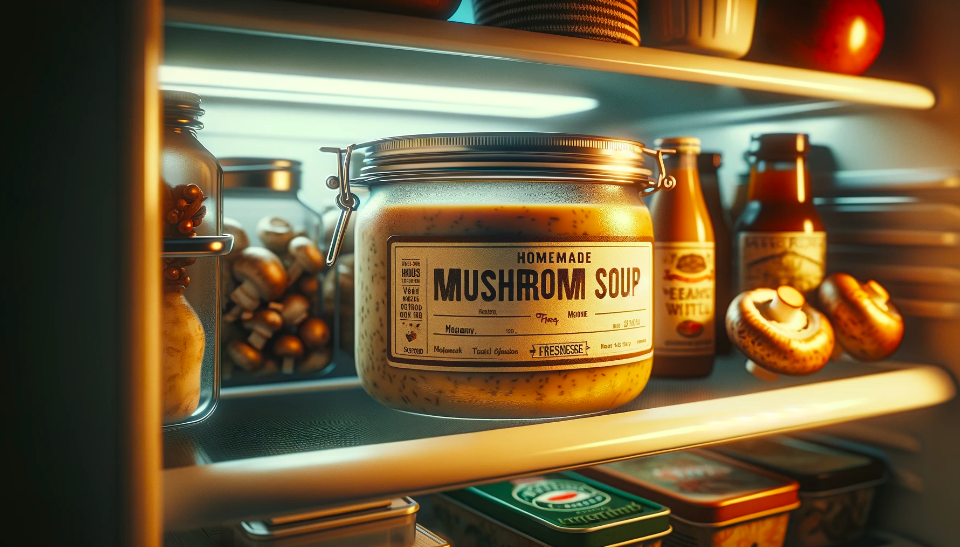
How Long Does Homemade Mushroom Soup Last In The Fridge?
Homemade mushroom soup can typically be stored in the refrigerator for 3 to 4 days. The exact duration depends on the freshness of the ingredients and the storage methods used. To ensure safety and maintain quality, it’s best to keep the soup in an airtight container at a temperature of 40°F (4°C) or lower. If you plan to consume it beyond this period, freezing is a better option, as it slows bacterial growth and preserves the soup for a longer time.
Factors That Affect The Shelf Life Of Mushroom Soup In The Refrigerator
Several factors can impact how long mushroom soup stays fresh in the fridge:
- Ingredient Freshness: The soup’s lifespan depends on the freshness of the mushrooms, cream, and other ingredients used. Fresh ingredients make for a longer-lasting soup.
- Storage Temperature: Storing the soup at a constant, cold temperature (below 40°F or 4°C) prevents bacterial growth. Frequent temperature changes can reduce shelf life.
- Type of Ingredients: Cream-based mushroom soups spoil faster than broth-based ones. Dairy ingredients are prone to spoilage, which shortens the soup’s shelf life.
- Exposure to Air: Properly sealing the container reduces exposure to bacteria and air, which can otherwise lead to faster spoilage.
- Preparation Hygiene: Clean utensils and hands during preparation help prevent bacterial contamination, which can affect how long the soup remains fresh.
Proper Storage Tips For Homemade Mushroom Soup
To maximize freshness and safety, follow these storage tips for homemade mushroom soup:
- Cool the Soup Quickly: Before refrigerating, let the soup cool to room temperature, ideally within two hours of cooking. Quick cooling prevents bacterial growth.
- Use Airtight Containers: Store the soup in a clean, airtight container to keep it fresh longer and reduce the risk of contamination.
- Label and Date the Container: Marking the container with the date helps you keep track of how long the soup has been stored.
- Store on a Lower Shelf: Place the container on a lower shelf in the fridge, where the temperature is more consistent and colder.
- Avoid Mixing Leftovers: If you’ve reheated part of the soup, avoid adding it back to the original container, as this can introduce bacteria.
Signs Your Mushroom Soup Has Gone Bad
To avoid foodborne illness, it’s essential to recognize when mushroom soup has spoiled. Here are signs that it’s no longer safe to eat:
- Sour Smell: If the soup smells sour or has an unusual odor, it’s likely spoiled.
- Change in Texture: If you see a slimy or thickened layer on top, it indicates bacterial growth, and the soup should be discarded.
- Unusual Color: Fresh mushroom soup has a creamy, natural color. If it turns darker or develops spots, it’s best to throw it away.
- Mold: If you notice mold on the surface or inside the container, the soup is no longer safe.
- Taste Change: Although not always recommended, tasting a small amount can reveal spoilage; sour or off-flavors are a clear sign it has gone bad.
Can You Freeze Homemade Mushroom Soup For Longer Storage?
Yes, freezing homemade mushroom soup is an effective way to extend its shelf life, typically up to 2-3 months. However, consider the following tips for best results:
- Portion the Soup: Divide the soup into small, portion-sized containers or freezer bags for easy thawing and reheating.
- Leave Room for Expansion: Liquids expand when frozen, so avoid filling containers to the top to prevent leaks or cracks.
- Label with Date: Write the storage date on each container to track how long it’s been frozen.
- Avoid Adding Cream: If your recipe includes dairy, consider freezing the soup before adding cream. You can add it after reheating, as cream can sometimes separate when frozen.
How To Reheat Stored Mushroom Soup Safely
When reheating mushroom soup, proper techniques help maintain its flavor and safety:
- Thaw Frozen Soup in the Fridge: If frozen, allow the soup to thaw in the refrigerator overnight rather than at room temperature, which prevents bacterial growth.
- Use a Stovetop for Even Heating: Reheat on medium heat, stirring occasionally until the soup reaches an internal temperature of 165°F (74°C). Stirring helps prevent burning and ensures even heating.
- Microwave with Caution: If using a microwave, heat in short intervals, stirring frequently to ensure the soup heats evenly.
- Avoid Repeated Reheating: Each time you reheat soup, the quality declines, and the risk of bacterial contamination increases. It’s best to reheat only the amount you plan to consume.