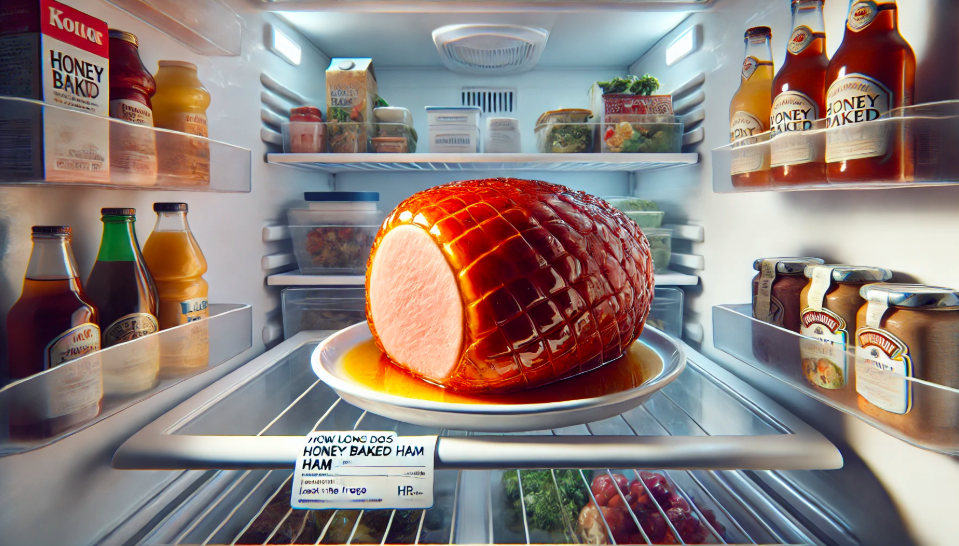
Honey Baked Ham, a popular dish often served during holidays and special occasions, can last for a varying amount of time in the fridge depending on how it's stored. Typically, Honey Baked Ham can last in the refrigerator for up to 7 days after purchase or preparation. However, this timeframe can be influenced by various factors like the ham's freshness when it was bought, whether it has been sliced, and how it's been stored. Proper storage is essential to maximizing its shelf life and ensuring it remains safe to eat.
Factors Affecting The Shelf Life Of Honey Baked Ham
The shelf life of Honey Baked Ham is influenced by several factors that determine how long it stays fresh in the fridge. The type of ham (whether it’s cooked or raw), storage methods, and environmental conditions all play a role in how long the ham remains safe to eat.
- Type of Ham: Honey Baked Ham is typically pre-cooked, which extends its shelf life. However, raw ham, including cured or uncured varieties, will spoil faster and should be consumed within 3 to 5 days of being purchased.
- Storage Methods: How you store your Honey Baked Ham significantly impacts how long it stays fresh. Properly wrapping or sealing the ham in airtight containers helps protect it from air, which can lead to dryness, bacterial growth, or mold. Without proper storage, the ham may spoil within a few days.
- Fridge Temperature: The temperature of your refrigerator plays a major role in preserving the ham’s quality. The fridge should be set at or below 40°F (4°C) to ensure the ham stays safe. Temperatures above this can lead to faster bacterial growth and spoilage.
- Handling: How often you handle the ham can also affect its shelf life. Frequent exposure to the air, such as opening and closing the container, can introduce bacteria and reduce its freshness. Always handle the ham with clean hands or utensils to avoid contamination.
- Packaging: Packaging plays a vital role in extending the freshness of Honey Baked Ham. If the ham is vacuum-sealed, it will typically last longer than ham that has been sliced and loosely wrapped. The less air the ham is exposed to, the better its chances of staying fresh for a longer time.
Proper Storage Tips For Honey Baked Ham
To get the most out of your Honey Baked Ham and extend its freshness, proper storage is crucial. Here are some simple tips for storing Honey Baked Ham effectively:
- Wrap the Ham Properly: After slicing the ham or opening the packaging, wrap it tightly with plastic wrap, aluminum foil, or place it in an airtight container. The goal is to limit exposure to air, which can dry out the ham and promote bacteria growth.
- Use the Coldest Part of the Fridge: Store your ham in the coldest section of your fridge, typically the back. Keeping it at a stable and low temperature helps to preserve its flavor and freshness for longer.
- Keep the Ham in its Original Packaging: If the ham is unopened, it’s often best to keep it in its original packaging, as it is designed to protect the ham and maintain its freshness until it is opened.
- Avoid Storing Near Strong-Smelling Foods: Honey Baked Ham has a delicate flavor that can absorb odors from other strong-smelling foods in the fridge. Store the ham away from items like onions, garlic, or strong-smelling cheeses to keep its taste intact.
- Slice Only What You Need: If you’re not planning to use all of the ham at once, avoid slicing the entire piece. Slicing exposes more surface area to air, which can lead to quicker spoilage. Cut off only the portion you intend to use.
Signs That Honey Baked Ham Has Gone Bad
Even when stored properly, Honey Baked Ham will eventually go bad. There are several signs to watch for to ensure the ham is still safe to eat:
- Unpleasant Odor: If the ham has a sour or rancid smell, it’s a sign that bacteria have begun to grow, and it should be discarded.
- Color Changes: Fresh Honey Baked Ham typically has a pinkish-red color. If you notice a gray or greenish tint, this may indicate spoilage.
- Slimy Texture: A slimy texture on the surface of the ham is a clear sign that it has gone bad. This often results from bacterial growth or improper storage.
- Mold: If you spot mold growing on the ham, it is no longer safe to eat and should be thrown away immediately.
- Off Taste: Even if the ham looks and smells fine, if it tastes off or sour, it’s best to discard it to avoid potential food poisoning.
Can You Freeze Honey Baked Ham For Longer Storage?
Yes, you can freeze Honey Baked Ham for extended storage. Freezing is an excellent option if you’re not able to consume the ham within the 7-day fridge period. When frozen properly, Honey Baked Ham can last for up to 6 months without losing much flavor or texture. However, the ham may lose some of its moisture, and its texture may change slightly once thawed. To freeze Honey Baked Ham:
- Wrap It Tightly: Use plastic wrap or aluminum foil to wrap the ham tightly. Then, place it in a resealable freezer bag or airtight container to prevent freezer burn.
- Label the Ham: Always label the packaging with the date it was frozen, so you can track how long it’s been stored.
- Thawing: To thaw, place the ham in the refrigerator for several hours or overnight. Avoid thawing at room temperature to reduce the risk of bacterial growth.
How To Safely Reheat Honey Baked Ham After Storing
When reheating Honey Baked Ham, it’s essential to do so safely to avoid foodborne illness. Here’s how you can safely reheat your ham:
- Preheat Your Oven: Preheat your oven to around 325°F (163°C). This will allow the ham to reheat evenly without drying out.
- Wrap the Ham: Before reheating, wrap the ham in aluminum foil to keep it moist. You can add a bit of water or broth to the foil to create steam, which will help preserve the ham’s juiciness.
- Reheat Slowly: Place the ham in the oven for about 10-15 minutes per pound, checking the internal temperature. The ham should reach an internal temperature of 140°F (60°C) before being served.
- Microwave Option: If you're in a hurry, you can use the microwave to reheat small portions. Place the ham on a microwave-safe plate, cover it with a damp paper towel, and microwave for 1-2 minutes or until heated through. However, the oven method is preferred to retain the best flavor and texture.