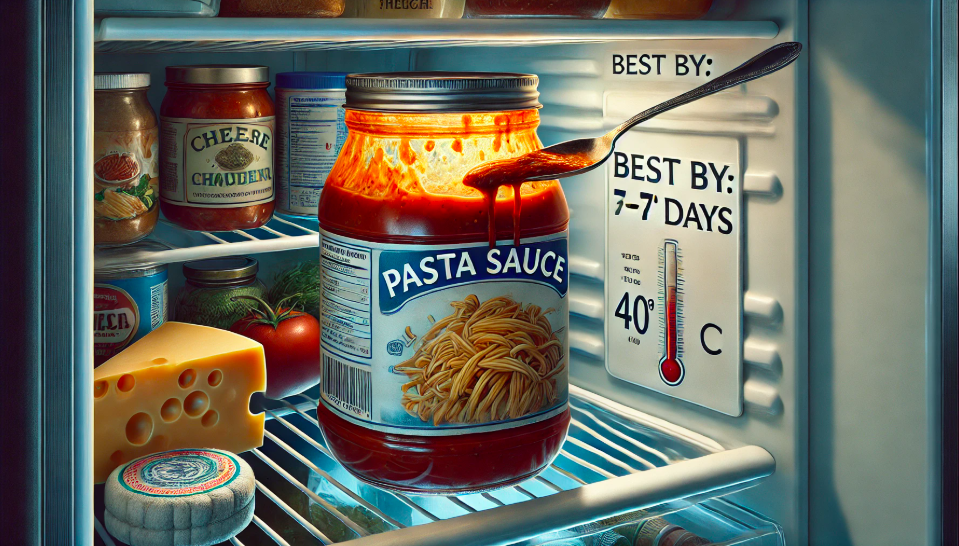
Once opened, jarred pasta sauce typically lasts about 5 to 7 days in the fridge when stored properly in an airtight container. It's important to refrigerate the sauce immediately after opening and keep it tightly sealed to maintain its freshness. If the sauce is not used within this time frame, its quality may deteriorate, and it may develop an off smell, taste, or mold. Always check the label for any specific instructions or use-by dates, as some sauces may contain preservatives that extend their shelf life. If you want to keep pasta sauce for a longer period, freezing it is a good option to preserve its flavor and texture.
Understanding The Shelf Life Of Jarred Pasta Sauce
Jarred pasta sauce is a convenient pantry staple, but it's important to understand its shelf life to ensure safety and quality.
Unopened Jarred Pasta Sauce:
- Shelf Life: An unopened jar of pasta sauce can last up to 18 months when stored in a cool, dry place.
- Storage Tips: Keep the jar in a pantry or cupboard, away from direct sunlight and heat sources, to maintain its quality.
Opened Jarred Pasta Sauce:
- Refrigeration: Once opened, transfer the sauce to the refrigerator immediately. This helps slow down the growth of bacteria.
- Shelf Life: Use the sauce within 5 to 7 days after opening.
- Storage Tips: Seal the jar tightly and store it in the coldest part of the refrigerator. If the original jar is not airtight, consider transferring the sauce to a clean, airtight container.
How To Store Jar Pasta Sauce For Maximum Freshness
To store jarred pasta sauce for maximum freshness, follow these simple guidelines based on trusted advice from food safety and storage experts:
1. Check The Expiry Date
Always check the jar’s expiration date before storing. This will give you an idea of how long the sauce will stay fresh if unopened.
2. Store Unopened Pasta Sauce
- Keep the jar in a cool, dry place like your pantry or cupboard.
- Avoid storing it in direct sunlight or next to heat sources like stoves or ovens, as this can affect the sauce's quality.
3.Freezing For Longer Storage
If you have extra sauce and want to store it for an extended period, freezing is a good option.
- Transfer the sauce to freezer-safe containers or freezer bags.
- Leave some space at the top of the container to allow the sauce to expand as it freezes.
- Label the container with the date, and use the sauce within 3–4 months for the best quality.
4. Reheating Tips
- When reheating pasta sauce, do it gently on the stove or in the microwave. If it’s been frozen, thaw it in the fridge overnight before reheating.
- Stir well to avoid uneven heating, and make sure it reaches a boil to ensure it’s safe to eat.
By following these simple steps, you can keep your jarred pasta sauce fresh and safe for consumption for as long as possible.
How To Extend The Shelf Life Of Opened Pasta Sauce
To extend the shelf life of opened pasta sauce, follow these simple steps, based on reliable sources like food safety guidelines and expert advice:
1. Store In The Refrigerator
Once opened, pasta sauce should always be kept in the refrigerator. This helps slow down the growth of bacteria and keeps the sauce fresh for longer. Keep the jar tightly sealed to prevent air from getting in, which can cause spoilage.
2. Transfer To An Airtight Container
If the pasta sauce is in a jar and you’re not able to fully reseal it, transfer the leftover sauce to an airtight container. This extra layer of protection helps maintain its flavor and freshness.
3. Don’t Contaminate The Sauce
Always use clean utensils when scooping out pasta sauce. If you dip a used spoon or fork into the sauce, it can introduce bacteria, which might cause the sauce to spoil more quickly.
Can You Freeze Leftover Pasta Sauce?
Yes, you can freeze leftover pasta sauce. Freezing pasta sauce is a great way to save it for later use, especially if you have made too much. Here’s what you need to know:
1. How To Freeze Pasta Sauce
- Cool the Sauce: Let your pasta sauce cool down before freezing it. If you freeze hot sauce, it can create ice crystals and affect the texture.
- Use a Freezer-Safe Container: You can freeze pasta sauce in plastic containers, freezer bags, or glass jars. If using a jar, leave space at the top for the sauce to expand as it freezes.
- Portion it Out: If you don’t want to freeze all of it at once, divide the sauce into smaller portions. This way, you can defrost just what you need.
- Seal Well: Make sure the container or bag is sealed tightly to prevent air from getting in, which can cause freezer burn.
Factors That Affect The Longevity Of Pasta Sauce In The Fridge
The shelf life of pasta sauce in the refrigerator depends on several factors:
1. Type of Sauce: Tomato-based sauces, like marinara, are more acidic and can last 5 to 7 days after opening. Cream-based sauces, such as Alfredo, contain dairy and should be used within 3 to 4 days.
2. Ingredients Used: Sauces with fresh herbs or vegetables may spoil faster due to the perishable nature of these components.
3. Storage Conditions: Always refrigerate pasta sauce promptly in airtight containers to minimize exposure to air and contaminants.
4. Homemade vs. Store-Bought: Homemade sauces, lacking preservatives, typically have a shorter lifespan than commercially produced ones. Store-bought sauces often contain additives that extend their shelf life.
5. Preservatives Used: Unlike homemade sauces, store-bought jarred pasta sauces will have ingredients such as citric acid and sodium benzoate. These are used by manufacturers to deter bacterial growth and therefore extend its longevity both on the shelf and for refrigerator life.
Signs That Pasta Sauce Has Gone Bad
Pasta sauce can spoil over time, and it's important to recognize the signs to ensure it's safe to eat. Here are some indicators that your pasta sauce may have gone bad:
1. Mold Growth: If you see any mold on the surface or inside the jar, it's a clear sign that the sauce is spoiled and should be discarded immediately.
2. Unpleasant Odor: A sour or rotten smell indicates that the sauce has spoiled. If it doesn't smell fresh or has an off-putting odor, it's best not to use it.
3. Change in Color or Texture: If the sauce has darkened significantly or developed an unusual texture, it may be past its prime. While some color change can occur naturally, a drastic change suggests spoilage.
4. Off Taste: If the sauce tastes sour or different from its usual flavor, it's a sign that it has spoiled. Even if there are no visible signs, an off taste means it's best to avoid using it.
5. Bulging Lid or Broken Seal: If the jar's lid is bulging or the seal is broken, it indicates that gas has built up inside, often due to bacterial growth, making the sauce unsafe to eat.
6. Unusual Separation: While some separation of oil is normal, excessive separation or the presence of white fluid on top can be a sign of spoilage.
To prevent spoilage, always store pasta sauce in the refrigerator after opening and use it within the recommended time frame. If you're unsure about the sauce's safety, it's better to err on the side of caution and discard it.