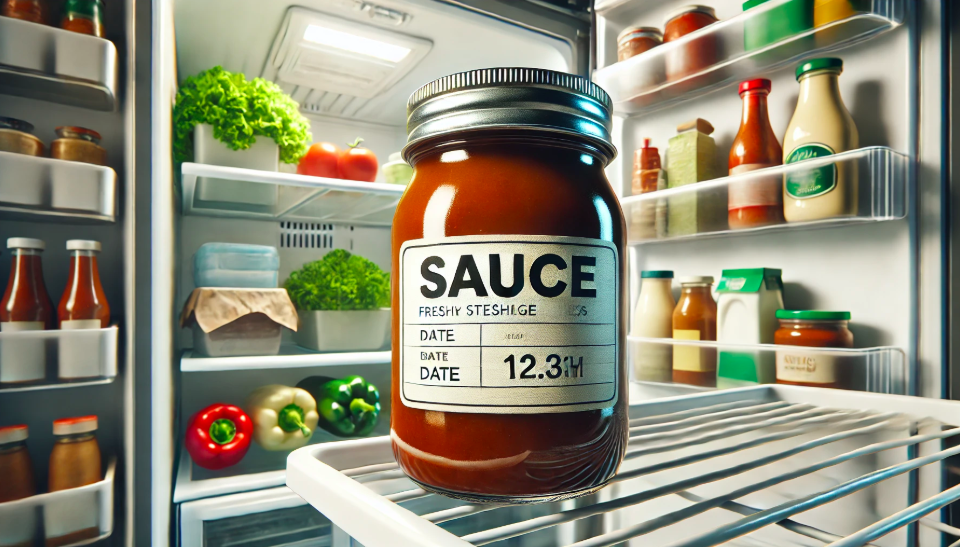
Jarred sauce, once opened, typically lasts 5 to 7 days in the fridge when stored properly in an airtight container or its original jar with a tightly sealed lid. The shelf life depends on the type of sauce—tomato-based sauces tend to last a week, while cream-based or pesto sauces may spoil faster due to dairy or oil content. To ensure freshness, always refrigerate the sauce promptly after opening, avoid leaving it at room temperature for extended periods, and use clean utensils to prevent contamination. If you notice changes in color, texture, smell, or mold growth, discard the sauce immediately.
Proper Storage Tips for Opened Jar Sauce
After opening a jar of sauce, it's important to store it properly to keep it safe and fresh. Here are some simple tips:
- Refrigeration: Always store opened sauce in the refrigerator at 40°F (4°C) or below. This slows down the growth of harmful bacteria.
- Airtight Containers: Transfer the sauce to a clean, airtight container if it wasn't sealed tightly after opening. This helps prevent contamination and keeps the sauce fresh longer.
- Use Clean Utensils: When taking sauce out of the jar, use a clean spoon or utensil. This reduces the risk of introducing bacteria that can spoil the sauce.
- Check for Spoilage: Before using, look for signs like mold, off smells, or changes in color or texture. If you notice any of these, it's best to discard the sauce.
- Use Within Recommended Time: Most opened pasta sauces should be used within 5 to 7 days. Cream-based sauces, like Alfredo, are best used within 3 to 4 days.
- Freezing for Longer Storage: If you can't use the sauce within the recommended time, consider freezing it. Place the sauce in a freezer-safe container, leaving some space for expansion, and use it within 3 to 4 months.
How to Maximize the Shelf Life of Jar Sauce in the Fridge
To keep your jarred sauce fresh for as long as possible in the refrigerator, follow these simple steps:
- Refrigerate Immediately After Opening: Once you open the jar, place it in the fridge right away. This helps slow down the growth of bacteria and mold.
- Seal Tightly: Always close the jar with its original lid or transfer the sauce to an airtight container. This reduces exposure to air, which can cause spoilage.
- Use Clean Utensils: When scooping out sauce, use a clean spoon each time. This prevents introducing germs that can make the sauce spoil faster.
- Check the Temperature: A colder temperature helps keep the sauce safe to eat for a longer time.
- Label the Jar: Write the date you opened the jar on a piece of tape and stick it to the lid. This way, you can easily track how long the sauce has been stored.
- Use Within Recommended Time: Most jarred pasta sauces are best used within 5 to 7 days after opening. If the sauce contains dairy, like Alfredo, it's best to use it within 3 to 4 days.
Can You Freeze Jar Sauce for Longer Storage?
Yes, you can freeze jarred pasta sauce to extend its storage life. Freezing is an effective method to preserve the sauce for future use.
Steps to Freeze Jarred Pasta Sauce:
- Transfer the Sauce: Do not freeze the sauce in its original glass jar, as it may crack or shatter during freezing. Instead, pour the sauce into a freezer-safe container or a heavy-duty freezer bag.
- Leave Space: When filling the container, leave about an inch of space at the top. This allows room for the sauce to expand as it freezes.
- Seal Properly: Ensure the container or bag is sealed tightly to prevent air from entering, which can cause freezer burn.
- Label and Date: Write the date on the container or bag. This helps you keep track of how long the sauce has been stored.
Signs That Jar Sauce Has Gone Bad
Jarred sauces, such as pasta or spaghetti sauce, are convenient pantry staples. However, it's important to recognize signs that indicate the sauce has spoiled. Consuming spoiled sauce can lead to foodborne illnesses. Here are key indicators to watch for:
1. Mold Growth
- What to Look For: Any visible mold on the surface or inside the jar.
- Why It Happens: Mold indicates bacterial contamination, making the sauce unsafe to eat.
- Source:
2. Unpleasant Odor
- What to Look For: A sour, rancid, or off smell when you open the jar.
- Why It Happens: Spoiled sauce develops unpleasant odors due to bacterial activity.
3. Discoloration
- What to Look For: The sauce has turned brown or black instead of its usual vibrant red color.
- Why It Happens: Color changes can result from spoilage or oxidation.
4. Separation of Layers
- What to Look For: The sauce has separated into layers, with liquid on top and solids below.
- Why It Happens: Separation can indicate spoilage or that the sauce has been improperly stored.
Factors Affecting the Freshness of Jar Sauce
The freshness of jarred sauces is influenced by several key factors:
- Type of Sauce: Tomato-based sauces, such as marinara, are naturally acidic, which helps prevent bacterial growth and extends their shelf life.
- Ingredients: Sauces containing preservatives like sodium benzoate or potassium sorbate can last longer than those without.
- Packaging: Glass jars provide a better seal than plastic containers, preventing air and moisture from entering and compromising the sauce.
- Storage Conditions: Storing jarred sauce in a cool, dry place, away from direct sunlight and heat sources, helps maintain its quality.
- Exposure to Air: Once opened, jarred sauce should be refrigerated and consumed within 5-7 days for optimal freshness.
- Contamination: Using clean utensils when serving the sauce prevents contamination, which can lead to spoilage.