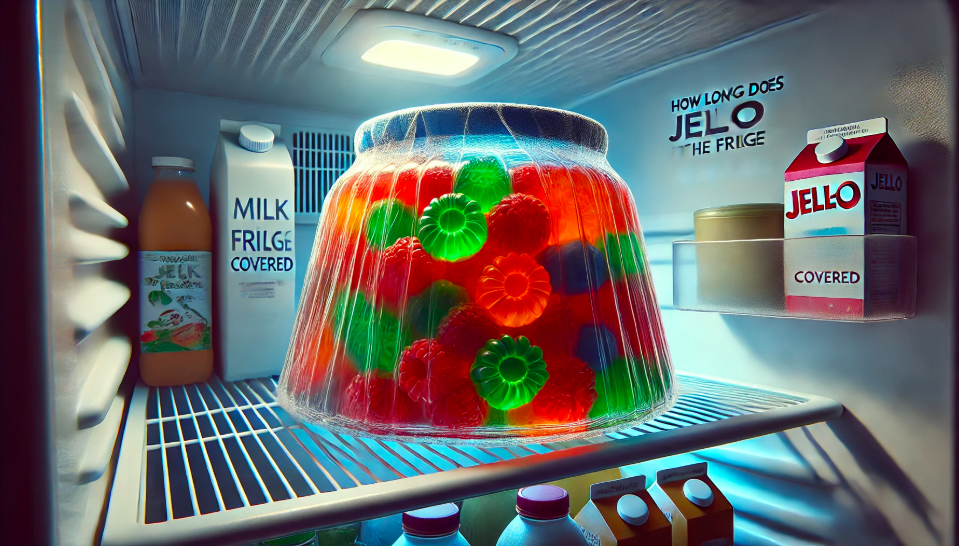
Jello, when properly stored in the fridge and kept covered, typically lasts for about 7 to 10 days. This shelf life is for homemade Jello and store-bought Jello that has already been prepared. The key to keeping Jello fresh for the longest time is proper storage. Jello should be stored in a tightly sealed container to avoid exposure to air and contaminants. Additionally, the fridge temperature should remain steady at or below 40°F (4°C), which is the optimal temperature to prevent the growth of bacteria that could cause the Jello to spoil.
If the Jello has fruit added to it, the shelf life might be slightly shorter due to the perishable nature of the fruit. It’s always good to check Jello for any signs of spoilage if it has been stored for several days. However, for the best taste and texture, consuming Jello within 7 days is recommended.
Factors That Affect Jello's Shelf Life in the Fridge
Several factors can influence how long Jello will stay fresh in the fridge:
- Storage Temperature: Jello should always be stored at a consistent, cold temperature. The fridge should be set at or below 40°F (4°C) to keep the gelatin from breaking down and to prevent the growth of bacteria. If the temperature fluctuates or if Jello is kept out of the fridge for extended periods, it may spoil more quickly.
- Container Seal: One of the most important factors in keeping Jello fresh is how well it is sealed. When Jello is stored in an airtight container, it’s protected from contaminants, such as bacteria or other odors in the fridge, which could affect its flavor and texture. A sealed container also prevents moisture loss, keeping the Jello’s consistency intact.
- Ingredients: The ingredients used to prepare Jello can also affect how long it stays good. For example, if you add fresh fruits, dairy, or other ingredients that have shorter shelf lives, the overall shelf life of your Jello will be reduced. The presence of these perishable items can make the Jello go bad sooner, often within 3 to 5 days.
- Type of Jello: Store-bought Jello that has been pre-packaged may last a bit longer because it often contains preservatives that extend its shelf life. Homemade Jello, which lacks preservatives, will need to be consumed more quickly.
Proper Storage Tips to Maximize Jello Freshness
To get the most out of your Jello and keep it fresh for as long as possible, follow these simple storage tips:
- Use Airtight Containers: Always store Jello in an airtight container to keep it sealed from the air and any other contaminants. A well-sealed container also prevents Jello from absorbing odors from other foods in the fridge, which could alter its taste.
- Refrigerate Immediately: After preparing Jello, place it in the refrigerator as soon as possible. Leaving Jello at room temperature for too long can encourage bacterial growth, which will make it spoil more quickly. Always make sure it’s fully set before covering and storing it.
- Keep It Covered: Whether you’re storing the Jello in a bowl or a mold, it’s important to cover it. This helps to keep out dust, debris, and bacteria. If you don’t have a lid, you can use plastic wrap or aluminum foil to cover the container.
- Use Clean Utensils: When serving Jello, make sure to use clean utensils to prevent introducing bacteria. Contaminants from dirty hands or utensils can shorten the shelf life of Jello.
- Separate Layers: If you make Jello with different layers or textures, try to store it in smaller portions to avoid needing to open the entire container. This way, the rest of the Jello remains undisturbed and fresher for longer.
By following these storage tips, you can extend the freshness of your Jello and ensure it maintains its flavor and texture.
How to Tell If Jello Has Gone Bad?
Jello can spoil over time, and there are several ways to tell if it’s no longer safe to eat:
- Mold: If you notice any fuzzy or colorful spots on the surface of your Jello, it’s a sign that mold has begun to grow. Mold can appear in shades of white, green, or black, and consuming Jello with mold on it is unsafe.
- Off Odor: Fresh Jello should have a pleasant, neutral scent. If it smells sour, rancid, or unusual, it has likely spoiled and should be thrown away. A change in odor is often one of the first indicators of spoilage.
- Texture Changes: Jello should have a smooth, firm texture. If the Jello becomes too watery, overly rubbery, or too soft and mushy, it could be a sign that it has broken down and should no longer be eaten. This is especially true if it has separated into layers or lost its usual firmness.
- Taste: If the Jello tastes off, sour, or bitter, it’s a sign that it has gone bad and is unsafe to consume. Even if there are no obvious visible signs of spoilage, tasting a small amount can help determine its safety.
Does Homemade Jello Last Longer Than Store-Bought?
In most cases, homemade Jello and store-bought Jello have similar shelf lives when stored properly in the fridge, which is about 7 to 10 days. However, there are a few differences between the two:
- Preservatives: Store-bought Jello often contains preservatives to help extend its shelf life, while homemade Jello doesn’t have these additives. As a result, store-bought Jello may last a little longer than homemade Jello under the same conditions.
- Ingredients: Homemade Jello is made with fresh ingredients, such as gelatin and fruit juice, which can spoil more quickly. If you add fresh fruit to homemade Jello, this could reduce its shelf life, as fruit can degrade faster than gelatin alone.
- Packaging: Store-bought Jello is often packaged in individual serving sizes or sealed containers that help maintain its freshness. Homemade Jello should be placed in an airtight container to achieve a similar level of protection.
Although both types of Jello have similar shelf lives, homemade Jello may not last quite as long as store-bought Jello, especially if it includes additional ingredients like fresh fruit. If you make homemade Jello, it’s a good idea to consume it within a week for the best flavor and texture.
Impact of Covering on Jello's Longevity in the Fridge
Covering Jello plays a crucial role in its longevity. When Jello is left uncovered, it is exposed to air, which can cause it to dry out, form a crust, or absorb other smells from the fridge. This not only affects the texture and taste but also opens the door for bacteria and mold to contaminate the dessert.
An airtight covering prevents these issues by keeping the Jello sealed and protected. It also helps preserve the moisture in the Jello, preventing it from becoming too hard or too watery. Using a lid, plastic wrap, or aluminum foil ensures that the Jello remains fresh for as long as possible. Therefore, it’s important to always cover Jello when storing it in the fridge.
Can You Freeze Jello for Longer Storage?
Freezing Jello is generally not recommended. While Jello itself can technically be frozen, the freezing process can alter its texture significantly. When frozen, the gelatin structure breaks down, and when thawed, the Jello may become runny or too soft. Additionally, the fruits or other ingredients mixed into Jello (such as in a gelatin salad) may lose their texture and become mushy.
If you do choose to freeze Jello, it's important to note that while it’s safe to eat after thawing, the texture will likely be compromised. To freeze Jello, place it in a freezer-safe container and make sure it is tightly sealed. However, for the best taste and texture, it’s better to store Jello in the fridge and consume it within 7 to 10 days.