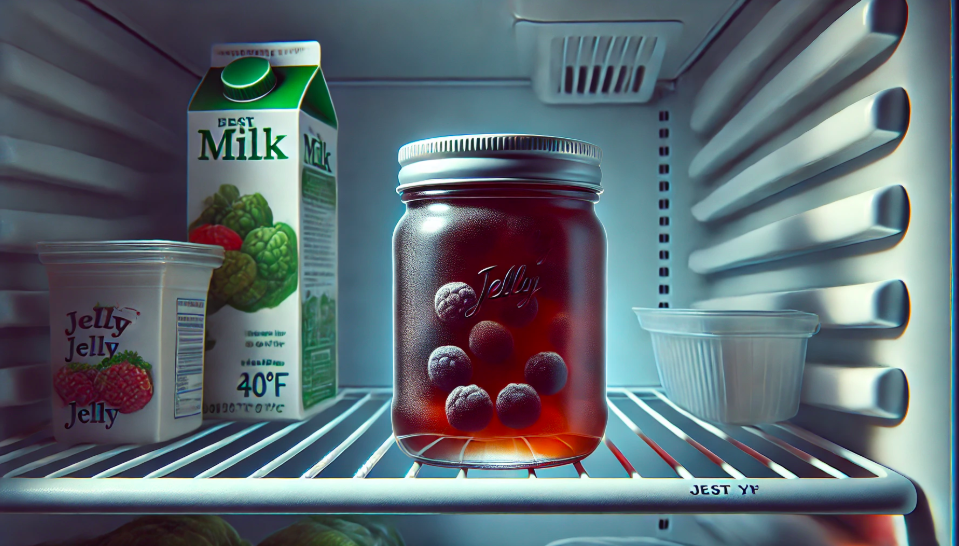
Jelly typically lasts about 1 to 3 weeks in the fridge once opened. The sugar content in jelly acts as a preservative, but exposure to air and moisture can reduce its shelf life. If the jelly is kept sealed and stored properly in the fridge, it can maintain its quality for a longer period. The exact duration depends on the type of jelly and the storage conditions.
How Long Does Homemade Jelly Last In The Fridge?
Homemade jelly generally lasts 2 to 3 weeks in the fridge. Since homemade jelly doesn't contain the same preservatives as store-bought varieties, it tends to spoil faster. To extend its freshness, it should be stored in an airtight container and refrigerated immediately after opening or making it. Homemade jelly should also be used within the time frame to avoid contamination from improper storage.
How Long Does Store-Bought Jelly Last In The Fridge?
Store-bought jelly lasts longer than homemade jelly, typically up to 6 months in the fridge after opening. This is due to the preservatives used in commercial jelly production. However, it is still best to check the expiration date and store it in a sealed jar or container to avoid spoilage. Proper storage can help maintain the flavor and texture of store-bought jelly for a longer time.
Signs That Jelly Has Gone Bad
- Color Change:A shift in color is a sign that the jelly has spoiled.
- Mold Growth:Visible mold on the surface means the jelly is no longer safe to eat.
- Off Smell:A sour or unusual odor indicates spoilage.
- Sour Taste:A sour or off taste suggests the jelly has gone bad.
- Watery or Slimy Texture:Watery consistency or sliminess is a sign of spoilage.
- Liquid Separation or Crust:Any separation of liquid or unusual crust on top indicates the jelly is no longer fresh.
Best Practices For Storing Jelly
- Tightly Sealed Container:Store jelly in a tightly sealed jar or container to prevent exposure to air and moisture.
- Refrigeration:Refrigerate homemade jelly right after it cools to room temperature.
- Store-Bought Jelly:After opening, tightly seal store-bought jelly and refrigerate it.
- Avoid Heat and Sunlight:Keep jelly away from direct heat or sunlight to prevent spoilage.
Can Jelly Be Frozen For Longer Shelf Life?
Yes, jelly can be frozen to extend its shelf life, though freezing can alter its texture slightly. When frozen, jelly can last up to a year. To freeze jelly, place it in an airtight container or freezer-safe bag, leaving space for expansion. Thaw it in the fridge before use, but keep in mind that it may become runnier after being frozen and thawed, which is fine for most uses like spreading on toast or baking.
Factors Affecting Jelly Shelf Life
- Homemade vs. Store-Bought:Homemade jelly tends to spoil faster than store-bought varieties.
- Sugar Content:Jelly with higher sugar content generally lasts longer due to better preservation.
- Temperature Control:Jelly should be stored in a cool environment, ideally in the fridge, to prevent bacterial growth.
- Exposure to Air & Moisture:Jelly exposed to air or moisture can spoil more quickly.
Maximizing Jelly Freshness
To keep jelly fresh for as long as possible, store it in a tightly sealed container and keep it in the fridge. Pay attention to expiration dates for store-bought jelly and consume it within the suggested time frame. Always check for signs of spoilage, such as mold, an off odor, or changes in texture. Freezing jelly is a good option for longer storage, though it may slightly affect the texture. Proper storage and handling are key to preserving the freshness of jelly for extended use.