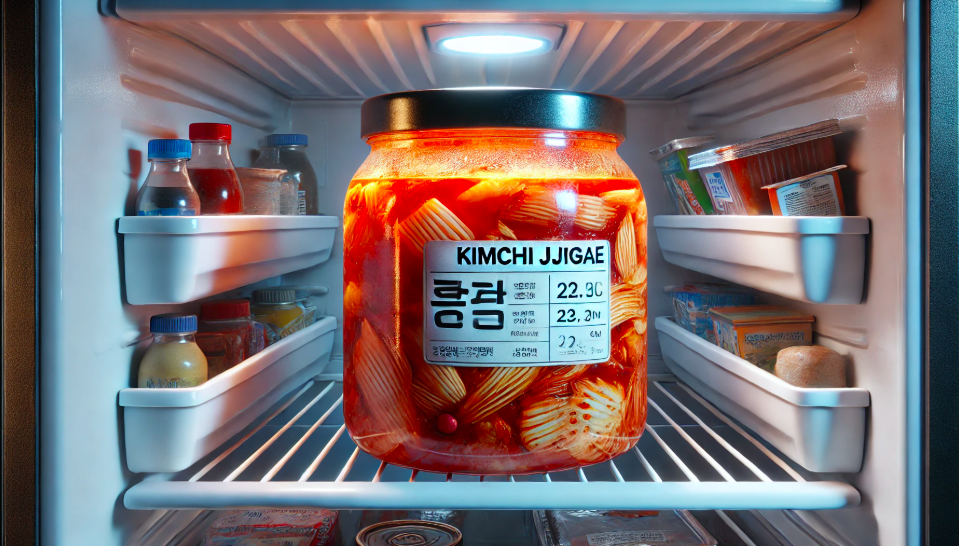
Kimchi jjigae can typically last 3 to 5 days in the fridge when stored properly in an airtight container. The shelf life largely depends on the freshness of the ingredients and how well it is refrigerated. After a few days, the flavors may continue to ferment, making the dish more tangy, but it could also lose its original taste or become less enjoyable if kept too long. It's important to store the stew in the fridge as soon as it cools down to avoid bacterial growth. If you notice any changes in smell, color, or texture, it’s a good indication that the kimchi jjigae has gone bad and should be discarded. To extend its freshness, make sure the container is sealed tightly and avoid letting it sit out at room temperature for extended periods.
Understanding Kimchi Jjigae And Its Ingredients
Kimchi Jjigae (김치찌개) is a traditional Korean stew made with kimchi, which is fermented cabbage or radish, and a variety of other ingredients that bring depth and flavor to the dish. The key ingredient, kimchi, is the star of the stew, providing a tangy and spicy flavor that is central to the dish. In addition to kimchi, the stew often contains tofu, which absorbs the flavors of the broth, giving the dish a smooth texture. Pork, often pork belly, or sometimes beef, is commonly used to add richness and heartiness to the stew. Other ingredients include garlic, onions, and sometimes green onions or mushrooms, all of which contribute to the savory and aromatic broth. Seasonings such as gochujang (Korean chili paste), gochugaru (chili flakes), soy sauce, and sesame oil are added to deepen the flavor. The stew is typically cooked by first sautéing the meat with garlic and onion, then adding kimchi and broth. It simmers for a while to meld the flavors together before tofu and seasonings are added toward the end. Kimchi Jjigae is popular in Korean households because it’s a warm, comforting, and flavorful dish that’s easy to make and pairs well with rice. It is often enjoyed as a hearty meal, particularly in colder weather, and is loved for its balance of spicy, sour, and savory flavors.
Ideal Storage Conditions For Kimchi Jjigae
Kimchi jjigae (kimchi stew) is a popular Korean dish made with fermented kimchi, tofu, vegetables, and meat or seafood. Proper storage is important to maintain its flavor and safety, especially due to the fermented kimchi used in the dish. Here are the ideal storage conditions:
1. Storage After Cooking
- Refrigeration:After cooking, kimchi jjigae should be cooled down to room temperature and then stored in the fridge. This helps prevent spoilage and slows down any further fermentation.
- Container:Store the stew in an airtight container to keep it fresh for longer and to avoid any odor from mixing with other foods in the fridge.
2. How Long Can You Keep It?
- Fridge:Kimchi jjigae can be stored in the fridge for up to 3–4 days. After that, the flavor may change and become too sour due to the continued fermentation of the kimchi.
- Freezing:If you want to store it for a longer time, kimchi jjigae can be frozen. It can last up to 2–3 monthsin the freezer. However, freezing may affect the texture of the tofu and vegetables, so it might not be as fresh as when first made.
Can You Freeze Kimchi Jjigae?
Yes, you can freeze kimchi jjigae(kimchi stew), but there are some important things to know to make sure it tastes good when you thaw and reheat it.
1. Freezing Kimchi Jjigae
Kimchi jjigae can be frozen, but it is best to freeze it without the tofu and vegetables, as they can lose their texture and flavor when frozen. The kimchi and broth freeze well, so it’s recommended to freeze just the soup base first.
2. How To Freeze Kimchi Jjigae
To freeze kimchi jjigae, follow these steps:
- Let the stew cool to room temperature.
- Portion the stew into freezer-safe containers or bags.
- If you want to save space, you can freeze it in flat layers in a freezer bag.
- Seal tightly, making sure to remove as much air as possible to avoid freezer burn.
- Label the container with the date to keep track of when you froze it.
How To Reheat Kimchi Jjigae Without Losing Flavor
To reheat Kimchi Jjigae(Kimchi Stew) without losing flavor, here are some simple, practical steps to follow:
1. Stovetop Method (Best For Maintaining Flavor)
- Step 1: Pour the leftover Kimchi Jjigaeinto a pot.
- Step 2: Heat it on medium-lowheat. Stir occasionally to make sure it heats evenly and doesn’t burn at the bottom.
- Step 3: If the stew looks too thick or dry, you can add a small amount of water or broth to bring it back to the right consistency.
- Step 4: Taste the stew and adjust seasoning if needed by adding a little more gochugaru(Korean chili flakes) or soy sauce.
Why this works: The stovetop method keeps the flavors rich and concentrated because the stew is heated slowly and evenly.
2. Microwave Method (Quick But Risk Of Drying Out)
- Step 1: Transfer your Kimchi Jjigaeto a microwave-safe bowl.
- Step 2: Cover the bowl loosely with a microwave-safe lid or paper towel to trap some steam and keep the stew from drying out.
- Step 3: Microwave on high for 1-2 minutes, then stir and check the temperature.
- Step 4: If needed, microwave for an additional 30 seconds or until it’s hot. Add a splash of water if the stew is too thick.
Why this works: The microwave is the fastest way to reheat, but you should be careful not to overheat, as it can change the texture.
3. Avoid Overheating
- Important: Heating Kimchi Jjigaeat a high temperature for too long can reduce the flavor intensity and may also change the texture of the vegetables and tofu in the stew. It’s best to reheat slowly.
How To Extend The Shelf Life Of Kimchi Jjigae
To extend the shelf life of Kimchi Jjigae (Kimchi Stew), here are some straightforward tips based on common food preservation practices and expert advice:
1. Proper Storage
- Refrigeration: Store your Kimchi Jjigae in an airtight container in the refrigerator. This helps to slow down the fermentation process and prevents it from spoiling too quickly.
- Cool It Down First: Allow the stew to cool to room temperature before refrigerating it. This prevents condensation from forming inside the container, which can lead to spoilage.
2. Use Fresh Ingredients
- The fresher your kimchi and other ingredients (like pork, tofu, or vegetables) are when you cook the stew, the longer the stew will last. Older kimchi can make the stew go sour more quickly, so try to use kimchi that’s not too aged.
3. Avoid Contamination
- Clean Utensils: When serving or scooping out stew, always use clean utensils to prevent bacteria from entering the container, which can shorten the shelf life.
- Don't Leave it Out Too Long: After cooking, don’t leave Kimchi Jjigae out of the fridge for long periods. Bacteria can grow quickly at room temperature, reducing the quality and safety of the dish.
Signs That Kimchi Jjigae Has Gone Bad
Kimchi Jjigae, like any other food, can go bad over time. It's important to recognize signs that the dish is no longer safe to eat. Below are key indicators to watch for:
1. Smell
- Off or sour smell:Kimchi Jjigae is naturally sour due to the fermentation of kimchi, but if it smells overly sour, rotten, or just unpleasant, it may have spoiled.
2. Discoloration
- Color changes:If the soup or kimchi in the dish looks darker or has an unusual color, it could be a sign that it’s no longer fresh.
- Mold:If you see mold growing on the surface or around the edges of the dish, it should be thrown away immediately.
3. Taste
- Unusual or bitter taste:If the dish tastes much more sour or bitter than usual, or has a "stale" flavor, it could be spoiled.
4. Texture
- Soft or mushy texture:Over time, the tofu and vegetables in Kimchi Jjigae can become mushy. While this isn't always a sign of spoilage, if the texture feels off, it might mean the dish has gone bad.
5. Changes In Appearance
- Separation of liquids or ingredients:If the soup looks like the liquid and solids have separated in a strange way, it might indicate the dish has started to break down and isn’t good to eat.