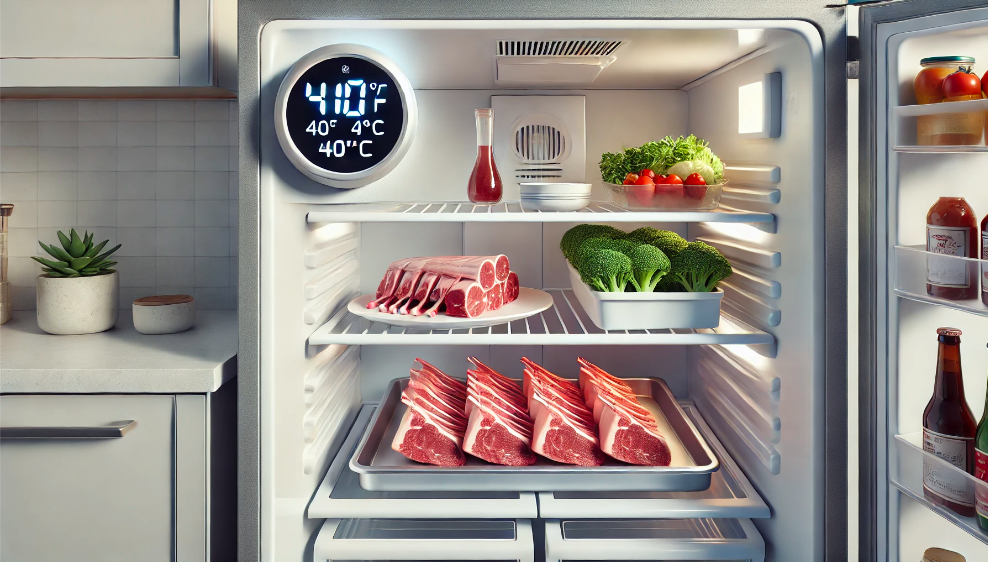
Fresh lamb typically lasts 3 to 5 days in the fridge when stored at a temperature below 40°F (4°C). For cooked lamb, it can remain safe to eat for about 3 to 4 days. These durations depend on proper storage conditions and the initial freshness of the meat.
Understanding The Shelf Life Of Lamb
The shelf life of lamb depends on whether it is fresh, frozen, or cooked. Fresh lamb has a shorter shelf life compared to frozen lamb, which can last several months in the freezer. Fresh lamb needs to be consumed or cooked within a few days to maintain its quality. The storage duration can also vary based on the cut, packaging, and refrigeration conditions.
Factors That Influence Lamb's Freshness In The Fridge
- Packaging: Vacuum-sealed lamb lasts longer than loosely wrapped meat due to reduced oxygen exposure.
- Temperature: Consistent refrigeration at or below 40°F is crucial for freshness. Fluctuating temperatures can shorten its lifespan.
- Moisture: Excess moisture promotes bacterial growth, reducing the storage time.
- Freshness at Purchase: Lamb closer to its sell-by date will not last as long in the fridge.
- Cross-Contamination: Exposure to raw or spoiled food can accelerate spoilage.
Proper Techniques For Storing Lamb
- Use Airtight Packaging: Store lamb in airtight containers or wrap it tightly in plastic wrap or aluminum foil. Vacuum-sealing is ideal.
- Keep in the Coldest Part of the Fridge: Place lamb in the back of the fridge where the temperature is most stable.
- Avoid Overpacking the Fridge: Good air circulation ensures consistent cooling.
- Label and Date: Mark the packaging with the date of storage to track freshness.
- Separate Raw and Cooked Meat: Store raw lamb away from cooked food to avoid contamination.
Identifying Spoiled Lamb: Key Signs
- Unpleasant Odor: Spoiled lamb emits a sour or rotten smell.
- Discoloration: A green, gray, or brown tinge indicates spoilage.
- Slimy Texture: A sticky or slimy surface is a sign of bacterial growth.
- Mold Growth: Visible mold is an indication the lamb should be discarded.
- Change in Firmness: Spoiled lamb may feel mushy or lose its normal firmness.
Does Cooking Lamb Affect Its Fridge Storage Duration?
Yes, cooking lamb extends its fridge life. While raw lamb lasts 3 to 5 days, cooked lamb can stay fresh for 3 to 4 days in the fridge. Proper cooking kills bacteria, reducing the risk of spoilage. However, cooked lamb should also be stored in airtight containers and refrigerated promptly within two hours of cooking to prevent bacterial growth.
Optimal Temperature For Refrigerating Lamb
The ideal temperature for refrigerating lamb is 32°F to 40°F (0°C to 4°C). This range slows bacterial growth without freezing the meat. A fridge thermometer can help maintain consistent temperatures. If the temperature rises above 40°F, spoilage accelerates.
Tips To Maximize Lamb’s Storage Time
- Freeze Excess Lamb: Freeze lamb you cannot use within a few days. Proper freezing can preserve quality for up to 6 to 9 months.
- Check the Fridge Temperature Regularly: Ensure the fridge is functioning efficiently.
- Handle with Clean Hands: Prevent contamination by using clean utensils and hands when handling lamb.
- Store Smaller Portions: Dividing lamb into smaller portions reduces the risk of contamination during use.
- Avoid Washing Before Storage: Washing can introduce moisture, encouraging bacterial growth.
What To Do If Lamb Exceeds Its Storage Limit
- Check for Spoilage Signs: Examine the lamb for odor, color, and texture changes. If any signs are present, discard the meat immediately.
- Do Not Taste: Never taste lamb to determine its freshness, as spoiled meat can cause foodborne illnesses.
- Dispose of Safely: Wrap spoiled lamb securely in a bag and discard it to prevent spreading bacteria.
- Plan Better: To avoid waste, plan meals and freeze lamb if it won’t be used within the recommended storage period.