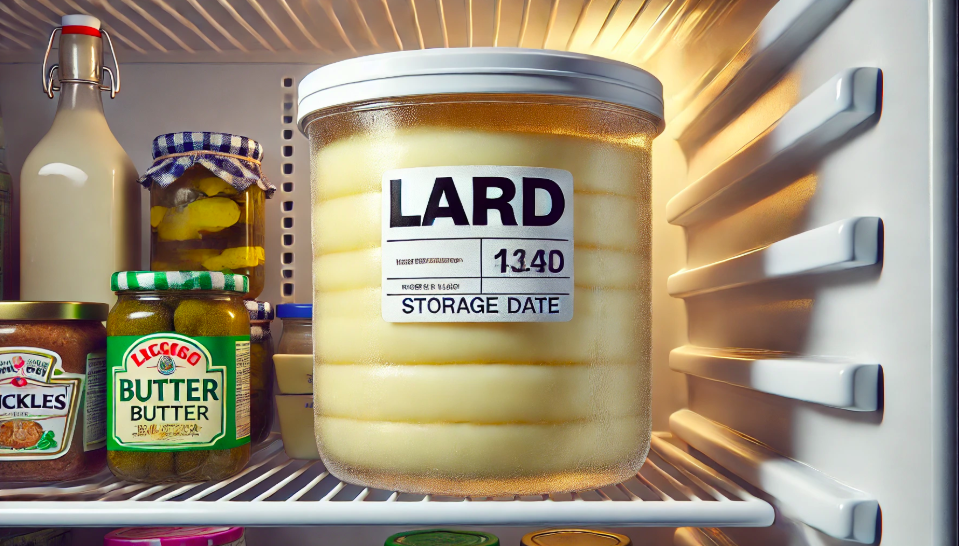
Lard is a type of fat derived from the pig, which is often used in cooking and baking due to its rich, savory flavor and high smoking point. Like many fats, it has a relatively long shelf life if stored properly. When stored in the fridge, lard can last anywhere from 6 months to a year, or even longer depending on the storage conditions. The cool environment of the refrigerator helps slow down oxidation, the process that causes fats to go rancid. However, the exact shelf life of lard can depend on several factors including its type, the way it was processed, and how well it’s sealed from air and moisture.
Factors Affecting the Shelf Life of Lard
- Storage Temperature: The most important factor in determining how long lard lasts is the temperature at which it’s stored. Refrigeration is the best way to store lard for long periods. The cold environment slows down the oxidation process that leads to rancidity. If kept at room temperature, lard will spoil more quickly, typically within a few weeks. Lard can also be stored in the freezer for long-term storage, where it can last for over a year.
- Exposure to Air: Oxidation occurs when fats are exposed to air, and this process is what causes lard to turn rancid. To prevent oxidation, it’s essential to store lard in an airtight container. Make sure to tightly seal the lid of the jar or container you’re using, as exposure to oxygen can drastically shorten its shelf life.
- Light and Heat: Just like air, exposure to light and heat can cause lard to spoil faster. Lard should be stored in a cool, dark place, away from any direct sunlight or heat sources. Heat accelerates the breakdown of fats, while light can also contribute to rancidity, so it’s important to keep lard away from bright kitchen lights or windows.
- Contamination: Any contamination by water, bacteria, or foreign particles can cause lard to spoil quickly. It’s important to handle lard with clean utensils and avoid introducing moisture into the container. Once water or foreign elements are introduced into the lard, it becomes a breeding ground for bacteria, which can cause it to go bad much more rapidly.
Signs That Lard Has Gone Bad
Lard is a stable fat, but it’s still susceptible to spoiling if not stored properly. To determine whether lard has gone bad, look for the following signs:
- Odor: The most obvious sign of spoiled lard is a change in smell. Fresh lard should have a neutral or mildly sweet smell. If it smells sour, rancid, or like old oil, it has likely gone bad. Rancid lard is not safe to use for cooking and should be discarded.
- Color: Lard is typically white or pale in color. If the lard has changed to a yellow, brown, or grayish color, it may have started to spoil. Lard that has become darker in color often indicates oxidation or degradation of its fats.
- Texture: Lard should be smooth and firm, especially when stored in the fridge. If the texture becomes grainy, watery, or if there is noticeable separation in the fat, it may no longer be safe to use. If the lard starts to appear slimy or sticky, it is best to discard it.
Proper Storage Tips for Lard
To extend the shelf life of lard and ensure it remains safe for use, it’s crucial to store it properly. Here are some essential storage tips:
- Use Airtight Containers: Always store lard in an airtight container. This helps to prevent exposure to air, which can cause the fat to oxidize and go rancid. Glass jars or heavy-duty plastic containers with tight-fitting lids are ideal for storing lard. When storing large quantities, consider dividing the lard into smaller containers, as this reduces the amount of air exposure each portion receives when opened.
- Refrigerate Promptly: After using lard, be sure to return it to the fridge as soon as possible. Allowing it to sit out at room temperature for too long can lead to spoilage. Refrigerating lard within an hour of use is best for preserving its quality. If you plan to use lard over a long period, freezing it is an even better option.
- Avoid Contamination: Always use clean utensils when scooping out lard. Using dirty spoons, knives, or hands can introduce bacteria, which can speed up spoilage. Never dip into the lard with something that has already been in contact with food, as this can contaminate the entire batch.
- Keep Away from Light and Heat: Store lard in a cool, dark place, such as the back of the fridge or a cupboard that is not near the stove or other heat sources. Light can also degrade the quality of the lard over time, so storing it in an opaque container is a good idea.
Can You Freeze Lard for Extended Storage?
Yes, lard can be frozen for extended storage. Freezing lard is a great option if you don’t plan to use it within a year or if you’ve bought it in bulk and want to save it for later. When stored in the freezer, lard can remain good for over a year, often up to two years or longer, without significant loss of quality.
To freeze lard, first transfer it to an airtight container or wrap it tightly in plastic wrap or aluminum foil. Make sure the container is sealed well to prevent freezer burn, which can affect the taste and texture of the lard. You can also freeze lard in smaller portions to make it easier to thaw and use as needed. Just remember to label the containers with the date you froze them, so you can keep track of how long they’ve been stored.
The Impact of Expired Lard on Cooking and Health
- Flavor: Spoiled lard can impart a rancid, sour, or bitter taste to your dishes. Using old or rancid lard can negatively affect the flavor of your food, especially in recipes where lard is the primary fat source. The taste will be unpleasant and may ruin the final dish.
- Health Risks: Although eating expired lard is not likely to cause immediate harm or foodborne illness, it can lead to digestive discomfort. Rancid fats contain free radicals that can have a negative impact on your health if consumed in large amounts over time. It’s always best to err on the side of caution and avoid using lard that has gone bad.
How to Tell If Lard Is Safe to Use After Extended Storage
If you’ve stored lard for a long time and are unsure if it’s still good, follow these steps to determine if it’s safe to use:
- Smell Test: First, check for any off or sour odors. If it smells rancid or unpleasant, it’s best to discard it. A neutral or slightly sweet smell indicates that the lard is still good.
- Check for Mold: If you notice any mold growth on the surface of the lard, it’s time to throw it out. Mold is a sign that the fat has been contaminated and is no longer safe to consume.
- Inspect the Color and Texture: Examine the lard for any changes in color or texture. If it has become discolored or has separated into a watery layer, it’s no longer fresh. While slight changes in texture due to freezing may be normal, significant changes are a sign of spoilage.