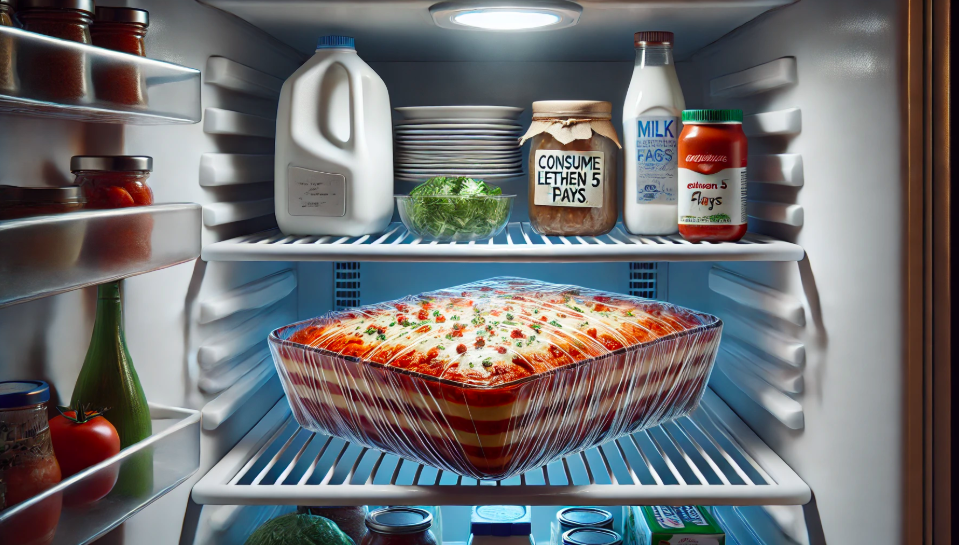
Lasagna typically lasts 3–5 days in the refrigerator when stored properly. The exact time frame depends on factors like the freshness of the ingredients used and whether it was stored promptly after cooking. To maintain its quality, lasagna should be kept at a consistent temperature of 40°F (4°C) or lower in an airtight container or tightly covered with aluminum foil or plastic wrap.
Factors That Affect Lasagna’s Freshness
- Ingredients Used: Lasagna made with fresh, high-quality ingredients tends to last longer. If pre-cooked or canned items are used, their expiry dates also affect the dish's shelf life.
- Temperature Management: Allowing lasagna to sit at room temperature for more than two hours increases the risk of bacterial growth, reducing its freshness.
- Storage Conditions: Proper sealing prevents moisture loss and limits exposure to bacteria. Poorly stored lasagna will spoil faster.
- Type of Cheese: Soft cheeses like ricotta may degrade faster than harder cheeses like Parmesan, impacting the dish’s overall shelf life.
- Type of Meat: Ground beef or sausage can spoil faster than vegetarian alternatives, especially if not cooked thoroughly.
How To Properly Store Lasagna To Maximize Freshness
To maximize lasagna’s freshness:
- Cool Before Storing: Let the dish cool to room temperature (but not longer than two hours) before placing it in the fridge to avoid condensation inside the container.
- Use Airtight Containers: Store lasagna in airtight containers or tightly cover it with aluminum foil or plastic wrap to prevent air exposure.
- Divide Into Portions: For convenience and better storage, divide large portions into smaller ones to cool and reheat more evenly.
- Keep Away From Strong-Smelling Foods: Lasagna can absorb odors from other items in the fridge, so store it away from foods with strong smells.
- Label and Date: Always mark the container with the date to monitor how long it has been stored.
Signs That Lasagna Has Spoiled
- Off Odor: A sour or unpleasant smell indicates bacterial activity.
- Discoloration: If the lasagna develops gray, green, or white spots, this is a sign of mold.
- Slimy Texture: A change in texture, especially a slimy layer on the surface, means it is no longer safe to eat.
- Taste Changes: If there’s a sour or unusual taste, the lasagna has likely gone bad.
- Excess Liquid: Separation of sauces or an excess of liquid in the dish can indicate spoilage.
Can Freezing Extend The Shelf Life Of Lasagna?
Yes, freezing can significantly extend the shelf life of lasagna. When frozen, lasagna can last up to 2–3 months while retaining its quality. Proper freezing methods include:
- Wrapping the dish tightly in aluminum foil or plastic wrap to prevent freezer burn.
- Placing portions in freezer-safe airtight containers or bags.
- Labeling with the date to keep track of storage time. Before freezing, ensure the lasagna is fully cooled to avoid ice crystals that can affect its texture.
Best Practices For Reheating Refrigerated Lasagna
- Preheat Oven: For the best results, reheat lasagna in an oven preheated to 350°F (175°C). Cover the dish with aluminum foil to retain moisture and heat for 20–30 minutes.
- Microwave Method: For quick reheating, use a microwave-safe dish. Heat in one-minute intervals, covering the top to prevent splatter, and stir the layers if possible.
- Stovetop Reheating: Place a portion in a skillet over low heat with a lid to steam the dish, adding a small amount of water if needed to prevent dryness.
- Check Temperature: Always ensure the internal temperature reaches 165°F (74°C) before serving to eliminate any bacteria.
Does Homemade Lasagna Last Longer Than Store-Bought?
Homemade lasagna does not necessarily last longer than store-bought lasagna. The longevity depends on factors like preparation methods, ingredients, and storage conditions. Store-bought lasagna often contains preservatives that can extend its shelf life compared to homemade versions made with fresh ingredients. However, homemade lasagna allows better control over freshness and quality, which may impact how well it stores. Always adhere to proper storage guidelines for both types to ensure safety.