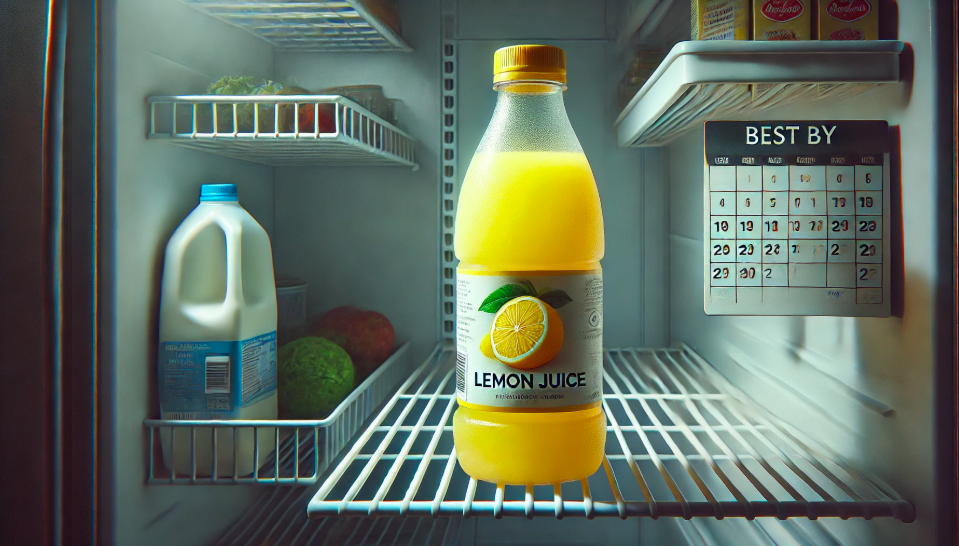
Lemon juice typically lasts around 2 to 3 days when freshly squeezed and stored in the fridge. If it's commercially bottled, it can last much longer, up to 6 months, as long as it is kept in a tightly sealed container. However, the juice will begin to lose its flavor and potency over time. Always check the expiration date on store-bought lemon juice and use it within that timeframe for the best taste and quality.
Freshly Squeezed Lemon Juice: How Long It Stays Fresh
Freshly squeezed lemon juice, if kept in the refrigerator, usually lasts for about 2 to 4 days. It is highly perishable due to its natural acidity and lack of preservatives. The juice can start losing flavor and quality quickly after being exposed to air, so it’s recommended to store it in a sealed container to help preserve its freshness for as long as possible.
Store-Bought Lemon Juice: Expiration And Storage Tips
- Unopened Store-Bought Lemon Juice:Can last up to 6 months in the fridge or at room temperature, depending on the brand.
- Opened Lemon Juice:Best used within 4 to 6 weeks for optimal quality.
- Tightly Sealed Storage:Always store lemon juice in a tightly sealed container.
- Signs of Spoilage:Look for an off smell or discoloration as indicators of spoilage.
Signs That Lemon Juice Has Gone Bad
- Off or Rancid Smell:Unusual sour smells indicate spoilage; fresh lemon juice should smell bright and fresh.
- Cloudy Appearance or Darkening:A cloudy or darker color suggests the juice has gone bad.
- Mold Growth:Mold can form if the juice was stored improperly.
- Off or Bitter Taste:If the juice tastes unusual or bitter, discard it.
Best Ways To Store Lemon Juice For Maximum Freshness
- Airtight Container:Store lemon juice in an airtight container to keep it fresh.
- Glass Containers:Use glass jars or bottles, as they don’t absorb odors or affect flavor.
- Avoid Plastic Containers:Plastic can absorb the juice’s scent over time, affecting its quality.
- Portioning for Storage:If you have a large amount, divide it into smaller containers to reduce air exposure each time it’s opened.
Can You Freeze Lemon Juice?
Yes, you can freeze lemon juice to extend its shelf life. Freezing preserves its flavor and freshness for up to 3 to 4 months. Pour the juice into ice cube trays for easy portioning, or use freezer-safe containers. When you need lemon juice, simply thaw the cubes or the portion you need. However, freezing may slightly alter the texture, but the flavor remains mostly intact.
How To Tell If Lemon Juice Is Still Safe To Use
To check if lemon juice is safe to use, first inspect the color and smell. If it has turned brown or has a strong off-smell, it’s likely spoiled. Also, if you notice any mold or sediment in the juice, it’s time to discard it. If the taste is very bitter or sour beyond the usual tanginess, it's another indicator that the juice has gone bad. In general, if anything seems off, it’s safer not to consume it.
Tips For Extending The Shelf Life Of Lemon Juice
- Airtight Storage:Always store lemon juice in a sealed, airtight container in the fridge.
- Squeeze Fresh:Squeeze lemon juice just before use to ensure maximum freshness.
- Freezing for Long-Term Storage:Freeze excess juice in small portions, like ice cubes, for easy use later.
- Optional Additives:Add a small amount of sugar or salt before freezing to maintain flavor, depending on future use.