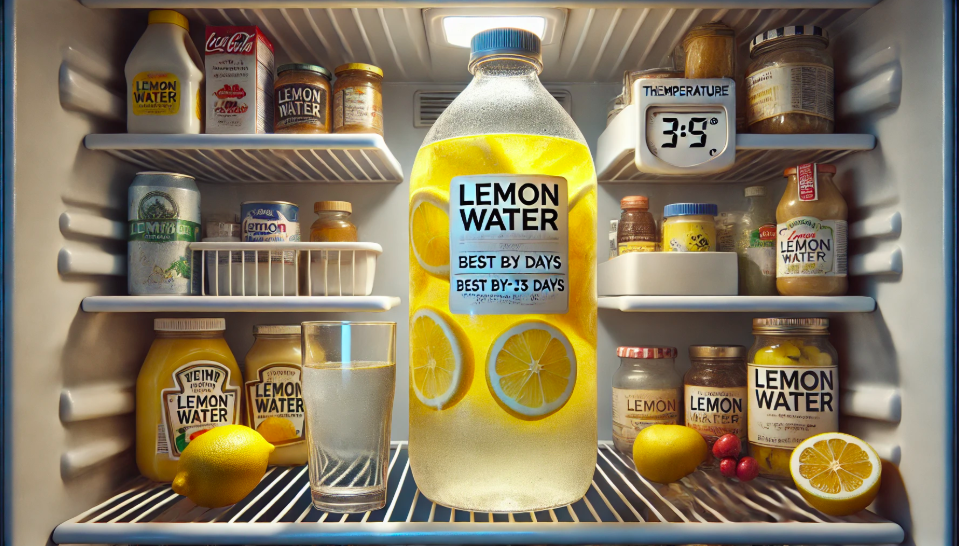
Lemon water stored in the refrigerator remains fresh for up to three days. After this period, the lemon slices may become soggy, and the water's flavor can diminish. To maintain optimal taste and quality, it's advisable to consume refrigerated lemon water within this timeframe.
Factors That Affect The Shelf Life Of Lemon Water
The shelf life of lemon water is influenced by several key factors:
- Storage Temperature:Keeping lemon water in the refrigerator, ideally between 35°F and 38°F (1.6°C to 3.3°C), slows down spoilage. Higher temperatures can lead to faster deterioration.
- Exposure to Air:Using airtight containers minimizes oxidation and contamination, helping maintain freshness.
- Cleanliness:Ensuring that lemons, utensils, and containers are clean reduces the risk of bacterial growth, extending the drink's shelf life.
- Quality of Lemons:Fresh, high-quality lemons contribute to a longer-lasting and better-tasting lemon water.
- Additional Ingredients:Adding sweeteners or other fruits can introduce sugars that may promote bacterial growth, potentially shortening the shelf life.
By considering these factors, you can help ensure that your lemon water remains fresh and safe to drink for a longer period.
Signs That Lemon Water Has Gone Bad
To determine if your lemon water has spoiled, look for the following signs:
1. Off Smell:Fresh lemon water should have a clean, citrus scent. If it emits a sour, fermented, or unpleasant odor, it's likely spoiled.
2. Cloudy Appearance:Clear lemon water is ideal. If it becomes cloudy or develops sediment, this may indicate bacterial growth.
3. Mold Growth:Visible mold, which can appear as white, green, or dark spots, is a clear sign of spoilage.
4. Change in Taste:A bitter or off-taste suggests the lemon water is no longer fresh and should be discarded.
5. Fizzing or Bubbling:Unexpected effervescence can indicate fermentation, signaling that the lemon water has gone bad.
To keep lemon water fresh, store it in a sealed container in the refrigerator and consume it within 24 hours.
Best Practices For Storing Lemon Water In The Fridge
To keep lemon water fresh in the refrigerator, follow these best practices:
- Use a Clean, Airtight Container:Store lemon water in a clean, airtight container to prevent contamination and preserve freshness.
- Refrigerate Promptly:After preparing lemon water, place it in the refrigerator immediately to maintain its quality.
- Consume Within 2-3 Days:For optimal taste and safety, drink the lemon water within 2 to 3 days.
- Avoid Metal Containers: Do not use metal containers, as they can react with the lemon's acidity and alter the flavor.
- Label with Preparation Date:Mark the container with the date you made the lemon water to keep track of its freshness.
Can Adding Ingredients Like Mint Or Ginger Affect Its Shelf Life?
Adding ingredients like mint or ginger to foods can influence their shelf life, primarily due to the moisture content and natural compounds present in these herbs.
Moisture Content:Fresh mint and ginger contain significant moisture, which can introduce additional water into the food product. This added moisture can create an environment conducive to microbial growth, potentially reducing the product's shelf life.
Natural Compounds: Ginger contains compounds such as gingerol, which possess antimicrobial properties. These properties can help inhibit the growth of certain bacteria and fungi, potentially extending the shelf life of the product. However, the effectiveness of these compounds depends on their concentration and the overall composition of the food.
Storage Conditions:The impact of adding mint or ginger also depends on how the final product is stored. Proper refrigeration and airtight packaging can mitigate the risks associated with added moisture and help preserve the product's freshness.
In summary, while mint and ginger can introduce moisture that may reduce shelf life, the antimicrobial properties of ginger might counteract this effect to some extent. The overall impact on shelf life will vary based on the specific product and storage conditions.
How To Properly Prepare Lemon Water For Longer Freshness
To prepare lemon water that stays fresh longer, follow these steps:
- Choose Fresh, Organic Lemons:Select ripe, organic lemons for the best flavor and to avoid pesticides.
- Wash and Slice Lemons Thinly: Rinse the lemons thoroughly and cut them into thin slices to maximize flavor infusion.
- Use Cold, Filtered Water:Fill a pitcher with cold, filtered water to enhance taste and reduce impurities.
- Add Lemon Slices to Water: Place the lemon slices into the pitcher of water.
- Refrigerate for Optimal Freshness:Store the pitcher in the refrigerator to keep the lemon water fresh and prevent bacterial growth.
- Consume Within 24 Hours:For the best flavor and to avoid bitterness from the lemon rind, drink the lemon water within a day.
By following these steps, you can enjoy refreshing lemon water that maintains its taste and quality throughout the day.
What Happens If You Drink Expired Lemon Water?
Drinking expired lemon water can lead to food poisoning due to bacterial contamination. Symptoms may include diarrhea, nausea, vomiting, abdominal pain, fever, chills, and weakness. These symptoms can appear within a few hours to two days after consumption. If you experience severe or persistent symptoms, seek medical attention.
Tips To Make Lemon Water Stay Fresh For A Longer Time
To keep your lemon water fresh for a longer period, consider the following tips:
- Use Clean Containers:Store lemon water in clean, airtight containers to prevent contamination.
- Refrigerate Promptly:After preparing, place the lemon water in the refrigerator immediately to maintain freshness.
- Avoid Metal Containers:Use glass or BPA-free plastic containers, as metal can react with the lemon's acidity, affecting taste.
- Label with Date:Mark the container with the preparation date to monitor its freshness.
- Maintain Proper Temperature:Keep the refrigerator between 35°F and 38°F (1.6°C to 3.3°C) to slow down spoilage.
- Limit Air Exposure:Ensure the container is sealed tightly to prevent oxidation and flavor loss.
- Use Fresh Ingredients:Start with fresh lemons and clean water to enhance the drink's longevity.
- Consume Within 3 Days:For optimal taste and safety, drink the lemon water within three days.