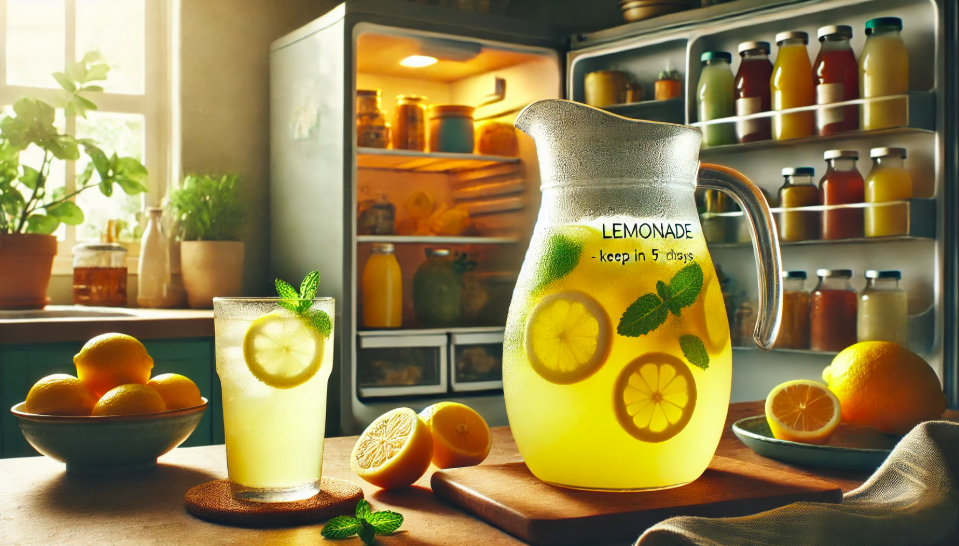
Lemonade typically lasts 7 to 10 days in the fridge when stored properly. This is true for homemade lemonade, as well as store-bought lemonade that hasn't been opened. After this time, the flavor and quality may start to degrade, and it could go sour or even develop mold.
Factors That Affect Lemonade’s Shelf Life
The shelf life of lemonade can be influenced by several factors that affect how long it stays fresh and safe to drink. Below are the key factors that impact lemonade’s shelf life, gathered from reliable sources:
1. Ingredients
The type and freshness of ingredients used in making lemonade play a significant role in its shelf life. Fresh lemons, sugar, and water are the main ingredients, but if you add preservatives, artificial sweeteners, or flavorings, these can affect how long the lemonade stays good.
- Fresh Lemons: Fresh lemon juice is more acidic, which can help preserve the lemonade for a longer time.
- Sugar: The sugar used in lemonade may act as a preservative. However, the amount of sugar can also influence how quickly the lemonade spoils.
- Other Ingredients: Any added ingredients (like mint, spices, or artificial flavoring) may shorten its shelf life if they are not properly stored.
2. Storage Conditions
How lemonade is stored is one of the most important factors in keeping it fresh. Improper storage can cause lemonade to spoil faster.
- Temperature: Lemonade should be stored in the refrigerator at a consistent temperature (around 40°F or 4°C) to slow down bacterial growth and preserve freshness.
- Air Exposure: Oxygen can cause lemonade to degrade more quickly. Using airtight containers can reduce exposure to air, thus extending its shelf life.
- Sunlight: Lemonade should be kept away from direct sunlight, as heat and light can accelerate spoilage.
3. PH Level (Acidity)
Lemonade is naturally acidic due to the citric acid in lemons. The higher the acidity, the longer the lemonade can stay fresh. If the lemonade is diluted with too much water or if the ratio of sugar to lemon juice changes, the pH might shift, potentially shortening its shelf life.
4. Presence Of Bacteria Or Contaminants
Lemonade can spoil faster if it is contaminated with bacteria or pathogens. This can happen if the containers or utensils used to prepare or store the lemonade are not clean. Always use clean hands and tools when preparing lemonade.
5. Preservatives Or Additives
Commercial lemonade often contains preservatives that extend its shelf life. Natural homemade lemonade, however, may not have these preservatives and will likely spoil sooner. Lemonade made with natural ingredients will typically only last a few days, while store-bought lemonade with preservatives can last for weeks.
6. Exposure To Air And Microbial Growth
After opening a container of lemonade, it’s exposed to air, which can lead to microbial growth (such as mold or yeast) if not properly sealed. Once opened, lemonade should be consumed within a few days.
7. Packaging
The type of packaging can also affect how long lemonade stays fresh. Bottled or canned lemonade often has a longer shelf life due to sealed packaging that prevents exposure to air, which helps preserve the flavor and freshness.
Signs Lemonade Has Gone Bad
Here are the common signs that lemonade has gone bad, based on reliable sources:
1. Smell
If the lemonade smells sour or has an off-putting odor, it’s a sign that it has spoiled. Fresh lemonade should have a pleasant, citrusy scent. Any unusual smell is a clear indication it’s time to throw it out.
2. Taste
Lemonade that has gone bad will taste sour or bitter in a way that’s not typical for fresh lemonade. If it tastes strange or overly sour, it may have started to ferment or decay.
3. Appearance
Look for changes in the appearance of the lemonade. If you notice cloudiness, mold, or separation (such as unusual floating particles), the lemonade is likely no longer safe to drink.
4. Texture
If the lemonade feels slimy or has a thick, unusual texture, it may have gone bad. Fresh lemonade should be smooth and watery, not thick or slimy.
5. Color
If the color of your lemonade has changed significantly, it’s a sign that it’s gone bad. Fresh lemonade is typically a pale yellow. If it’s become darker or murky, it’s likely spoiled.
6. Expiration Date
If your lemonade is store-bought and has passed its expiration date, it’s best to discard it. Even if it looks or smells okay, bacteria or mold can grow over time.
7. Bubbles
Lemonade that has started to ferment might develop bubbles, even if it’s not a carbonated drink. If you notice fizzing when you open the bottle or container, it may be fermenting and should not be consumed.
These signs are commonly recognized indicators that lemonade has gone bad, and they can help you decide whether it’s safe to drink or if it’s time to toss it.
Tips For Storing Lemonade To Maximize Freshness
Here are some practical tips for storing lemonade to keep it fresh for as long as possible:
1. Refrigerate Right Away
After making lemonade, store it in the fridge as soon as possible. The cold helps slow down the growth of bacteria and keeps the drink fresh longer.
2. Use A Clean, Air-tight Container
Always store lemonade in a clean, airtight container. This keeps the drink from absorbing odors from other foods in the fridge and prevents it from going bad quickly.
3. Store In Glass Containers
Glass is a better option than plastic because it doesn't absorb odors or stain. It also helps to preserve the flavor of the lemonade.
4. Leave Some Space at the Top
When filling the container, leave a small gap at the top. Liquids can expand when chilled, and leaving room helps prevent spills or leaks.
5. Add Ice Just Before Serving
If you add ice cubes to lemonade before storing it, the ice will melt and water down the drink. It's best to add ice only when you’re ready to serve.
6. Keep The Lemonade Covered
Always cover the container with a lid or plastic wrap. Exposure to air can cause the lemonade to lose flavor and may lead to spoilage.
Can You Freeze Lemonade For Longer Storage?
Yes, you can freeze lemonade for longer storage. Freezing lemonade is a great way to keep it fresh for an extended period, especially if you have a lot left over or want to make a big batch ahead of time. When freezing lemonade, follow these simple steps for the best results:
How To Freeze Lemonade:
- Choose the Right Container: Use an airtight container, a freezer-safe plastic bag, or ice cube trays. The key is to make sure that no air can get in to prevent freezer burn.
- Leave Space for Expansion: Liquids expand when frozen, so leave a little space at the top of the container or bag to allow the lemonade to expand without spilling.
- Consider Freezing in Portions: You can freeze lemonade in smaller portions, such as in ice cube trays, so you can easily thaw just what you need later.
- Label and Date: Make sure to label your container or bag with the date you froze it. Lemonade can stay frozen for up to 3 months for the best taste and texture.
Thawing Frozen Lemonade:
To thaw lemonade, place it in the fridge overnight or leave it on the counter for a few hours. If it was frozen in ice cube trays, you can simply add the cubes directly to a glass and let them melt.
When thawed, the lemonade may have a slightly different texture, but it should still taste fresh. You can stir it before serving to help mix it well.
How To Tell If Lemonade Is Safe To Drink After A Few Days
To determine if lemonade is still safe to drink after a few days, you can check for several signs. Here’s how you can tell if it’s safe:
1. Look For Changes In Appearance
- Cloudiness or Separation: If the lemonade has become cloudy or if the ingredients have separated (like a layer of water on top), it may no longer be safe to drink. This can happen if the lemonade has been sitting for too long.
- Mold: Check for any visible mold or fuzzy spots inside the bottle or on the surface. If you see mold, discard the lemonade immediately.
2. Smell It
Off or Sour Smell: Fresh lemonade usually has a bright, citrusy scent. If the lemonade smells off or sour in a way that’s different from its original tartness, it may have spoiled. A fermented or yeasty odor is a sign it’s no longer safe to drink.
3. Taste A Small Amount
- Sour Taste: If the lemonade tastes unusually sour (beyond the normal tartness of lemons), it may be spoiled. A bad taste or an odd flavor can indicate fermentation or bacterial growth.
- Flat or Strange Flavor: If the lemonade tastes flat or has an odd aftertaste, it could be a sign that the ingredients have broken down, and it’s no longer good.
4. Check The Expiration Date
If you stored the lemonade in a bottle or container with an expiration date, check it. Even homemade lemonade can go bad after a certain amount of time. If the lemonade is a few days past the expiration date, it's better to err on the side of caution and throw it out.
5. Storage Conditions
- Refrigeration: Lemonade should always be kept in the fridge. If it was left out at room temperature for more than two hours, bacteria may have started to grow, making it unsafe to drink.
- Proper Seal: If the container is not sealed tightly, air exposure can cause spoilage. Check that the lid or cap is secure.
6. Bubbles Or Fizz
If you notice any unexpected bubbles or fizz in the lemonade, it could be a sign of fermentation. This can happen if natural sugars in the lemonade have started to ferment into alcohol, making it unsafe to drink.
Homemade Vs. Store-Bought Lemonade: Shelf Life Comparison
When comparing the shelf life of homemade and store-bought lemonade, there are some key differences in how long each can last and how best to store them.
1. Homemade Lemonade
Homemade lemonade is typically made with fresh ingredients like lemon juice, sugar, and water. Since it doesn't contain preservatives, it has a shorter shelf life.
- Shelf Life:
- Signs of Spoilage:
- Storage Tips:
2. Store-Bought Lemonade
Store-bought lemonade, especially if it’s commercially bottled, has added preservatives that help it last longer. These preservatives slow down the growth of bacteria and mold.
3. Key Differences
- Freshness: Homemade lemonade tastes fresher but has a much shorter shelf life compared to store-bought lemonade, which lasts longer due to preservatives.
- Additives: Homemade lemonade has no added chemicals or preservatives, while store-bought lemonade may contain artificial flavorings, colors, or preservatives that help it last longer.
- Storage: Both types need refrigeration after being made or opened, but store-bought lemonade can last longer on the shelf before opening.