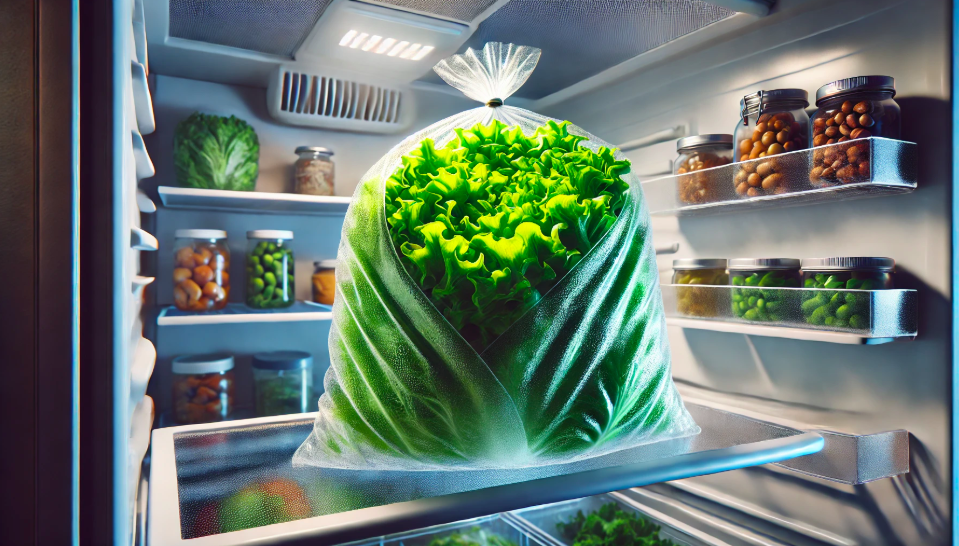
Lettuce typically lasts about 5 to 7 days in the fridge, but the exact shelf life can vary depending on the type and how it's stored. Leafy lettuces like Romaine or Butterhead tend to last a bit longer, while more delicate varieties like Iceberg may begin to wilt faster. Proper storage plays a crucial role in preserving freshness—lettuce should be kept in a crisper drawer, ideally in a perforated plastic bag or wrapped in a paper towel to absorb excess moisture. If stored correctly, lettuce can stay crisp and fresh for up to a week, but over time, it will start to lose its texture, turning limp or developing brown spots. If you notice any signs of spoilage, like a sour odor or slimy leaves, it's best to discard it.
Best Way To Store Lettuce For Maximum Freshness
To keep lettuce fresh for as long as possible, follow these tips based on expert advice:
1. Refrigerate It Quickly
Lettuce should be stored in the fridge right after purchase. It can spoil quickly at room temperature.
2. Use A Container With Ventilation
Lettuce needs air to stay fresh. Store it in a container or a bag that has holes or some way for air to flow. You can also use a salad spinner with a lid for this purpose.
3. Wrap In Paper Towels
Wrap lettuce leaves in paper towels before storing. The towels help absorb moisture, preventing the lettuce from becoming soggy and wilting. Replace the towels if they get too wet.
4. Avoid Washing Before Storing
It’s best to store lettuce dry. If you wash it first, make sure to dry it completely using paper towels or a salad spinner. Excess moisture can make it spoil faster.
5. Store Whole, Not Pre-Cut
Whole lettuce heads stay fresher longer than pre-cut or shredded lettuce. If you have already cut the lettuce, store it in an airtight container lined with paper towels.
6. Keep It In The Crisper Drawer
Store lettuce in the crisper drawer of your fridge, where the temperature is most consistent. Keep it away from fruits like apples or bananas, which release gases that can speed up spoilage.
Can You Freeze Lettuce for Later Use?
Yes, you can freeze lettuce, but it is important to know that freezing lettuce changes its texture. When lettuce is frozen, the water inside the leaves turns into ice. When thawed, the lettuce becomes limp and soggy, making it unsuitable for salads. However, it can still be used in cooked dishes like soups, stews, or casseroles where texture isn't as important.
Here’s how to freeze lettuce properly:
1.Wash and Dry: Wash the lettuce thoroughly to remove any dirt or chemicals. Dry the leaves well using a clean towel or salad spinner. It’s important to get rid of excess moisture to prevent ice crystals from forming.
2.Chop (Optional): If you plan to use the lettuce in smaller pieces, chop it before freezing. If you prefer whole leaves, you can leave them as they are.
3.Blanch (Optional): While not necessary, blanching the lettuce (briefly dipping it in boiling water) helps preserve its color and nutrients. To do this, dip the lettuce leaves in boiling water for about 1-2 minutes, then immediately transfer them to ice water for a minute. Dry them completely afterward.
4.Freeze: Spread the lettuce leaves or chopped pieces in a single layer on a baking sheet. This step helps prevent the leaves from sticking together. Once frozen solid (after 2-3 hours), transfer the leaves to a freezer-safe bag or container.
5.Use in Cooking: Once frozen, use the lettuce directly in cooked recipes. It won't work well in fresh salads because of the texture change, but it’s fine for dishes where texture is less important.
How to Revive Limp Lettuce
To revive limp lettuce and make it fresh again, you can follow a simple method that works well to restore its crispness. Here's how to do it:
1. Cold Water Soak
- Steps:
- Why it works: The cold water helps the leaves absorb moisture, which makes them more crisp.
2. Add Ice Cubes for Extra Crispness
- Steps:
3. Dry the Lettuce
- Steps:
- Why it helps: Drying the lettuce ensures it won’t become soggy and helps it stay crisp for longer.
4. Refrigerate the Lettuce
- Steps:
- Why it works: The cold temperature helps the lettuce firm up and stay crisp.
5. Optional: Trim Wilted Ends
- Steps:
- Why it helps: Removing the limp ends will make the rest of the lettuce look fresher and last longer.
Factors Affecting Lettuce Longevity in the Fridge
Lettuce is a popular vegetable that can stay fresh for a while if stored properly. However, its longevity in the fridge can vary depending on several factors. Here's a breakdown of the most important ones based on reliable sources:
1.Moisture Level
Lettuce contains a lot of water, so it can easily wilt or rot if it's too wet. It’s important to keep it dry. If you wash lettuce before storing it, be sure to dry it thoroughly with paper towels or a salad spinner to remove excess moisture.
2. Packaging
Proper packaging can extend lettuce’s shelf life. It’s best to store it in a perforated plastic bag or container that allows some airflow. If the bag is completely sealed, it traps moisture, causing the lettuce to spoil faster. A loosely tied bag or container works best to maintain freshness.
3. Type Of Lettuce
Different types of lettuce have different shelf lives. For example, iceberg lettuce can last a bit longer than leafy varieties like romaine or butterhead. Generally, the more delicate the leaves, the shorter the storage time.
4. Freshness At Purchase
Lettuce that is already wilting or has spots when bought will not last as long in the fridge. Always choose fresh, crisp leaves with no signs of damage. The fresher the lettuce when you buy it, the longer it will last.
5. Exposure To Air
Exposure to air can cause lettuce to lose its crispness quickly. Try to store it in a closed container, or use a plastic bag with small holes to keep the lettuce from drying out.
6. Ethylene Gas
Some fruits, like apples and bananas, release a gas called ethylene. This gas can speed up the ripening and spoilage of leafy vegetables, including lettuce. Keep lettuce away from ethylene-producing fruits to help it last longer.
Signs That Lettuce Has Gone Bad
Lettuce can spoil quickly, and it’s important to know how to tell when it's gone bad. Here are the common signs that lettuce is no longer fresh, based on trusted food safety guidelines.
1. Wilting Or Limp Leaves
Lettuce should be crisp and firm. If it feels soft or floppy when you touch it, that’s a clear sign it’s starting to go bad. Wilting happens when the lettuce loses moisture and begins to dry out.
2. Yellow Or Brown Spots
Fresh lettuce has vibrant, green leaves. If you see yellow or brown patches, this means it’s deteriorating. These spots are often the result of overripe lettuce or improper storage.
3. Discoloration
If the lettuce is a different color than it should be (for example, turning an off-color green or brown), it’s usually an indication that it’s spoiling.
4. Slimy Texture
When lettuce starts to rot, it can develop a slimy coating. If your lettuce feels slippery or sticky to the touch, it’s no longer safe to eat.
5. Off Smell
Fresh lettuce has a mild, clean smell. If it starts to smell sour, musty, or unpleasant, it's a strong sign that it’s gone bad.