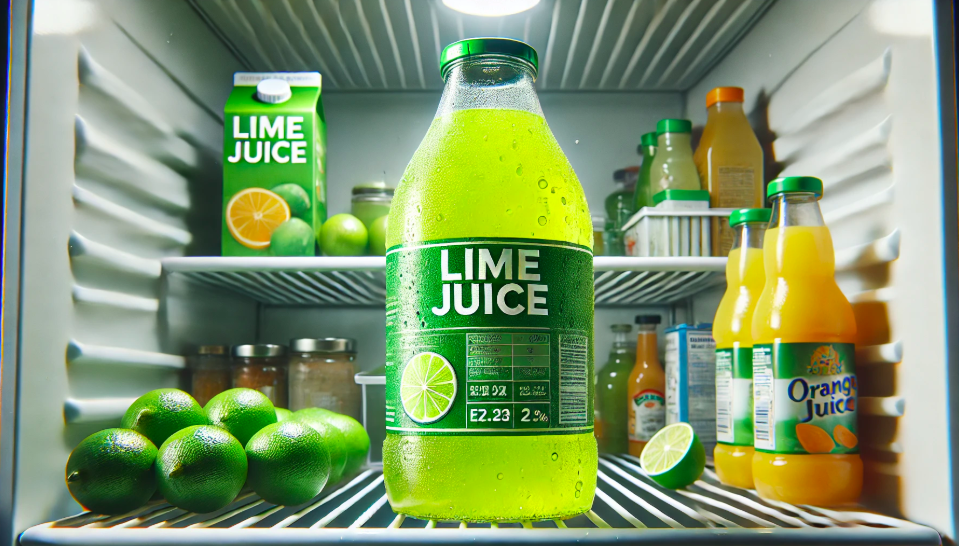
Freshly squeezed lime juice typically remains fresh and at its best quality for about 2 to 3 days when stored in the refrigerator. This duration applies when the juice is kept in an airtight container and promptly refrigerated after juicing. After this period, the juice may start to lose its tangy flavor and vibrant color, which are signs of its freshness.
Commercially bottled lime juice, on the other hand, usually contains preservatives that allow it to last longer, even up to several weeks in the fridge once opened. However, the shelf life varies depending on the brand, preservatives used, and proper storage conditions. Always check the expiration date on store-bought lime juice and ensure it is refrigerated after opening.
Factors Affecting Lime Juice Shelf Life in the Fridge
- Exposure to Air: When lime juice is exposed to air, oxidation occurs. This process not only leads to flavor changes but also accelerates the degradation of the juice, causing it to lose its tangy taste.
- Temperature Stability: The storage temperature plays a critical role. Lime juice should be kept at a consistently cold temperature, ideally between 34°F and 40°F (1°C to 4°C). Fluctuating temperatures can speed up spoilage.
- Contamination: Using utensils or containers that are not clean can introduce bacteria or other contaminants. This increases the risk of spoilage and reduces the juice's shelf life.
- Container Material: Storing lime juice in airtight glass containers helps retain its flavor better than plastic ones. Glass prevents air seepage and does not react with the acidic juice.
How to Properly Store Lime Juice for Maximum Freshness
To ensure lime juice retains its freshness for as long as possible, follow these storage tips:
- Use Airtight Containers: After juicing, transfer the lime juice into an airtight glass container. This minimizes air exposure, which is the primary cause of flavor loss and spoilage.
- Refrigerate Immediately: Prompt refrigeration is essential. Leaving lime juice at room temperature for too long increases the chances of bacterial growth and spoilage.
- Label and Date: If you prepare lime juice in batches, label the container with the preparation date. This helps track its freshness and ensures timely use.
- Avoid Using Unclean Utensils: Always use sanitized tools and containers to prevent introducing bacteria that could accelerate spoilage.
- Keep Away from Strong Odors: Store lime juice away from foods with strong odors, as citrus can absorb these smells, altering its taste.
Signs That Lime Juice Has Gone Bad
It’s important to recognize the signs of spoiled lime juice to avoid consuming it. Here are the common indicators:
- Off Odor: Fresh lime juice has a bright, citrusy aroma. If the juice develops a sour, musty, or fermented smell, it is likely spoiled.
- Color Changes: Fresh lime juice is usually light green or yellowish. If the juice turns brown or develops a murky appearance, it indicates oxidation and potential spoilage.
- Taste Alteration: Spoiled lime juice loses its signature tangy flavor and may taste overly sour or unpleasant.
- Mold Growth: Visible mold on the surface or along the container's edges is a clear sign the juice should be discarded immediately.
- Sedimentation: While slight sedimentation is normal, an excessive buildup or cloudy texture might indicate that the juice has started to go bad.
Can You Freeze Lime Juice to Extend Its Shelf Life?
Yes, freezing lime juice is an excellent way to extend its usability. The freezing process preserves the juice's flavor and nutritional content for an extended period, making it a practical solution for those who juice in bulk.
- How to Freeze Lime Juice: Pour the freshly squeezed juice into ice cube trays. Once frozen, transfer the cubes into an airtight container or resealable freezer bag. This prevents freezer burn and ensures the juice retains its quality.
- Shelf Life in Freezer: Lime juice can stay fresh in the freezer for 3 to 4 months. Although it may remain safe to consume beyond this period, the flavor and quality might start to diminish.
- Thawing Frozen Lime Juice: To use, thaw the frozen cubes in the refrigerator or add them directly to beverages or recipes. Avoid refreezing once thawed, as this affects the flavor and safety of the juice.
Tips to Ensure Lime Juice Stays Fresh Longer
By adopting some simple storage habits, you can maximize the freshness of lime juice:
- Juice in Small Batches: If possible, only juice limes as needed. This reduces the time the juice is stored and minimizes the risk of spoilage.
- Freeze for Future Use: If you have a surplus of lime juice, freezing it in small portions, such as ice cube trays, is a practical way to avoid wastage.
- Use Fresh Limes: The quality of the lime juice depends on the freshness of the limes. Overripe or damaged limes produce juice that spoils faster.
- Sterilize Storage Containers: Use clean, sterilized containers for storage. This reduces the likelihood of bacterial contamination.
- Avoid Temperature Fluctuations: Store lime juice in the coldest part of the refrigerator, away from the door, where temperature fluctuations are common.
- Check Storage Areas: Keep the juice in a spot free from light and away from foods with strong odors, as lime juice can absorb smells.
Health Risks of Consuming Spoiled Lime Juice
Spoiled lime juice is not only unpleasant but can also pose health risks. Consuming it may lead to foodborne illnesses caused by bacteria such as E. coli or Salmonella. Common symptoms include:
- Nausea
- Vomiting
- Diarrhea
- Stomach cramps
These symptoms can range from mild to severe, depending on the individual's sensitivity and the extent of spoilage. To prevent these risks, it’s essential to discard lime juice that shows any signs of spoilage, such as an off smell, discoloration, or mold. Always err on the side of caution when assessing the juice's quality.