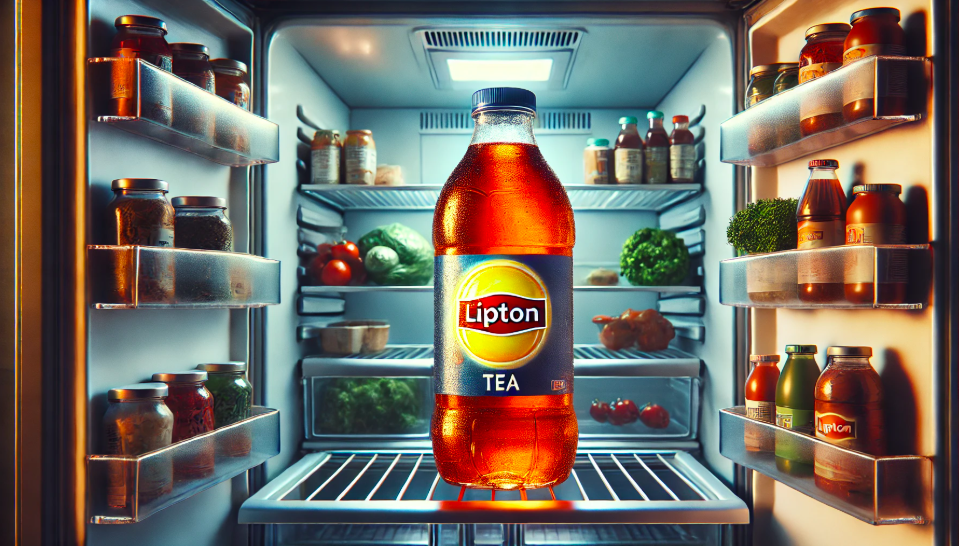
Lipton tea, whether brewed at home or store-bought, can last up to 5–7 days in the fridge if stored properly. To ensure freshness, it should be kept in an airtight container to avoid contamination from other odors and bacteria. The tea should also be refrigerated promptly after brewing, as leaving it at room temperature for extended periods can encourage bacterial growth. Over time, the flavor of Lipton tea may degrade, especially if it contains added sugar or milk, which can spoil faster.
Understanding The Shelf Life Of Lipton Tea In The Fridge
Lipton Tea, like other tea products, has a shelf life that varies depending on whether it’s in its dry form or brewed. Unopened tea bags can last up to 1-2 years if stored in a cool, dry place, away from moisture and light. Once opened, it’s best to consume the tea within 6-12 months for the best flavor. After this period, the taste and aroma might begin to fade. Brewed Lipton tea, on the other hand, can be stored in the fridge for about 3-5 days. If the tea has been sweetened, it’s better to drink it within 3 days as the sugar can cause it to spoil more quickly. Always store brewed tea in a sealed container to maintain its freshness.
How To Properly Store Lipton Tea For Maximum Freshness
To store Lipton Tea properly and keep it fresh, follow these simple tips:
1. Keep It In A Cool, Dry Place
Tea should be stored in a cool, dry spot away from heat sources like stoves, ovens, or direct sunlight. Heat and humidity can cause the tea to lose flavor and freshness faster.
2. Use An Airtight Container
Tea leaves or bags should be kept in an airtight container. This helps protect the tea from moisture, which can make it stale or moldy. You can use a tin, glass jar, or a resealable plastic bag with a good seal.
3. Avoid Strong Smells
Tea can absorb smells from its surroundings, which can affect its taste. Store it away from strong-smelling foods or cleaning products. Make sure the container is sealed tightly to keep out any odors.
4. Keep It Away From Light
Light can cause tea to degrade over time. Store it in a dark place or use a container that blocks light. This will help keep the tea’s color and flavor intact for longer.
5. Do Not Store Near Spices Or Strongly Aromatic Items
Spices, herbs, and other strongly-scented items can affect the flavor of your tea. It’s best to keep Lipton Tea away from these types of products.
Best Practices For Reheating Or Consuming Leftover Lipton Tea
When it comes to reheating or consuming leftover Lipton tea, there are some best practices to ensure you get the best taste and avoid any potential risks. Here are the key tips based on solid sources:
1. Storage
- If you have leftover Lipton tea, make sure to store it properly. The best way is to keep it in an airtight container in the refrigerator. This helps prevent the tea from absorbing any odors and keeps it fresh for up to 24 hours.
- Avoid leaving tea at room temperature for more than 2 hours, as this can cause bacteria to grow, especially if the tea contains milk or sugar.
2. Reheating
- When reheating tea, it’s best to use a microwave or a stovetop, but you should be cautious about not over-heating it.
- For microwave reheating, place the tea in a microwave-safe mug and heat it in short intervals (about 30 seconds). Stir after each interval to ensure even heating.
- On the stovetop, pour the tea into a pot and heat over low to medium heat. Stir frequently to prevent it from burning or becoming bitter.
- Never reboil the tea, as it may cause the flavor to become too strong or develop a bitter taste.
3. Flavor Considerations
- Tea can lose some of its original flavor after it has been reheated. If you notice that the taste isn't as fresh, you can try adding a small amount of honey, lemon, or fresh herbs like mint to enhance the flavor.
- If the tea has become too weak or watery, you can add a fresh tea bag to the cup and steep for a few minutes to regain some of the flavor.
4. Health Considerations
- It’s generally safe to reheat Lipton tea once, but it's not recommended to reheat it multiple times. Repeated reheating can cause a loss of nutrients and affect the taste.
- If the tea contains milk or any dairy products, be cautious about reheating as it can spoil more quickly. Always check the smell and taste before drinking.
The Impact Of Additives On Lipton Tea's Longevity In The Fridge
Lipton Tea, like many other tea brands, often contains additives such as preservatives, flavorings, and sometimes colorings. These additives are included to extend the shelf life and maintain the flavor of the tea over time, especially after it’s brewed and stored in the fridge. Here’s how additives can affect Lipton Tea’s longevity:
1. Preservatives:
Preservatives like sodium benzoate or potassium sorbate are commonly added to bottled teas to prevent the growth of bacteria or mold. They help to keep the tea safe to drink for a longer period. When Lipton Tea with these preservatives is stored in the fridge, it can last for up to a week or even longer without spoiling. Without preservatives, tea may only last a few days.
2. Flavors And Sweeteners:
Flavoring agents, whether natural or artificial, and sweeteners (like high-fructose corn syrup or stevia) are added to enhance the taste and make the tea more appealing. However, these additives can alter the tea’s taste over time. As tea sits in the fridge, it may undergo slight flavor changes, especially if it contains artificial flavors. The sweeteners can also break down, changing the flavor profile and reducing the tea’s freshness. With these additives, Lipton Tea may last longer, but it may lose some of its fresh taste after a few days.
3. Acidity:
The acidity of Lipton Tea (especially in flavored or sweetened versions) can also play a role in its longevity. More acidic drinks, like lemon-flavored tea, tend to resist bacterial growth better, so they might last longer in the fridge. However, over time, the taste might shift, and the tea can become more sour.
4.Tea Type:
The impact of additives also depends on the type of Lipton Tea. Regular black tea might last longer in the fridge compared to herbal teas with fruit flavors or more delicate ingredients. Herbal teas often have a shorter shelf life due to their nature, even with preservatives.
Signs Lipton Tea Has Gone Bad
Lipton tea, like other types of tea, can go bad over time. Here are some signs that Lipton tea may have spoiled, based on trusted sources:
1. Change In Smell
If your Lipton tea bag or loose leaves smell off, sour, or musty, it's a sign the tea may have gone bad. Fresh tea should have a clean, pleasant aroma. If it smells like mold, wet cardboard, or anything unusual, it's time to discard it.
2. Visible Mold Or Discoloration
If you notice mold growing on the tea bag or leaves, it’s no longer safe to use. Mold can develop if the tea has been stored in a damp place or is past its expiration date.
3. Change In Color
Tea that has gone bad might lose its bright color and start to look dull, faded, or even grayish. This usually happens if the tea has been exposed to air for too long.
4. Off Taste
If the tea tastes bitter, stale, or off in any way, it may be spoiled. Tea that’s still good will have a smooth, fresh flavor.