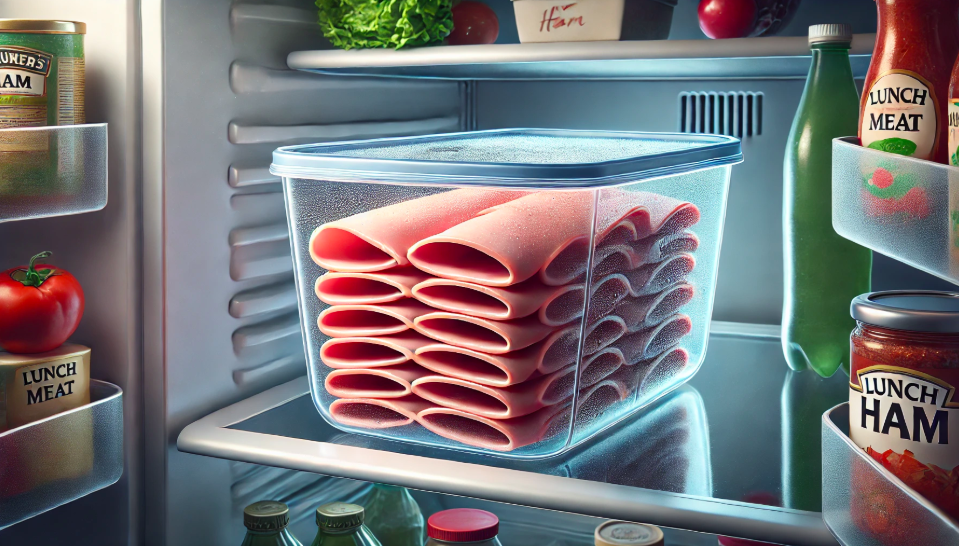
Lunch meat ham typically lasts about 3 to 5 days in the fridge once opened, assuming it's stored properly in an airtight container or tightly wrapped in plastic or aluminum foil. If the ham is still sealed in its original packaging and hasn't been opened, it can last up to 1-2 weeks past the "use by" or "sell by" date. However, for both opened and unopened packages, it's important to check for signs of spoilage like an off smell, slimy texture, or discoloration. If you're unsure whether it's still good, it's always safer to discard it.
How To Store Lunch Meat Ham Properly In The Fridge
To store lunch meat ham properly in the fridge and keep it fresh, follow these steps:
1. Keep It In The Original Packaging (If Possible)
If the ham comes in sealed packaging, keep it in that until you're ready to use it. The packaging helps protect the meat from bacteria and keeps it fresh.
2. Use An Airtight Container Or Wrap It Well
If the packaging is already opened, transfer the ham to an airtight container or tightly wrap it in plastic wrap or aluminum foil. This helps prevent the meat from drying out and keeps it from absorbing other odors in the fridge.
3. Store It In The Coldest Part Of The Fridge
Place the ham on a shelf at the back or bottom of the fridge where the temperature stays the most consistent and cold.
4. Label With The Date
Write the date when you opened or bought the ham on the package. This way, you’ll know how long it's been stored. Most lunch meats should be eaten within 3-5 days after opening.
5. Check For Spoilage
If the ham changes color, develops a slimy texture, or smells bad, discard it immediately. These signs indicate that the meat has spoiled.
Can You Freeze Lunch Meat Ham For Longer Storage?
Yes, you can freeze lunch meat ham for longer storage. Freezing is a great way to keep ham fresh for a longer period, but there are a few important things to know to ensure it stays good and safe to eat.
How To Freeze Lunch Meat Ham
1. Wrap It Well: Before freezing, it’s important to wrap the ham properly. Use plastic wrap, aluminum foil, or freezer bags to keep air out and prevent freezer burn.
2. Portion It: If you have a large amount of ham, it's a good idea to divide it into smaller portions. This way, you can take out only what you need and avoid refreezing.
3. Label and Date: Make sure to label each package with the date it was frozen. This helps you keep track of how long it’s been in the freezer.
Best Practices For Using Leftover Lunch Meat Ham Safely
Here are some best practices for using leftover lunch meat ham safely, based on guidelines from health and food safety experts:
1. Cool Down Quickly
After eating or serving ham, always refrigerate any leftovers within 2 hours. If the temperature is over 90°F (like at a picnic), you need to refrigerate it within 1 hour. This helps stop harmful bacteria from growing.
2. Store Properly
Store the ham in an airtight container or wrap it tightly in plastic wrap or foil. If it’s in a package, make sure it’s sealed properly. Label it with the date you’re putting it in the fridge, so you remember when it was stored.
3. Keep Refrigerated
Leftover ham should be kept in the refrigerator at 40°F (4°C) or lower. This keeps bacteria from multiplying and helps keep the ham safe.
4. Eat Within A Few Days
For the best taste and safety, eat leftover ham within 3-5 days. If you don’t think you’ll use it up by then, freeze it.
5. Reheat Safely
When reheating leftover ham, make sure it’s heated to an internal temperature of at least 165°F (74°C)to kill any bacteria. Use a food thermometer to check.
6. Freezing For Later Use
If you have too much leftover ham, freeze it. Wrap it tightly in plastic wrap and foil, or use a freezer-safe container. Leftover ham can be frozen for up to 1-2 months. Be sure to thaw it in the refrigerator before reheating or eating.
Factors Affecting The Shelf Life Of Lunch Meat Ham
The shelf life of lunch meat ham depends on several factors that affect its freshness, taste, and safety. These factors include:
1.Handling
The way lunch meat ham is handled during preparation and serving is also important. If it’s handled improperly, such as being exposed to dirty utensils or surfaces, it can be contaminated. Keeping everything clean will help ensure that the ham stays fresh for a longer period.
2. Humidity
High humidity can encourage the growth of mold and bacteria on lunch meat. If the refrigerator is too humid, the ham may spoil more quickly. It's best to store ham in a dry, cool place inside the fridge.
3. Added Preservatives
Some lunch meat hams have preservatives added to extend their shelf life. These chemicals can slow down spoilage and keep the meat safe for longer periods, but even with preservatives, the meat will eventually go bad.
4. Type Of Ham
Different types of ham have different shelf lives. For example, cooked ham typically lasts about 3 to 5 days in the fridge, while dry-cured or vacuum-packed ham can last longer. The processing method can affect how long the meat stays fresh.
Signs Lunch Meat Ham Has Gone Bad
Lunch meat ham can go bad over time, and it's important to check for any signs before eating it. Here are some clear signs that ham may have spoiled:
1. Change in SmellIf the ham smells sour, rancid, or off, it’s a clear sign that it has gone bad. Fresh ham usually has a mild, slightly salty scent, but if it starts to have a strong or unusual odor, it's no longer safe to eat.
2. DiscolorationIf the ham changes color, such as turning gray, brown, or developing greenish spots, it has likely spoiled. Fresh lunch meat should have a pinkish-red color. Any major color changes mean the ham is no longer good.
3. Slimy TextureWhen ham becomes slimy to the touch, this is a sign that bacteria may have started growing. The texture should be smooth and slightly moist, but it should not feel slippery or sticky.
4. Off TasteIf the ham tastes sour or strange, it’s a good idea to discard it. Fresh ham should taste salty and slightly savory, but spoiled ham will have an unpleasant or off flavor.
5. Expiration DateAlways check the "use by" or "sell by" date on the package. If the date has passed, the ham may not be safe to eat, even if there are no obvious signs of spoilage.
6. MoldIf you see mold growing on the ham, it’s a clear indication that it has spoiled and should be thrown away.