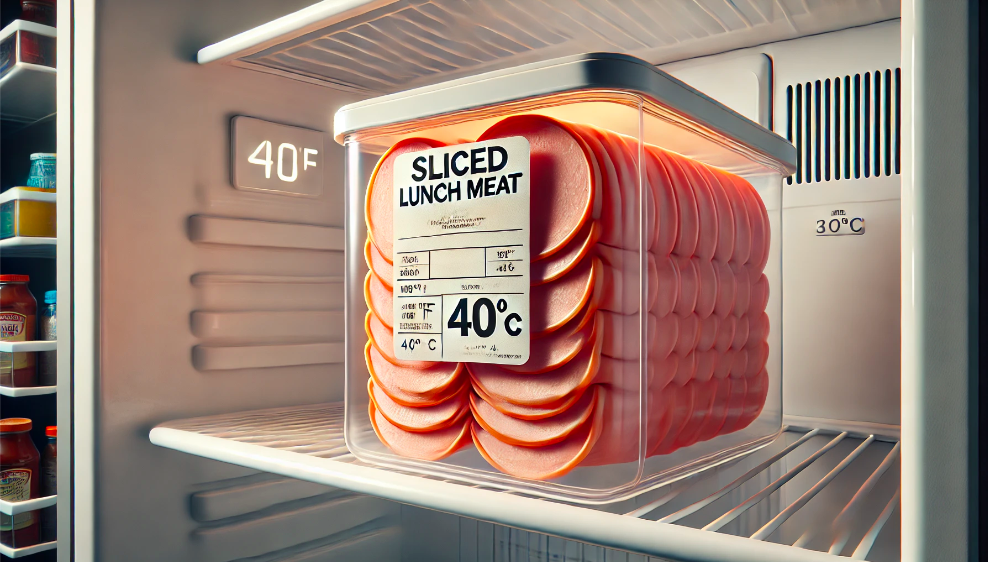
Lunch meat generally lasts between 3 to 5 days in the refrigerator when stored properly. This applies to both pre-packaged and freshly sliced varieties. The exact duration depends on the type of meat and how it's handled after opening. If unopened, most pre-packaged lunch meats can last up to 2 weeks, but always refer to the expiration date on the packaging. Once opened, the meat is exposed to air, which accelerates spoilage.
Shelf Life Of Lunch Meat In The Fridge
Unopened, pre-packaged lunch meats, such as deli ham or turkey, typically have a shelf life of up to 14 days if kept refrigerated at 40°F (4°C) or lower. Once opened, they should be consumed within 3 to 5 days. Freshly sliced lunch meats from a deli counter have a shorter shelf life, usually lasting about 3 to 4 days due to greater exposure to contaminants during slicing and handling. Always check the packaging for specific dates and follow storage guidelines.
Factors That Affect Lunch Meat Freshness
- Temperature: Lunch meat must be stored at or below 40°F (4°C). Temperatures above this range encourage bacterial growth.
- Type of Meat: Processed lunch meats with preservatives last longer than natural or organic options.
- Exposure to Air: Once the package is opened, exposure to oxygen accelerates spoilage.
- Hygiene During Handling: Using clean utensils and minimizing hand contact helps prevent contamination.
- Moisture Levels: Excess moisture can lead to mold or bacterial growth.
Proper Storage Techniques For Lunch Meat
- Refrigerate Immediately: Store lunch meat in the fridge as soon as possible after purchase.
- Airtight Containers: If the original packaging is damaged, transfer the meat to an airtight container or wrap it tightly in plastic wrap to minimize air exposure.
- Keep It Cold: Place lunch meat in the coldest section of the refrigerator, typically near the back.
- Separation from Raw Meat: Avoid cross-contamination by storing lunch meat away from raw meats or other foods with strong odors.
- Label and Date: Clearly label the container with the date of opening to track freshness.
Signs That Lunch Meat Has Gone Bad
- Unpleasant Odor: A sour, sulfur-like, or rotten smell is a clear indicator of spoilage.
- Slimy Texture: A slippery or sticky surface suggests bacterial growth.
- Color Changes: Discoloration, such as a greenish or grayish tint, is a sign of decomposition.
- Mold Growth: Any visible mold, even in small spots, means the meat should be discarded.
- Taste: If consumed and the taste is off or sour, it is likely spoiled. Avoid tasting if any of the above signs are present.
Can You Extend Lunch Meat Freshness By Freezing?
Yes, lunch meat can be frozen to extend its shelf life. Pre-packaged and deli-sliced meats freeze well for up to 1 to 2 months without significant loss of quality. To freeze lunch meat:
- Portion Properly: Separate into meal-sized portions to avoid thawing the entire batch at once.
- Wrap Tightly: Use freezer bags or airtight containers to prevent freezer burn.
- Label and Date: Mark the freezing date to monitor usage. Thaw frozen lunch meat in the refrigerator and consume it within 1 to 2 days for the best quality.
Safety Guidelines For Storing And Consuming Lunch Meat
- Temperature Control: Always refrigerate lunch meat at 40°F (4°C) or below. Avoid leaving it out for more than 2 hours at room temperature.
- Observe Expiration Dates: Do not consume lunch meat past the printed expiration or use-by date.
- Handle with Care: Use clean hands and utensils when handling lunch meat to prevent contamination.
- Store Properly: Keep lunch meat in airtight packaging or containers to maintain freshness.
- Discard if in Doubt: If you’re unsure about the freshness of lunch meat, it’s safer to discard it than to risk foodborne illness.