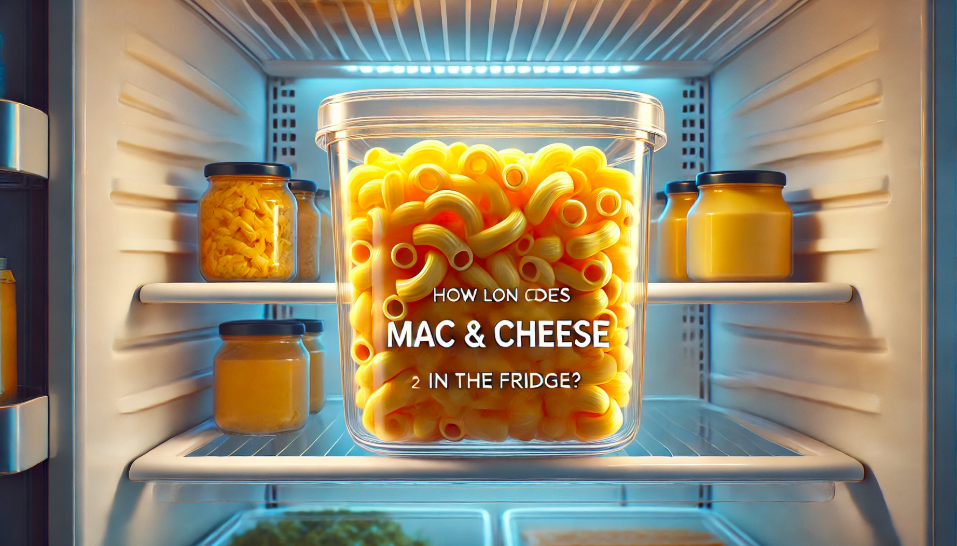
Mac and cheese typically lasts 3 to 5 days in the refrigerator when stored properly. This applies to both homemade and store-bought versions that have been cooked. The timeline can vary slightly based on the ingredients used, storage conditions, and the temperature of the fridge (ideally kept at 40°F or below).
How To Properly Store Mac And Cheese In The Fridge
To keep mac and cheese fresh, store it in an airtight container to prevent it from absorbing odors or moisture from the fridge. Allow it to cool completely before refrigerating to avoid condensation, which can cause bacterial growth. Always label the container with the storage date to track freshness. Place it on a shelf rather than the fridge door, where temperatures tend to fluctuate more.
How Long Does Homemade Mac And Cheese Stay Fresh?
Homemade mac and cheese typically stays fresh for 3 to 4 days in the fridge. It contains fresh dairy, cheese, and sometimes cream, which are more perishable. If it includes additional toppings like breadcrumbs or meat, its shelf life may be slightly shorter due to faster spoilage of these ingredients.
How Long Does Packaged Mac And Cheese Last After Opening?
Once cooked, packaged mac and cheese (like those from boxed mixes) lasts about 3 to 5 days in the fridge. If you only opened the package but haven’t cooked it, the uncooked dry mix can last for months, provided it is kept in a cool, dry place and the inner packet remains sealed. However, after cooking, its perishability increases, similar to homemade versions.
What Affects The Shelf Life Of Refrigerated Mac And Cheese?
Several factors can influence how long mac and cheese remains safe to eat in the fridge:
- Ingredients: Fresh dairy products, cream, and meat can reduce shelf life due to their high perishability.
- Storage Conditions: Leaving it at room temperature for too long before refrigerating can promote bacterial growth.
- Moisture Content: A high water content in sauces may accelerate spoilage.
- Temperature: Inconsistent fridge temperatures can shorten its shelf life.
- Hygiene: Using clean utensils and containers reduces contamination risks.
Clear Signs Your Mac And Cheese Has Spoiled
To determine if mac and cheese has gone bad, look for these clear signs:
- Odor: A sour or unpleasant smell indicates spoilage.
- Texture: Slimy or sticky textures suggest bacterial growth.
- Appearance: Mold spots, discoloration, or separation of the cheese sauce are strong indicators.
- Taste: A tangy or off-flavor signals that it’s no longer safe to eat. If any of these signs are present, discard it immediately to avoid foodborne illness.
Expert Tips For Maximizing Mac And Cheese Freshness
- Store in Small Portions: Dividing mac and cheese into smaller containers helps it cool faster and minimizes contamination.
- Use Airtight Containers: Prevent air exposure to keep it fresher for longer.
- Cool Before Storing: Allow the dish to cool to room temperature before refrigeration.
- Freeze for Longer Storage: If you’re not planning to eat it within a few days, freeze it in freezer-safe bags or containers to extend its shelf life up to 2 months.
- Avoid Repeated Reheating: Only reheat the portion you plan to consume to reduce spoilage risk.
- Set Fridge Temperature: Ensure your fridge is set to 40°F (4°C) or below to slow bacterial growth.