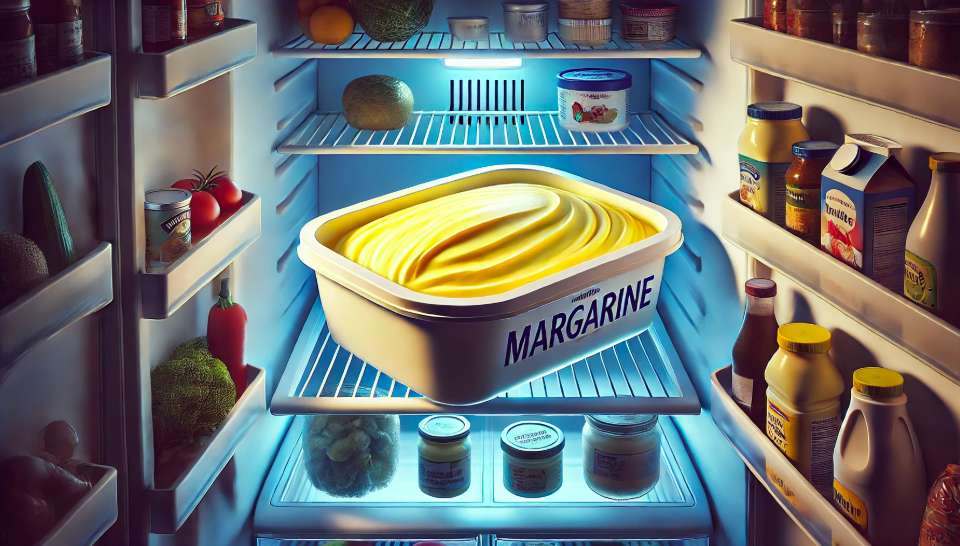
Margarine can last up to 3 to 4 months in the fridge if stored properly. After opening, it’s best to keep it in an airtight container to maintain its quality. The fridge helps slow down the spoilage process by keeping the margarine cool and safe from bacteria.
Unopened margarine can last until the "best by" date on the packaging, which is typically about 6 to 9 months from the production date. If you notice any off smell, mold, or changes in color or texture, it’s a sign that the margarine has gone bad and should be discarded.
Factors That Affect Margarine’s Longevity
1. Storage Conditions
Margarine lasts longer when stored in cool, dry places. Keeping it in the refrigerator helps prevent it from spoiling quickly. Warm temperatures can cause margarine to go bad faster because heat can break down the fats in margarine.
2. Exposure to Air
When margarine is exposed to air, it can begin to oxidize. This process can cause it to lose its flavor and go rancid. Storing margarine in a tightly sealed container helps keep air out and extend its shelf life.
3. Packaging
The type of packaging margarine comes in plays a role in its longevity. Margarine in airtight, sealed packaging lasts longer because it is less exposed to light and air. Repackaging margarine into other containers can reduce its freshness.
4. Salt Content
Margarine with higher salt content can last longer because salt acts as a preservative. Margarine that’s unsalted tends to spoil faster compared to salted versions because it lacks this preservative effect.
5. Additives and Preservatives
Margarine that contains preservatives or additives may last longer than those without. These ingredients help slow down the processes that cause margarine to spoil or go rancid, such as oxidation and bacterial growth.
6. Storage Time
Even under ideal conditions, margarine does not last indefinitely. Most margarine has a best-by or use-by date. Keeping it past that date, even if it looks and smells fine, can increase the risk of spoilage or a decrease in quality.
7. Fat Type
Margarine made with different types of fats can affect how long it stays fresh. Margarine made with unsaturated fats, like vegetable oils, tends to go rancid more quickly compared to margarine made with more stable fats, such as those found in some animal-based products.
How to Tell If Margarine Has Gone Bad
1. Check the Expiration Date
The first thing to check is the expiration date on the packaging. If it has passed, the margarine may not be safe to use, but it's still worth checking for other signs of spoilage.
2. Look for Changes in Color
Fresh margarine is usually light yellow, but over time it can start to darken. If the color has changed significantly or there are dark spots, it might be spoiled.
3. Smell It
Fresh margarine has a mild, neutral scent. If the margarine smells sour, rancid, or off in any way, it's a clear sign it has gone bad.
4. Examine the Texture
Margarine should be smooth and spreadable. If it has become lumpy, watery, or separated into layers, it may no longer be good.
5. Taste a Small Amount
If you're still unsure, taste a tiny bit of the margarine. If it tastes bitter or sour, it has likely gone bad.
6. Look for Mold
If there is any visible mold on the surface, you should discard the margarine immediately.
7. Check for an Off Taste
Even if the margarine looks fine, it could have an unpleasant, off taste if it’s gone rancid. If it tastes strange or different from what you expect, it’s time to throw it away.
8. Storage Issues
Margarine should be stored in a cool, dry place, and it can be kept in the fridge for longer shelf life. If it was left out for too long, especially in warm conditions, it may spoil faster.
Proper Storage Tips for Keeping Margarine Fresh
To keep margarine fresh for as long as possible, it's important to store it properly. Here are some easy-to-follow tips based on solid recommendations:
1. Store in the Refrigerator
Margarine should be kept in the fridge at all times, even if it's unopened. The cool temperature helps prevent it from spoiling. If you leave it out at room temperature, it can spoil faster due to bacteria growth and melting.
2. Keep It Covered
Once you open the margarine, make sure to close the container tightly after each use. This helps keep out air and moisture, which can cause the margarine to dry out or become contaminated.
3. Use the Original Container
It's best to keep margarine in its original container. This packaging is designed to protect it from light and air, which helps maintain its freshness.
4. Avoid Storing Near Strong Odors
Margarine can absorb strong smells from other foods, so try to store it away from foods like onions, garlic, or fish. Keeping margarine in a sealed container helps reduce the chance of it taking on unwanted flavors.
5. Check Expiration Date
Always check the expiration date on the margarine package. While margarine typically lasts for a few weeks to a couple of months in the fridge, using it before the expiration date ensures the best taste and quality.
6. Freeze for Longer Storage
If you won’t use your margarine in a few weeks, you can freeze it. Wrap it tightly in plastic wrap or put it in an airtight container before freezing. Thaw it in the fridge when you need it. While freezing can change the texture slightly, the margarine will still be safe to eat.
Can Margarine Be Used After Its Expiry Date?
Margarine can sometimes still be safe to use after its expiration date, but its quality may decline. The expiration date on margarine is usually a "best by" date, not a "use by" date, meaning it’s more about the best quality rather than safety.
Key Points:
- Storage: If margarine has been kept in a cool, dry place and tightly sealed, it can last longer than the date on the package. Refrigerating margarine can also help extend its shelf life.
- Signs of Spoilage: If the margarine has an off smell, changes in color, or mold, it’s best to throw it away. If it tastes rancid or sour, it should not be consumed.
- Texture Changes: Margarine may become harder or separate over time, but this doesn’t always mean it’s unsafe. However, if it has visible signs of spoilage, it should not be used.
- Use by Date vs. Expiry Date: The "best by" or "use by" date is the manufacturer’s suggestion for when the product is at its best quality. It doesn't mean the margarine is unsafe immediately after that date, but it could lose flavor or texture.
Freezing Margarine: Is It an Option for Longer Storage?
Margarine can be frozen to extend its shelf life, and this is a practical option if you have a large quantity or want to store it for longer periods. Freezing margarine helps preserve its quality and prevent it from spoiling.
Can You Freeze Margarine?
Yes, you can freeze margarine. Freezing margarine is a good way to extend its shelf life. However, there are a few things to keep in mind when freezing it:
How to Freeze Margarine:
- Wrap it properly: If the margarine is in a tub, transfer it to an airtight container or wrap it tightly in plastic wrap and then foil. This helps prevent freezer burn.
- Portion it: If you don’t need a large amount, consider dividing the margarine into smaller portions. This will make it easier to thaw only what you need.
- Label and date: Make sure to write the date on the package so you know how long it has been frozen.
Thawing Margarine:
To thaw margarine, simply move it from the freezer to the fridge and let it thaw slowly. It may also thaw at room temperature but doing so in the fridge helps preserve its texture and taste.
Texture Changes:
Freezing margarine may change its texture slightly. When thawed, it can become a bit softer or grainy, but it’s still safe to use in most recipes like baking or spreading.
How Long Can You Freeze Margarine?
Margarine can be frozen for up to 6 months. After that, it may lose flavor or texture, but it will still be safe to use.
In summary, margarine can be frozen successfully as long as it’s stored properly and used within a reasonable time.
Yes, you can freeze margarine. Freezing it will not harm the product, and it can remain safe to eat for months after freezing. However, there are some things to keep in mind to maintain its quality.
How to Freeze Margarine
- Packaging: If your margarine is in a large container, it's best to transfer it to smaller portions. This will make it easier to use later and avoid thawing the entire block each time you need some.
- Wrap It Well: Use airtight containers or heavy-duty freezer bags to wrap the margarine tightly. This will protect it from freezer burn and preserve its texture and flavor.
- Label and Date: Always label your margarine with the date you froze it. This way, you can keep track of how long it’s been in the freezer.
How Long Can You Freeze Margarine?
Frozen margarine can last up to 6 months in the freezer without losing too much quality. It’s best to use it within that time frame for the best taste and texture.
Thawing Margarine
When you’re ready to use frozen margarine, move it to the fridge to thaw slowly. This helps it regain its original consistency. Thawing at room temperature might cause it to separate or become too soft, making it less ideal for certain uses.
Does Freezing Affect the Quality?
Freezing margarine can slightly change its texture. It might become a bit more crumbly or oily once thawed. This change doesn’t make it unsafe to eat but might affect its performance in certain recipes, especially where texture is important. For example, frozen margarine might not be the best choice for baking delicate pastries, but it's fine for spreading on bread or mixing into recipes like soups and casseroles.
What Happens If You Leave Margarine Out of the Fridge?
If you leave margarine out of the fridge, it can still be safe to eat for a short period, but there are a few things to consider:
- Short-term safety: Margarine, like butter, is mostly fat, which means it doesn't spoil quickly at room temperature. For most types of margarine, it can stay out for about a week or so without going bad.
- Quality change: Over time, if margarine is left out, it can lose its texture and become softer. This may affect its spreadability and overall texture. It could also become greasy.
- Taste and smell: If left too long outside the fridge, margarine can start to smell or taste rancid. This happens because fats in margarine can oxidize when exposed to air, heat, and light.
- Preservatives: Many margarine brands include preservatives to help keep it fresh even when left out. However, margarine that has no preservatives or is made with natural ingredients might go bad faster.
- Bacterial growth: Since margarine is a dairy product, leaving it out for extended periods (especially in hot environments) could lead to bacterial growth, which can make it unsafe to eat.