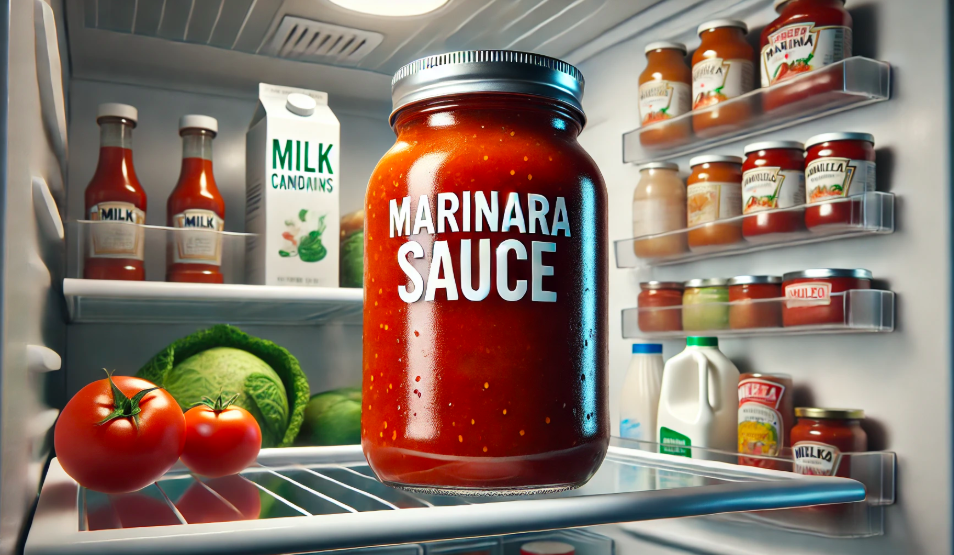
Once opened, marinara sauce typically lasts 5 to 7 days in the fridge if stored properly in an airtight container. This applies to both store-bought and homemade marinara sauces, although homemade versions may spoil slightly faster due to the absence of preservatives. To maintain freshness, always refrigerate the sauce promptly after use and avoid leaving it at room temperature for extended periods. Be sure to check for signs of spoilage, such as an off smell, mold, or a change in texture or color, before consuming. If you need to keep it longer, consider freezing the sauce, which can extend its shelf life for up to three months.
Understanding Marinara Sauce Shelf Life
Marinara sauce, a popular tomato-based condiment, has varying shelf lives depending on whether it's homemade or store-bought and how it's stored.
Unopened Store-Bought Marinara Sauce: An unopened jar of store-bought marinara sauce can last up to one year when stored in a cool, dark pantry.
Opened Store-Bought Marinara Sauce: Once opened, store-bought marinara sauce should be refrigerated and is best consumed within 7 to 14 days.
Homemade Marinara Sauce: Homemade marinara sauce, lacking preservatives, has a shorter shelf life. When stored in the refrigerator, it can last about 3 to 5 days.
Proper Storage Techniques for Marinara Sauce
Proper storage of marinara sauce is essential to maintain its freshness and prevent spoilage. Here's how to store it correctly:
Freezing:
- Preparation: Allow the sauce to cool completely. Pour it into freezer-safe containers, leaving some space at the top for expansion. Label the containers with the date.
- Storage Duration: Frozen marinara sauce can last up to 3 months.
General Tips:
- Avoid Room Temperature Storage: Do not leave marinara sauce at room temperature for more than 2 hours, as this can lead to bacterial growth.
Safe Practices For Using Leftover Marinara Sauce
To safely use leftover marinara sauce, follow these guidelines:
Storage:
- Refrigeration: Place the sauce in an airtight container and store it in the refrigerator. It should remain fresh for up to 5 days.
- Freezing: For longer storage, transfer the sauce to a freezer-safe container or zip-top bag, leaving some room for expansion. Frozen marinara sauce can last up to 3 months.
Reheating:
- Stovetop Method: Pour the sauce into a saucepan and heat over medium heat, stirring occasionally to prevent sticking. If the sauce has thickened, add a little water or broth to reach your desired consistency.
- Microwave Method: Place the sauce in a microwave-safe container, cover it loosely, and heat in short intervals, stirring in between, until it's heated through.
Safety Tips:
- Avoid Leaving Out: Do not leave marinara sauce at room temperature for more than 2 hours, as bacteria can grow rapidly.
- Check Before Use: Before reheating, inspect the sauce for any signs of spoilage, such as mold, off-odors, or discoloration. If any are present, discard the sauce.
Tips For Freezing Marinara Sauce For Longer Storage
Freezing marinara sauce is an excellent way to preserve its flavor and extend its shelf life. To ensure the best quality upon thawing, follow these straightforward steps:
- Cool the Sauce Completely: After cooking, allow the marinara sauce to cool to room temperature. This prevents ice crystals from forming, which can affect the texture and taste.
- Choose Appropriate Containers: Use airtight containers or heavy-duty freezer bags to store the sauce. These options help prevent freezer burn and maintain the sauce's quality.
- Portion the Sauce: Divide the sauce into portions that suit your typical meal sizes. This makes it easier to thaw only the amount you need, reducing waste.
- Leave Space for Expansion: When filling containers, leave about an inch of space at the top. This allows the sauce to expand as it freezes without causing the container to crack or leak.
Signs Your Marinara Sauce Has Gone Bad
Marinara sauce can spoil over time. To ensure it's safe to eat, look for these signs:
1. Mold: If you see any fuzzy spots or growth on the sauce, it's spoiled and should be thrown away.
2. Unpleasant Smell: A sour or bad odor indicates the sauce has gone bad.
3. Color Changes: If the sauce has darkened or changed color, it may no longer be safe to eat.
4. Texture Changes: If the sauce has become slimy, lumpy, or separated, it's a sign of spoilage.
5. Sour Taste: If the sauce tastes sour or off, it's best to discard it.
Factors Affecting The Freshness Of Opened Marinara Sauce
The freshness of opened marinara sauce depends on several key factors:
- Storage Temperature: Keeping the sauce in the refrigerator at or below 40°F (4°C) slows down the growth of harmful bacteria, helping the sauce stay fresh longer.
- Container Seal: Storing the sauce in an airtight container reduces exposure to air and moisture, which can cause spoilage.
- Cross-Contamination: Using clean utensils when handling the sauce prevents the introduction of bacteria or mold, which can lead to spoilage.
- Exposure to Light and Heat: Keeping the sauce away from direct sunlight and heat sources helps maintain its quality and prevents degradation.
- Ingredients Used: The presence of preservatives and the natural acidity of tomatoes can influence how long the sauce stays fresh.